



Downtown AreaHistoric SitesSightseeingTemples & Shrines(Historic Sites)Temples & Shrines(Sightseeing)
Myojo-ji Temple
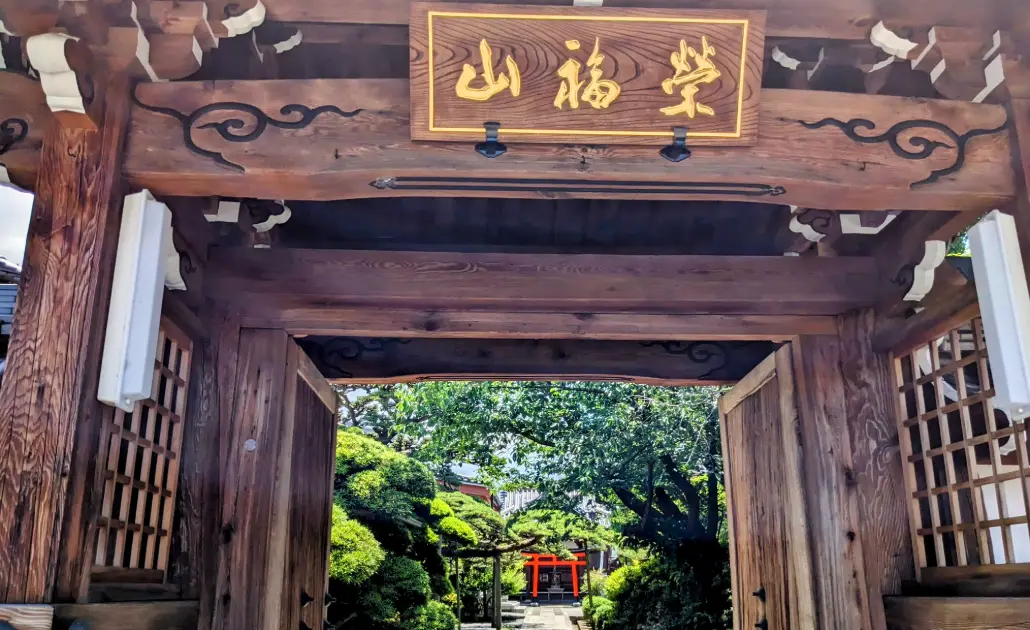
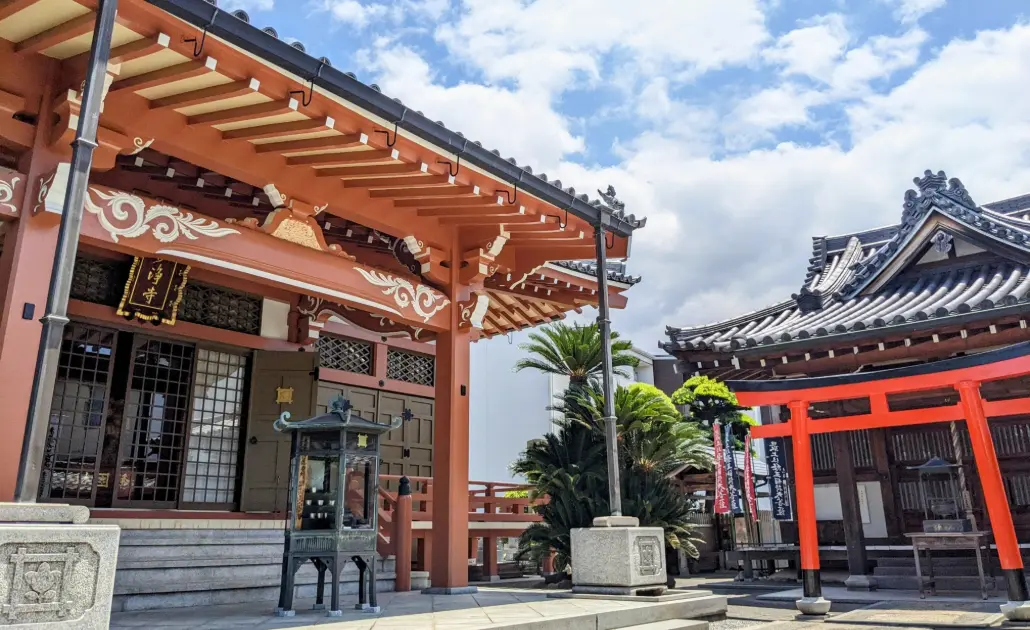
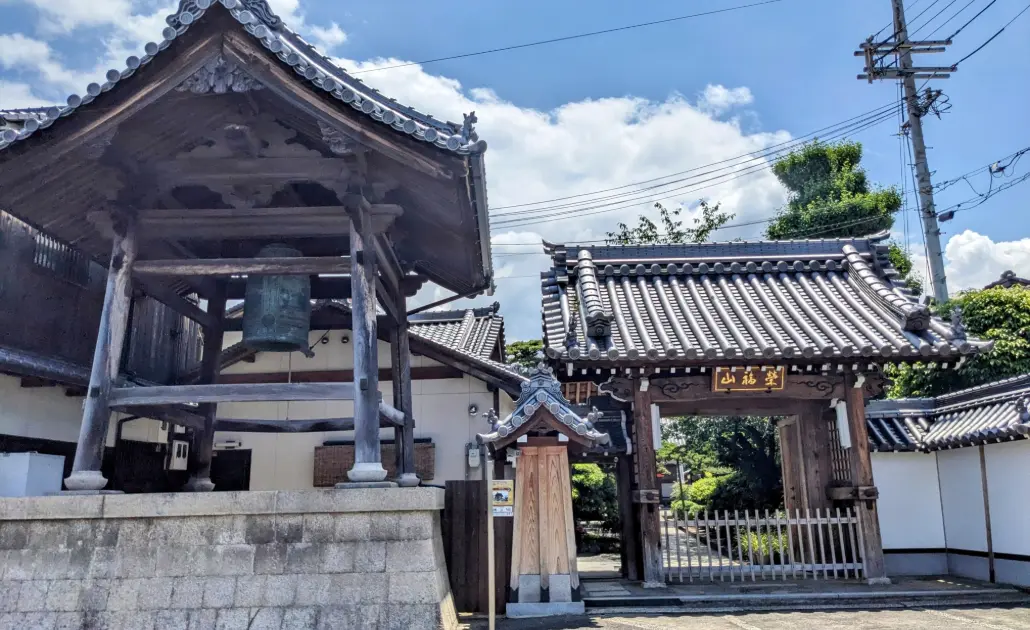
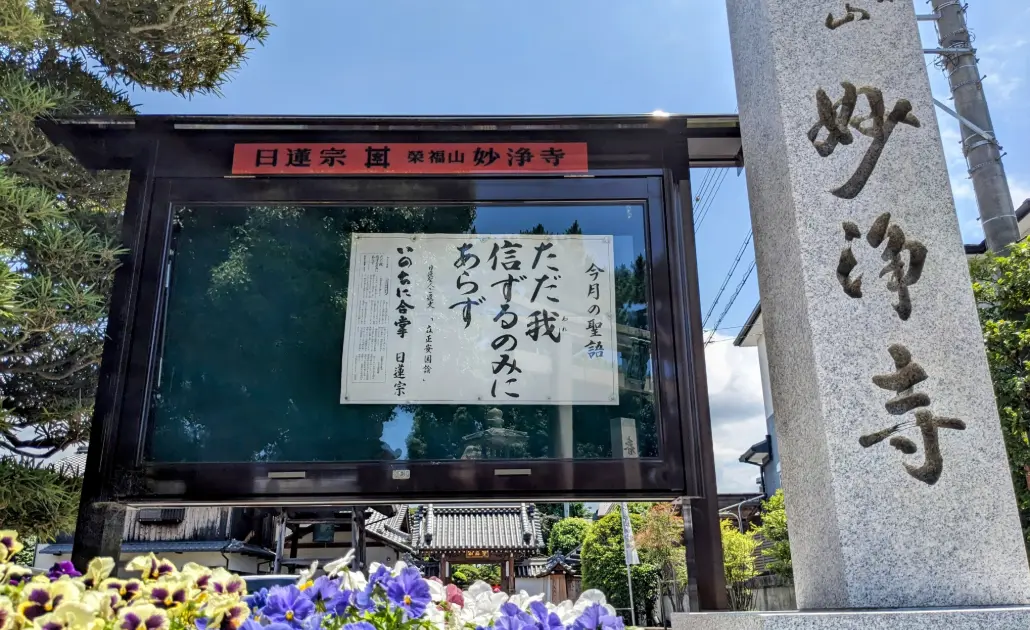
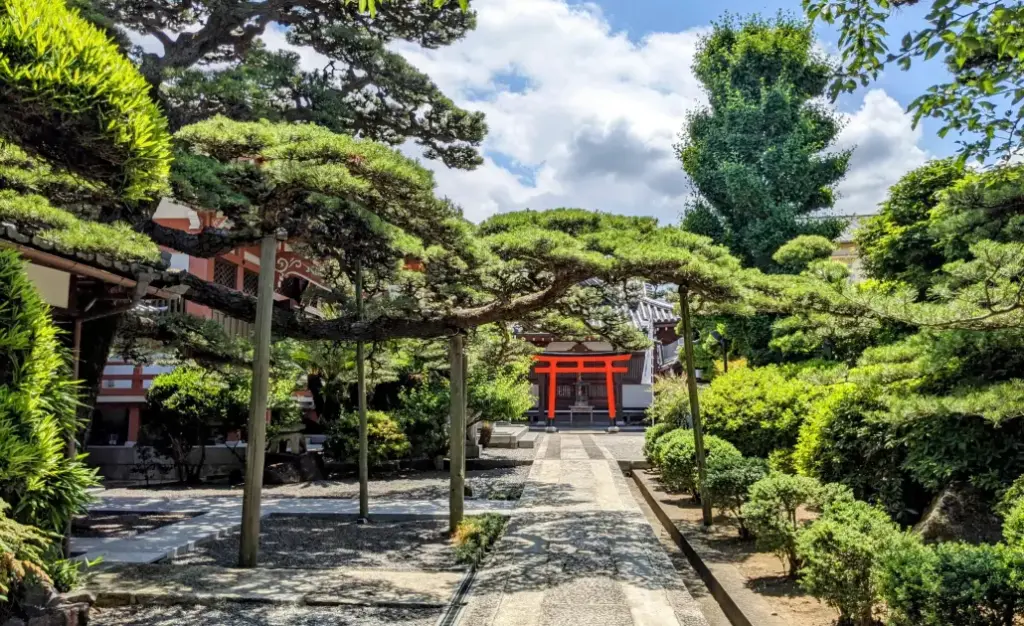
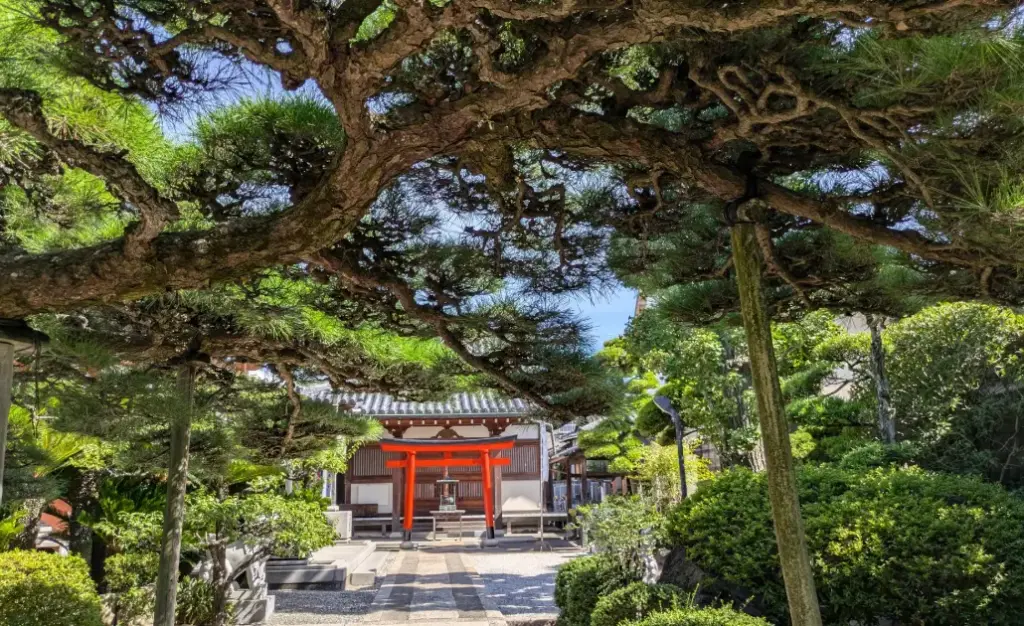
A vivid vermilion torii gate framed by lush greenery — a rare expression of Shinbutsu-Shūgō — the centuries-old coexistence and blending of Shinto and Buddhism in Japan, visually represented here by a Shinto torii gate standing within a Buddhist temple.
Sect: Nichiren Buddhism (日蓮宗)
Just a 7-minute walk from Izumisano Station — and only 10 minutes from Kansai Airport by train — the temple is an ideal stop for travelers before or after their flight.
Locals affectionately call it “Sano no Saijō-san,” reflecting its long-held place in the community.
As you step through the temple gate, a striking scene unfolds: lush greenery framing a vivid vermilion torii.
Seeing a torii inside a Buddhist temple is a rare expression of Shinbutsu-Shūgō, Japan’s historical blending of Shinto and Buddhism — a unique cultural landscape that fascinates many visitors.
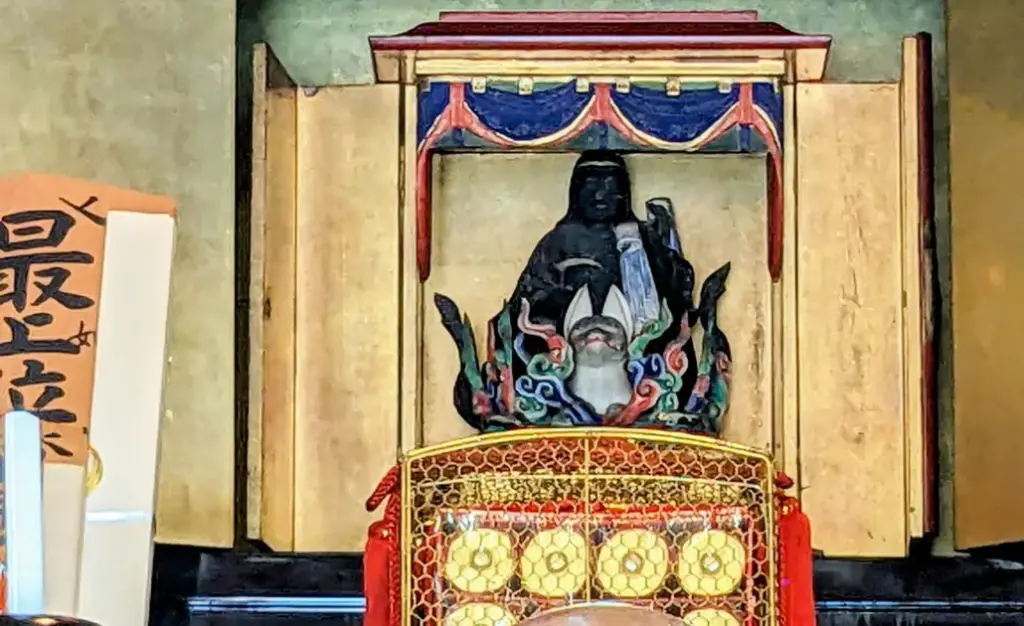
Beyond the gate stands Saijōi Kyōō Inari Daibosatsu, a sacred figure comparable to the Inari deity found at Shinto shrines, yet worshipped here as a Buddhist guardian deity.
This unusual setting offers a glimpse into the depth and harmony of Japan’s spiritual traditions.
📌 Basic Information
📍 Myojo-ji Temple
📍 榮福山 妙浄寺
| 📅 Reservation | Interior visits of the main hall are available by advance reservation |
| 📞 Phone | 072-462-2954(Japanese Only) |
| 🏠 Address | Omiya-cho 11-15, Izumisano City, Osaka Prefecture |
| 🚉 Access | About a 7-minute walk (approx. 500m) from Nankai Izumisano Station |
| 🚗 Parking | Available (approx. 20 spaces) |
| 🕒 Visiting Hours | 8:00 AM – 5:00 PM |
| 💴 Admission Fee | Free (visitors are welcome to stroll around the temple grounds and take photos) ※ Don’t forget your offering |
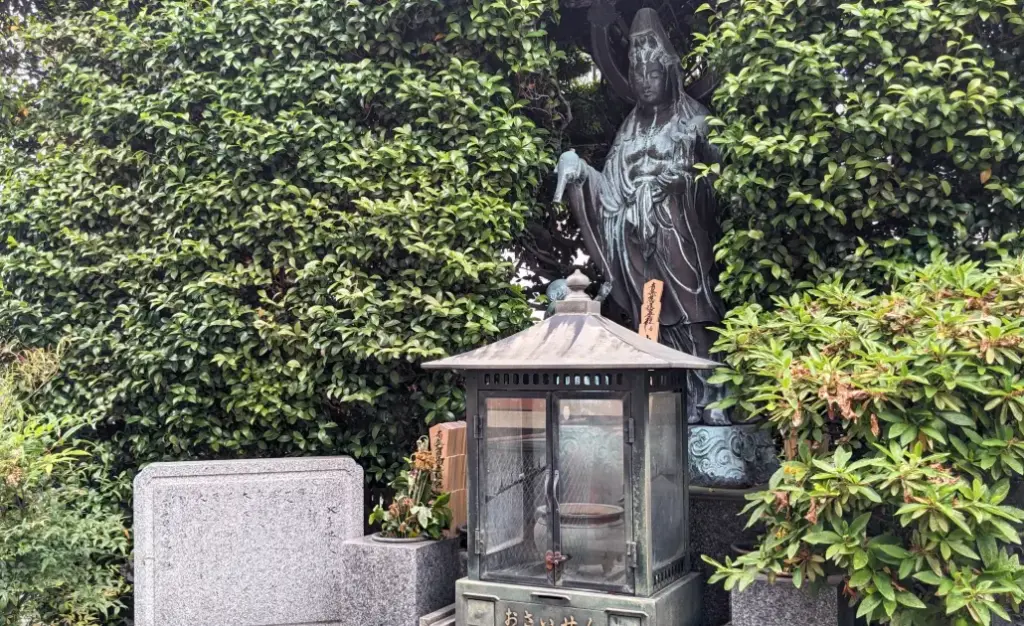
| 🙏 Main Blessings | 🧘♀️ 1. Protection from Misfortune & Good Fortune It is believed that the merit of chanting the Lotus Sutra in the main hall helps ward off misfortune and invite good fortune, offering spiritual clarity and peace of mind. 🕊️ 2. Peace, Safety, and Community Well-being Enshrined in the guardian hall, Saijōi Kyōō Inari Daibosatsu is revered as a Buddhist guardian deity who brings peace and protection to families, the local community, and even the nation. Many visitors come to pray for harmony and safety in their daily lives. 👶 3. Fertility, Safe Childbirth & Children’s Healthy Growth Inspired by the cherished legend of Tsubonisshin Shōnin, the temple is widely known as a sacred place to pray for fertility, safe childbirth, and the healthy growth of children. It is especially popular among women and families. 🧡 4. Memorial & Memorial services for lost infants (Mizuko-kuyō) The temple is a trusted place for memorial services, including perpetual ancestor memorials, Mizuko offerings, yearly Buddhist rites, and bone enshrinement. A serene statue of Mizuko Kannon stands within the peaceful grounds, offering visitors a quiet place for prayer, remembrance, and emotional healing. 🌈 5. Fulfillment of Personal Wishes By chanting “Namu Myōhō Renge Kyō”, worshippers believe that their heartfelt wishes can be fulfilled through the compassionate protection of the Buddha. Many visitors come seeking spiritual guidance, hope, and meaningful personal blessings. |
| 💳Payment Methods | Cash (Japanese yen) |
🔗 Official Website:https://myojyoji.com/
🌐 Social Media:

ℹ️ Detailed Information
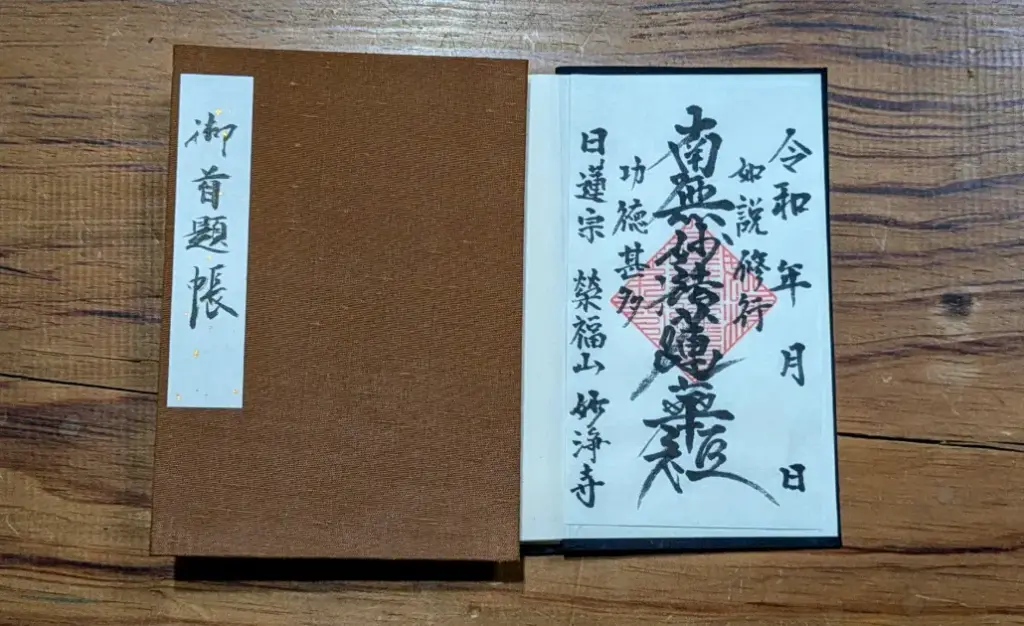
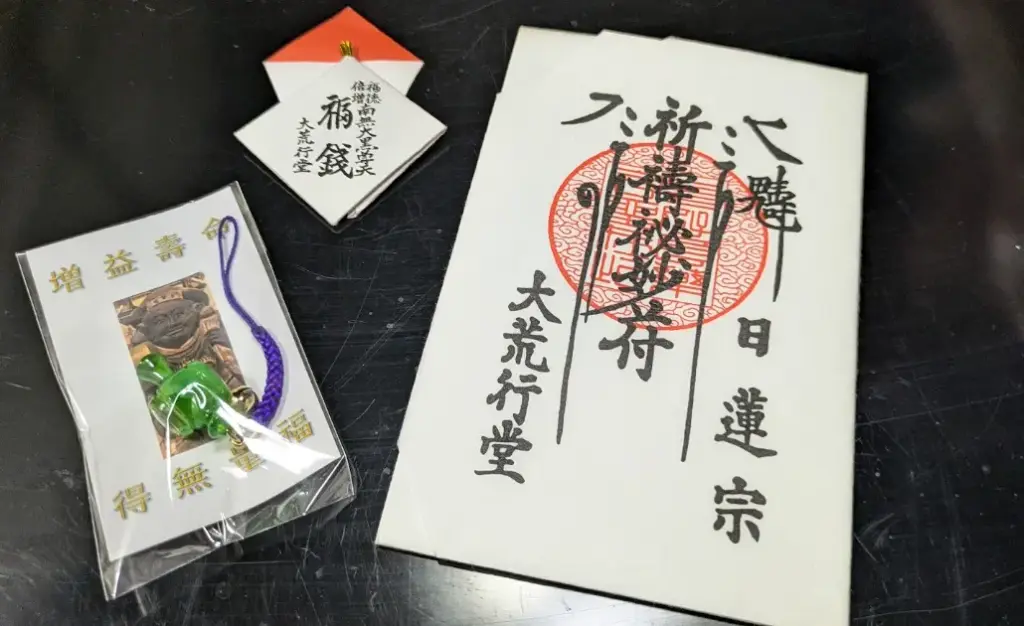
Within the temple grounds, visitors can receive Goshuin—traditional temple seal stamps offered here in pre-written paper form. These make popular keepsakes for travelers. The temple also provides a selection of lucky charms, such as Zōyaku Jumyō (for longevity and well-being) and Fukusen (for good fortune and prosperity), each carrying its own symbolic meaning.
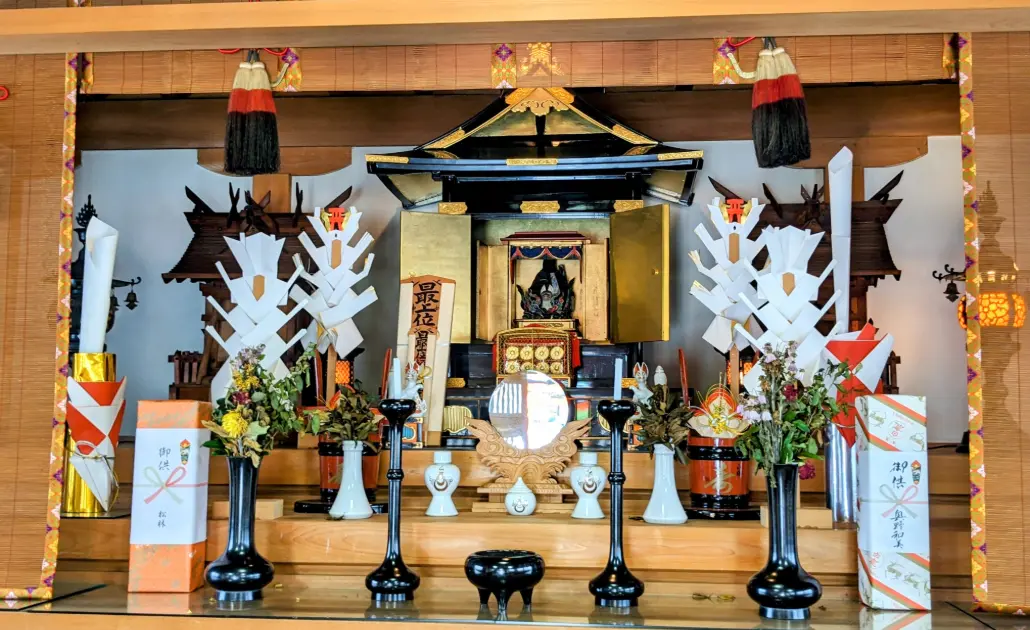
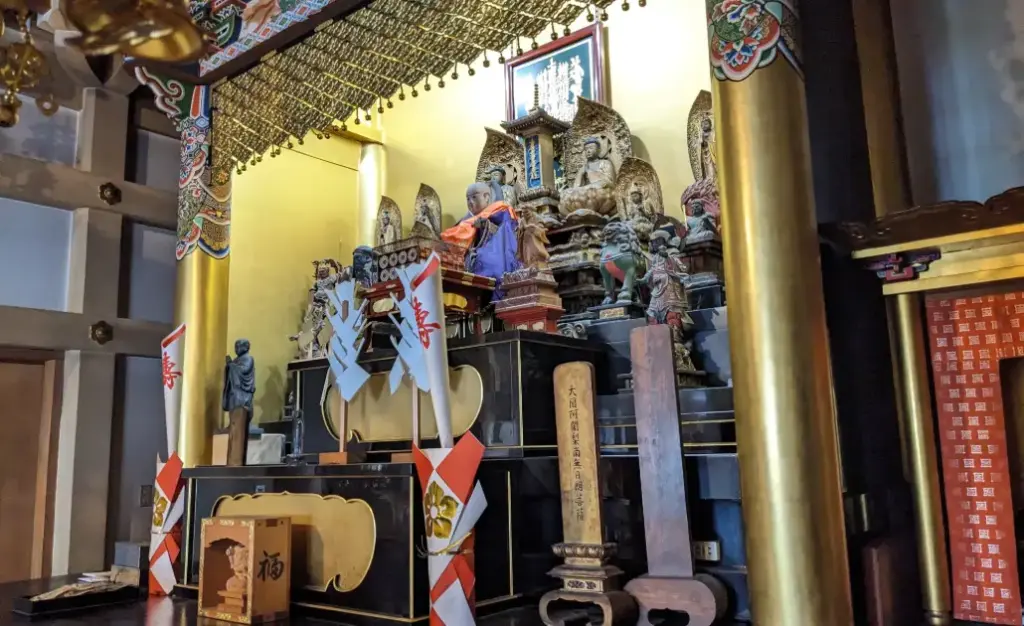
A rare highlight of Eifukuzan Myojoji Temple is its Rittai Mandara, a three-dimensional mandala that represents the teachings of the Lotus Sutra in sculptural form rather than as a drawing. Such works are uncommon even in Japan, and the serene hall allows you to appreciate its presence up close.
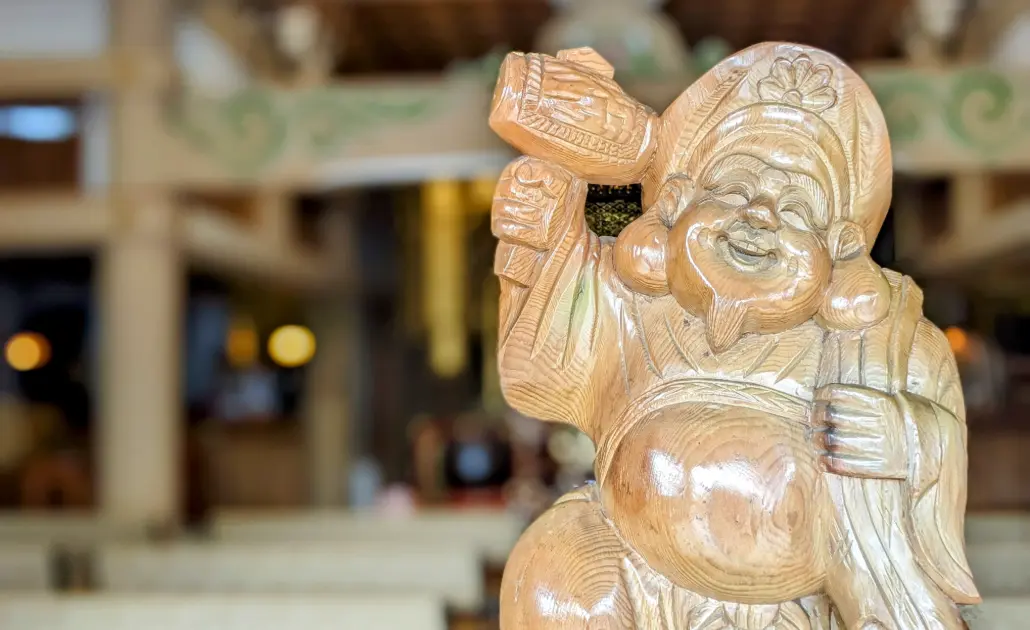
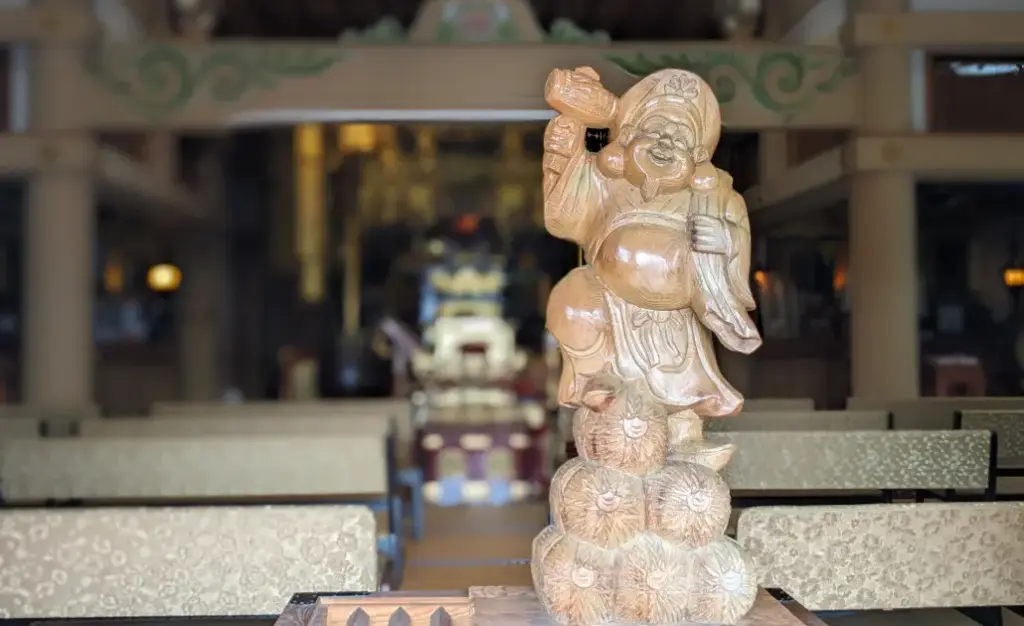
The temple also enshrines Daikokuten, one of Japan’s Seven Lucky Gods, associated with abundance and prosperity. Through the Nichiren tradition’s unique Kajikitō rituals—performed only by monks who have completed rigorous spiritual training—visitors are believed to receive special blessings. Many find this ceremony to be a deeply reassuring and empowering experience.
The temple grounds offer beautiful scenery throughout the year. Lush greenery, vermilion Torii gates (traditionally Shinto gateways), and traditional temple architecture create a picturesque landscape. Whether visiting briefly or taking time to wander, this peaceful site offers a vivid glimpse into Japan’s spiritual culture—a true hidden gem of Izumisano.
⭐ Highlights
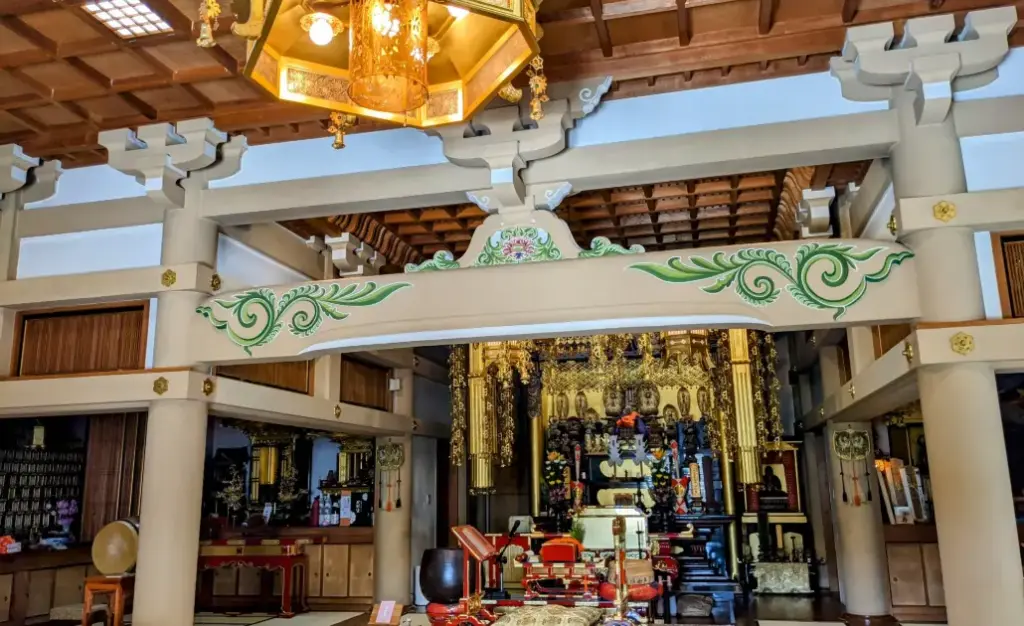
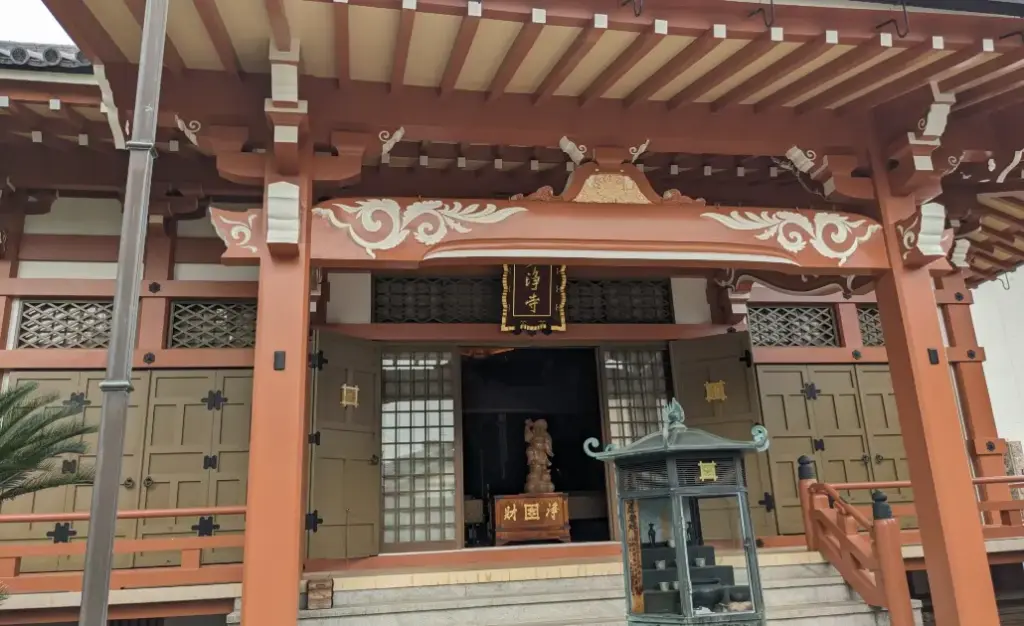
📷 Main Hall (Rebuilt in 1980)
This beautifully restored wooden hall showcases traditional Japanese temple architecture. Interior visits are available with an advance reservation.
📞 Reservation Required
To tour the inside of the main hall, please make a reservation in advance through the temple’s official contact information.
⛩ Vermilion Torii Gate & Guardian Deity Hall
At the entrance stands a striking vermilion Torii gate, leading to the hall that enshrines Saijōi Kyōō Inari Daibosatsu, one of the temple’s most symbolic guardian deities.
Affectionately called “Sano no Saijō-san” by locals, this deity is widely worshipped for national peace, family safety, and personal well-being.
Although its name includes “Inari,” it is different from the fox-associated Inari shrines of the Shinto tradition. Here, it is revered as a Buddhist guardian deity within the Nichiren school—considered a protector of the land and its people.
Deeply rooted in the community, this sacred presence continues to inspire devotion and offer comfort to visitors seeking blessings and protection.
◆ Goshuin (Temple Seal Stamp) … Pre-written paper type available
¥1,000
◆ Omamori (Charms)
・ Zōyaku Jumyō (longevity & blessings) … ¥1,000
・ Fukusen (good fortune coin charm) … ¥500
📌 Payment: Cash only (Japanese yen)
✨ Rittai Mandara (Three-Dimensional Mandala)
This rare principal object of worship presents a mandala—normally depicted as a flat Buddhist cosmological diagram—reimagined in a fully three-dimensional sculptural form. Such works are exceptionally uncommon even in Japan.
Within the quiet hall, visitors can appreciate its striking detail and spiritual presence at close range.
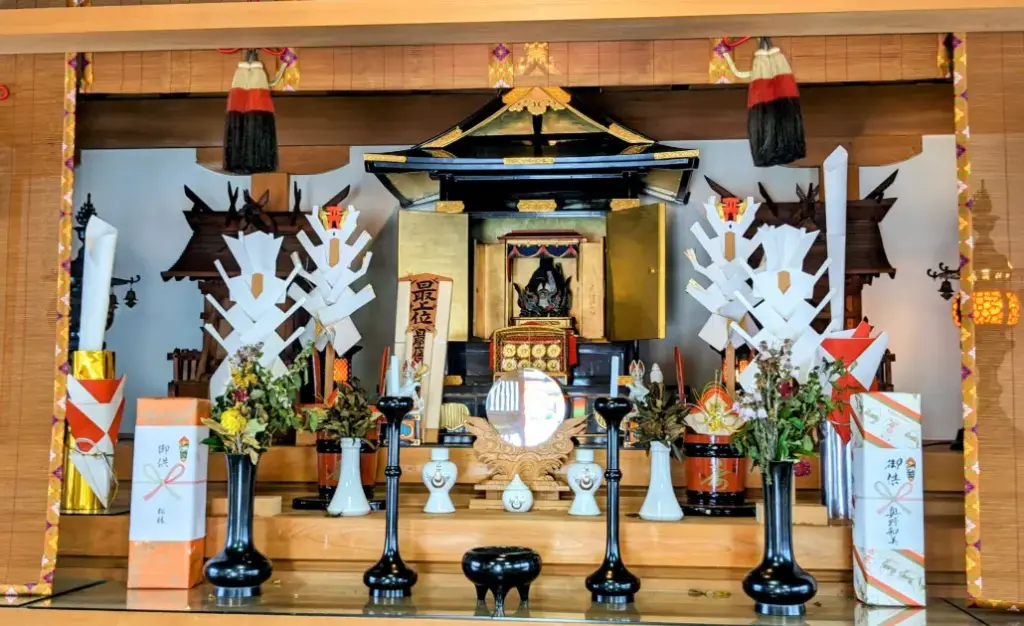
◆Saijōi Kyōō Inari Daibosatsu
This revered Buddhist guardian deity is associated with peace and stability of the land, protection for both the human world and the unseen spiritual realm, and enduring blessings rooted in Buddhist teachings.
Locally, it is warmly known as “Sano no Saijō-san,” a beloved figure who has long been worshipped for safeguarding the community and its well-being.
👶 Tsubonisshin Shōnin
Known through a cherished local legend, Tsubonisshin Shōnin is revered as a compassionate Buddhist figure who grants blessings for fertility, safe childbirth, and the healthy growth of children.
This sacred spot is especially popular among women and families seeking such prayers.
If you are fortunate to meet a resident monk during your visit, you may even hear the story and teachings associated with Shōnin directly—an experience many visitors find deeply touching.
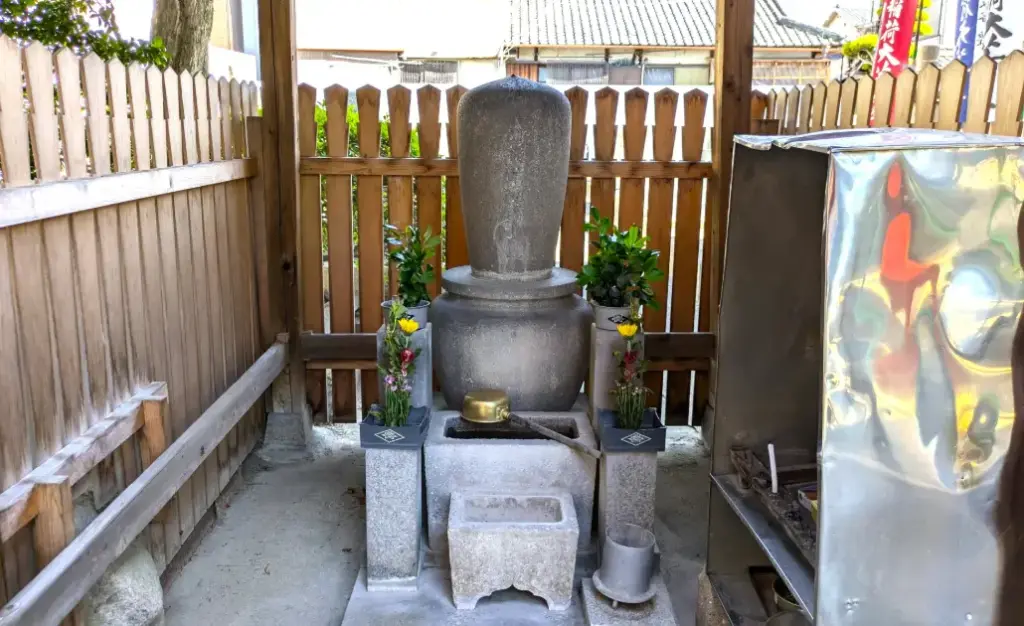
💰 Daikokuten
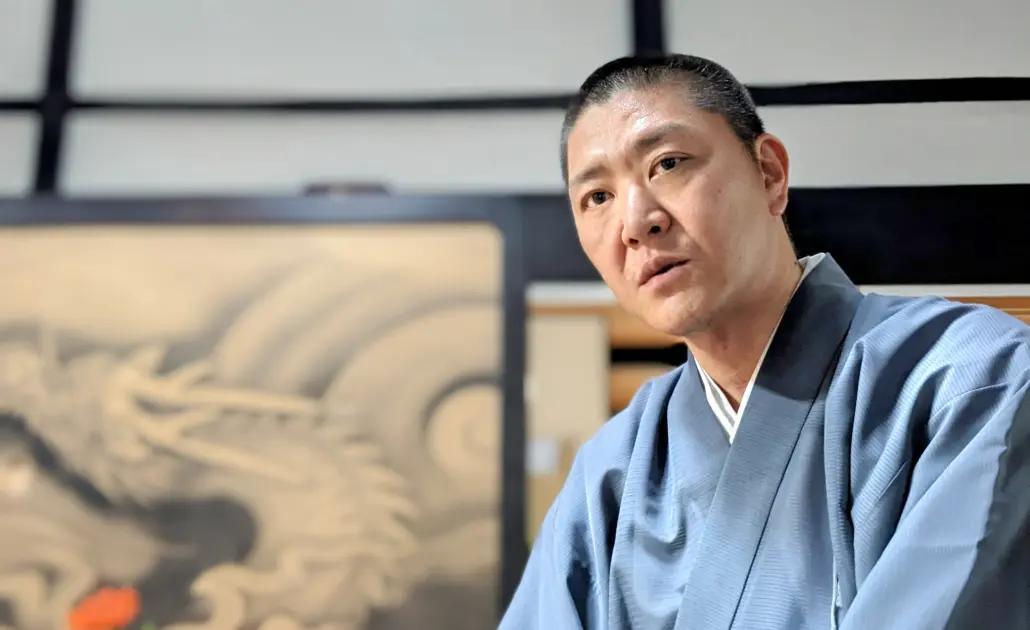
This temple preserves a rare esoteric ritual known as Kajikitō (a sacred prayer ceremony), which is performed only by monks who have completed rigorous spiritual training. Through this tradition, visitors can glimpse the depth of Japan’s Buddhist faith and devotional culture.
🏯 Main Hall
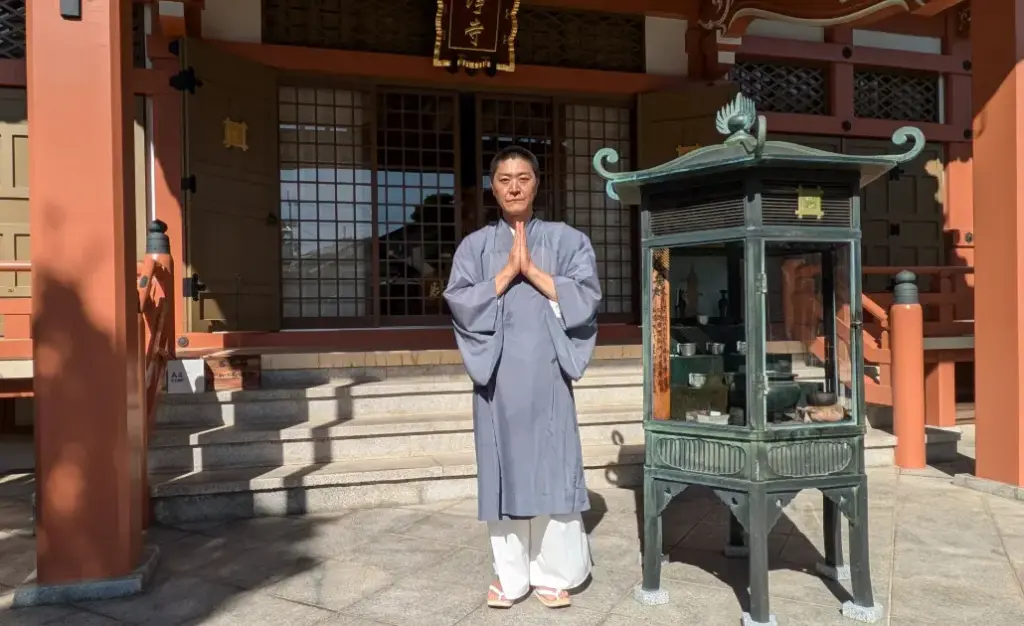
The vermilion-painted main hall stands gracefully amidst the surrounding greenery, creating a beautiful and serene atmosphere.
A peaceful hidden gem of Izumisano — perfect for a short, meaningful visit close to Kansai Airport.
Experience a rare and photogenic scene where a vivid vermilion torii stands inside a Buddhist temple — a symbol of Japan’s spiritual harmony.
🏞️ Recommended Nearby Attractions
 Restaurants / Shrines and Temples / Accommodations, etc.
⛩️How to Worship at Shrines and Temples
MAP

Comment