



Downtown AreaHistoric SitesLAST60MINUTESSightseeingTemples & Shrines(Historic Sites)Temples & Shrines(Sightseeing)
Jōzenji Temple (Byakudōzan Jōzenji)
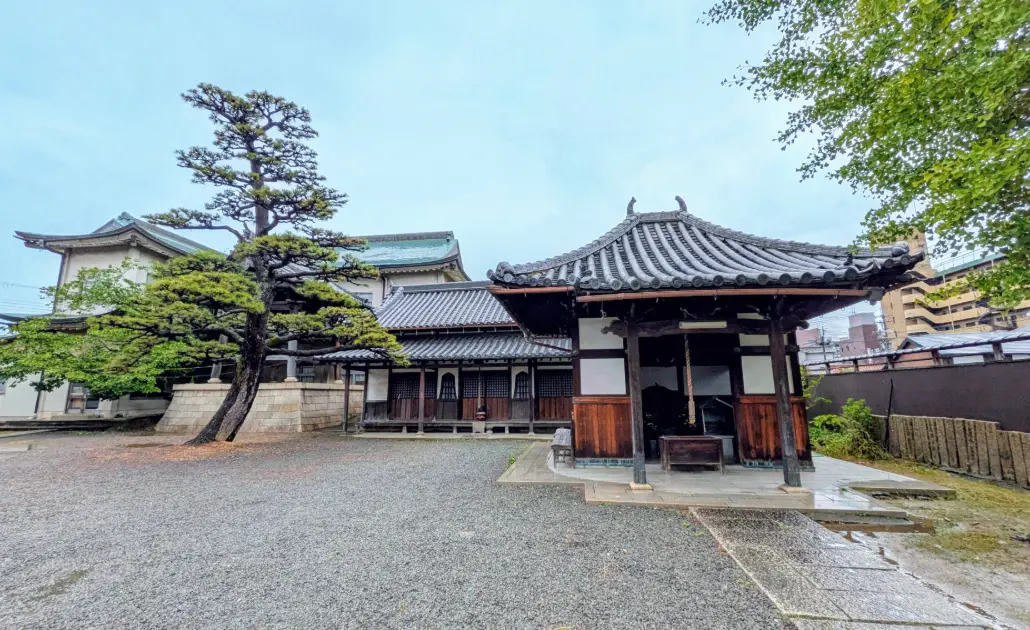
Jozenji Temple: Meet Senshu’s Largest Black Buddha in Izumisano
Buddhist Tradition: Jodo Shu (Pure Land Buddhism, Chion-in School)
Only a 5-minute walk from Nankai Izumisano Station, Jozenji Temple is one of Izumisano’s most important historic temples, with a history spanning more than 500 years.
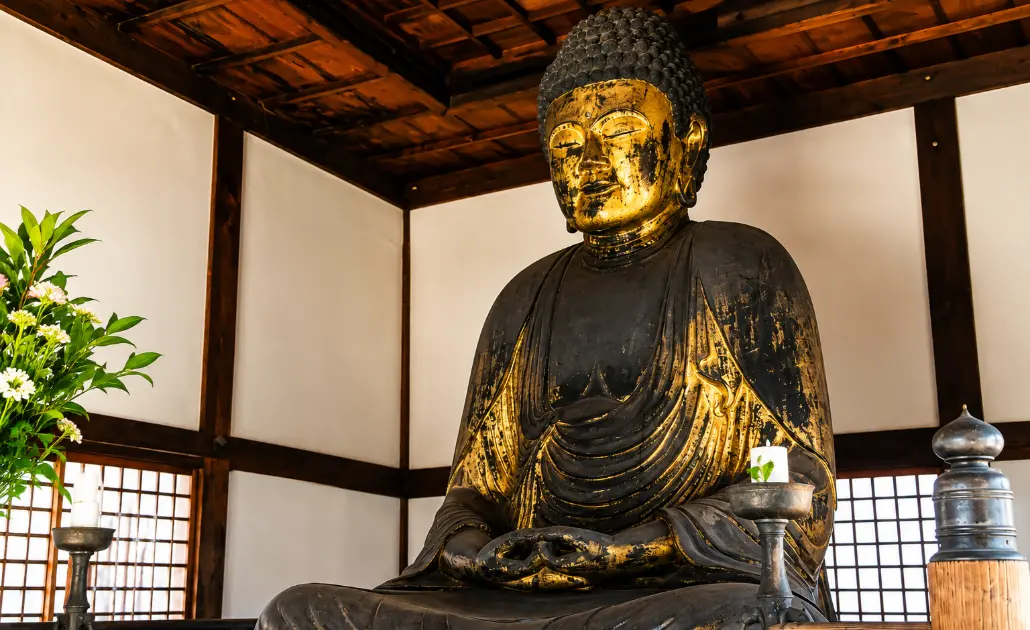
Its highlight is the Amida Buddha, affectionately known as the Senshu Great Buddha. One of the largest seated Buddha statues in the Senshu region, it is also called the “Black Buddha” because it was once entirely coated in black lacquer.
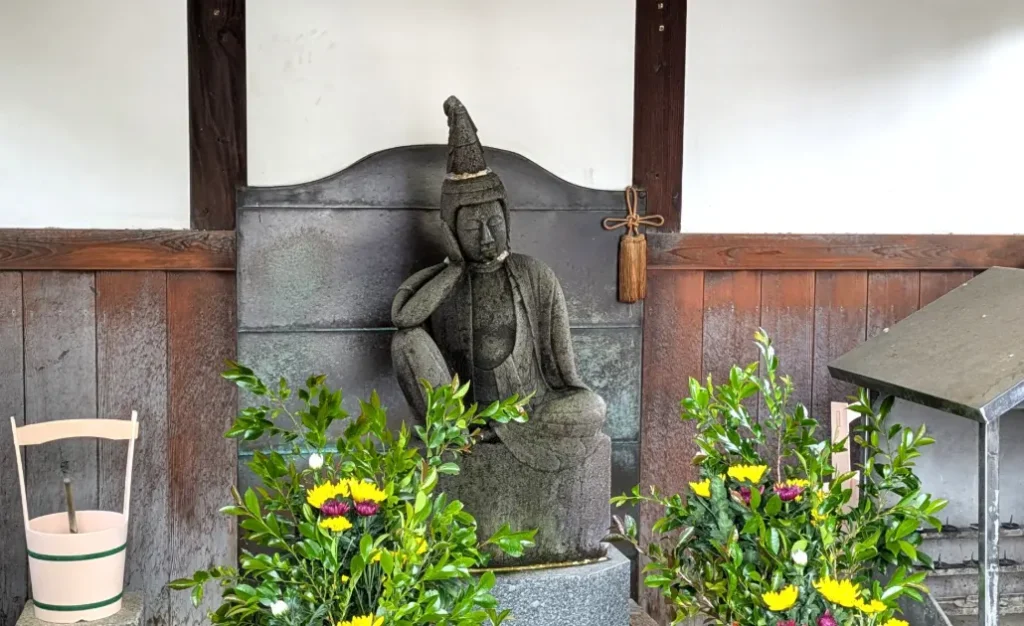
Another popular stop is the Mizukake Kannon (Water-Pouring Kannon). Visitors gently pour water over the part of the statue that corresponds to the area they wish to pray for, following a long-standing local tradition for good health.
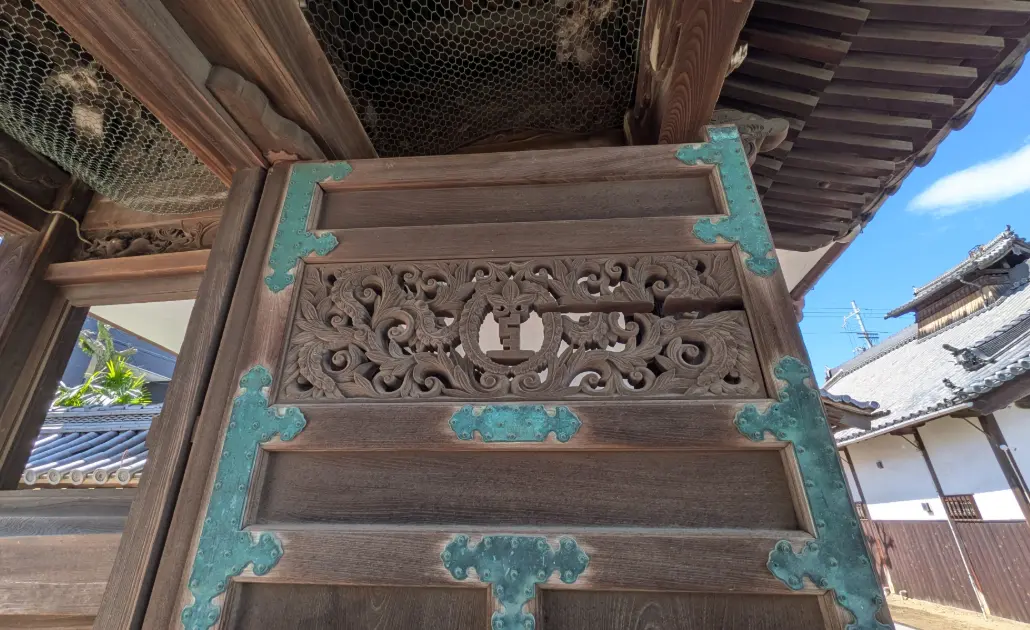
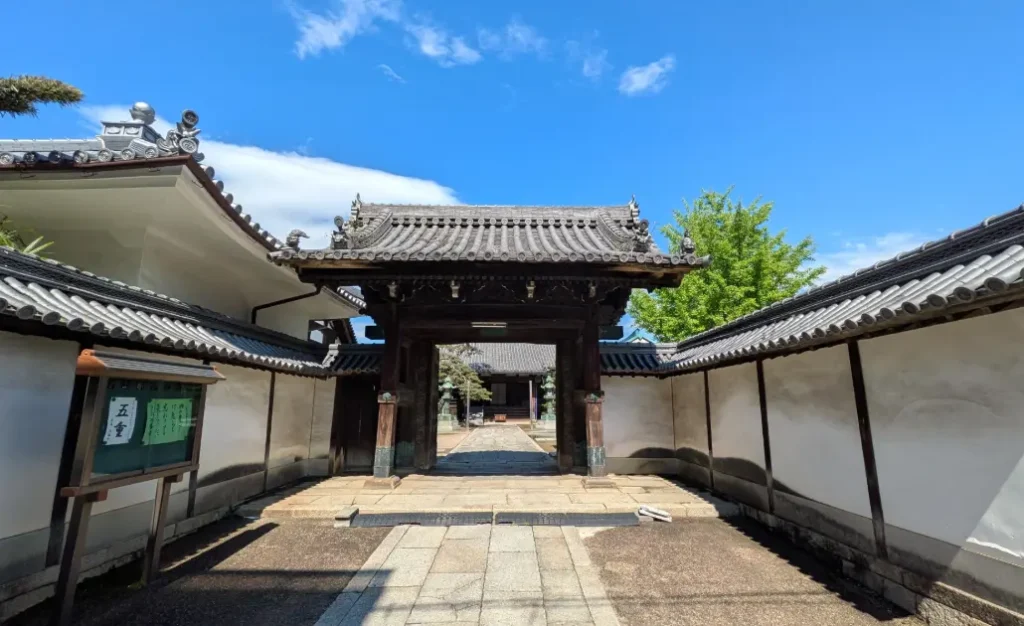
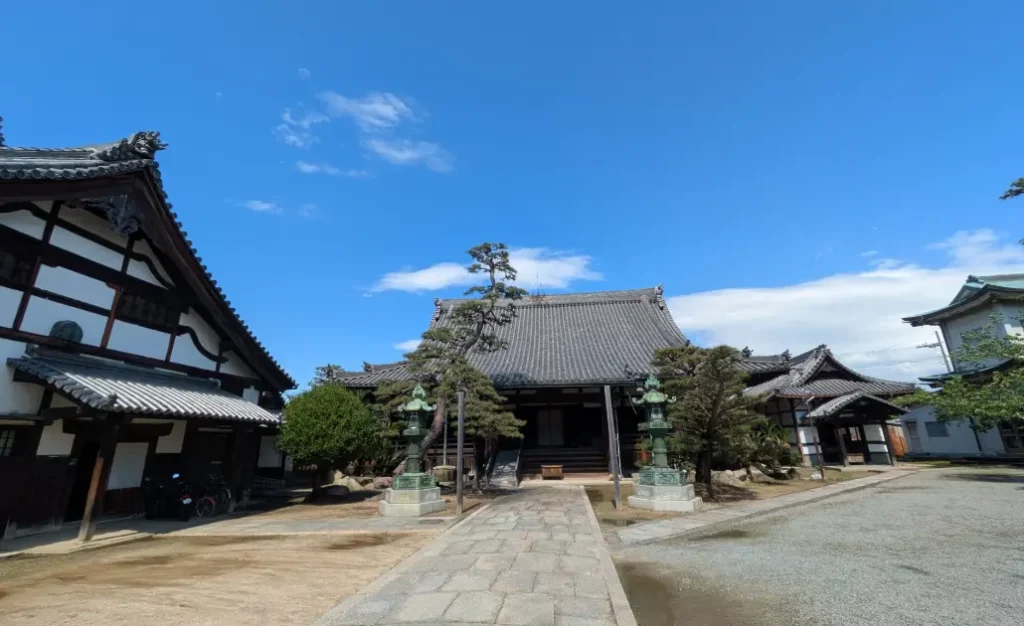
Jozenji was once the head temple of the Senshu region, overseeing more than 50 affiliated temples. Today, visitors can also admire five historic buildings—including the Main Hall and Bell Tower—that are registered as National Tangible Cultural Properties of Japan.
If you’re staying near Kansai International Airport or looking for a cultural stop before or after your flight, Jozenji Temple offers a peaceful way to experience Japan’s history and Buddhist heritage beyond the usual tourist routes.
📌 Basic Information
📍Jōzenji Temple (Byakudōzan Jōzenji)
📍白道山 上善寺
| 📅 Reservation | Required for visits inside the Main Hall |
| 📞 Phone | +81-72-462-0819 (Japanese Only) |
| 🏠 Address | 10-5 Sakaemachi, Izumisano City, Osaka |
| 🚉 Access | 🚉 from Izumisano Station Approximately 5 minutes on foot (about 350 m) ✈️ from Kansai International Airport (KIX) Approximately 15 minutes from Kansai International Airport via the Nankai Airport Line |
| 🚗 Parking | Available within the temple grounds |
| 🕒 Visiting Hours | 6:30 AM – 7:00 PM |
| 🎫 Admission Fee | Free |
| 🙏 Main Blessings | Recovery from illness, good health, family safety, and protection from misfortune |
| 💳 Payment Methods | Cash (Japanese yen) |
🔗Official Website:
🌐 Social Media:
ℹ️ Detailed Information
■ What Makes Jozenji Temple Special
Home to the Senshu Great Buddha (“Black Buddha”), one of the largest seated Buddha statues in the Senshu region
Experience over 500 years of local history and Buddhist tradition
Explore five historic buildings registered as National Tangible Cultural Properties of Japan
A historic temple just a 5-minute walk from Izumisano Station
■ Easy to Visit on Foot
About a 5-minute walk from Nankai Izumisano Station
Conveniently located near the local shopping street, making it easy to include in your walk
A great place to experience Japanese history and Buddhist culture during your visit
An urban temple that’s easy to visit even on rainy days
■ Best Time to Visit
Open to visitors year-round
Early morning for a peaceful atmosphere
Ideal for travelers interested in Japanese history, temples, and cultural heritage
⭐ Highlights
🛕 Senshu Daibutsu (Black Buddha)
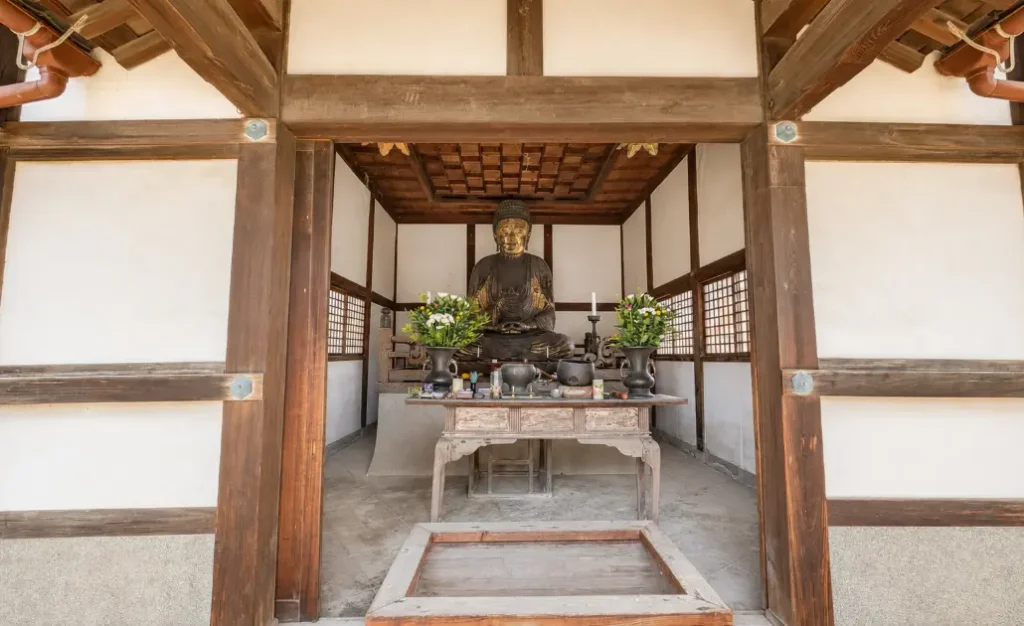
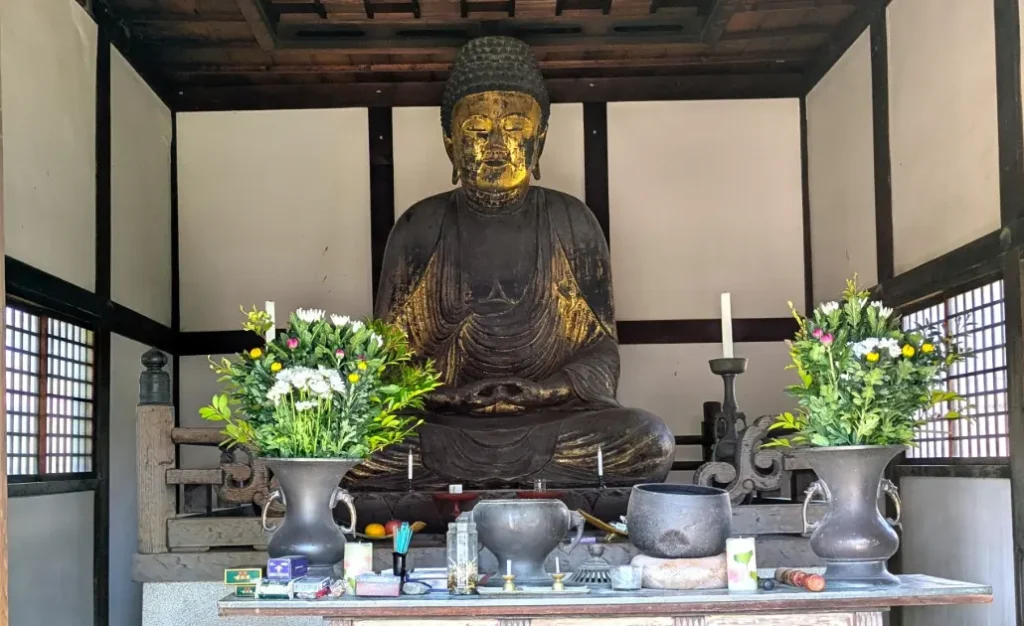
A large seated statue of Amida Buddha, considered one of the largest in the Senshu region. It is affectionately known as the “Senshu Daibutsu.” Because the statue was once covered in black lacquer, it is also called the “Black Buddha.”
💧 Mizukake Kannon
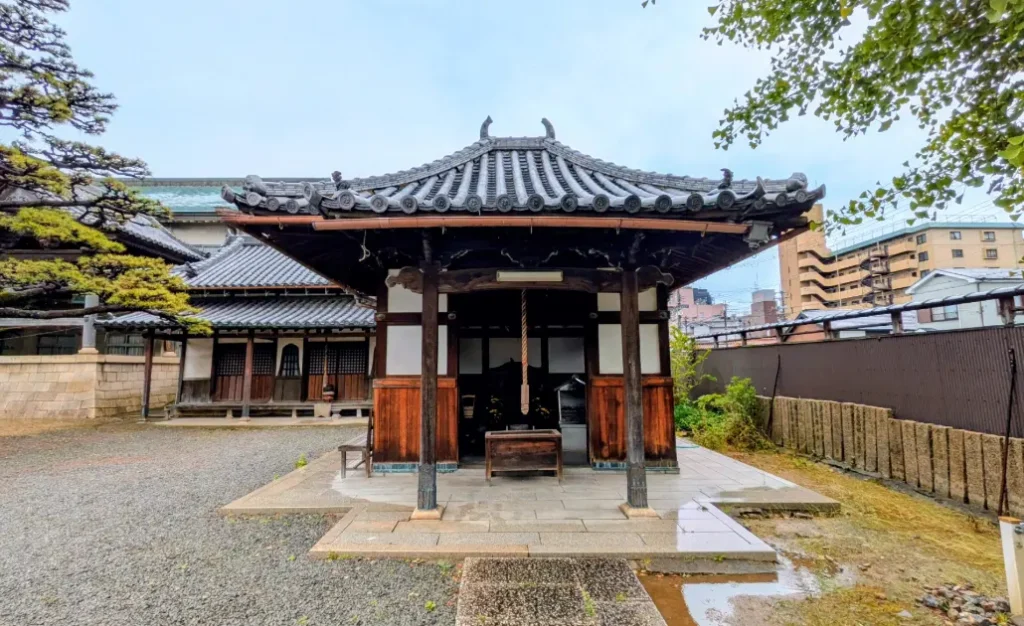
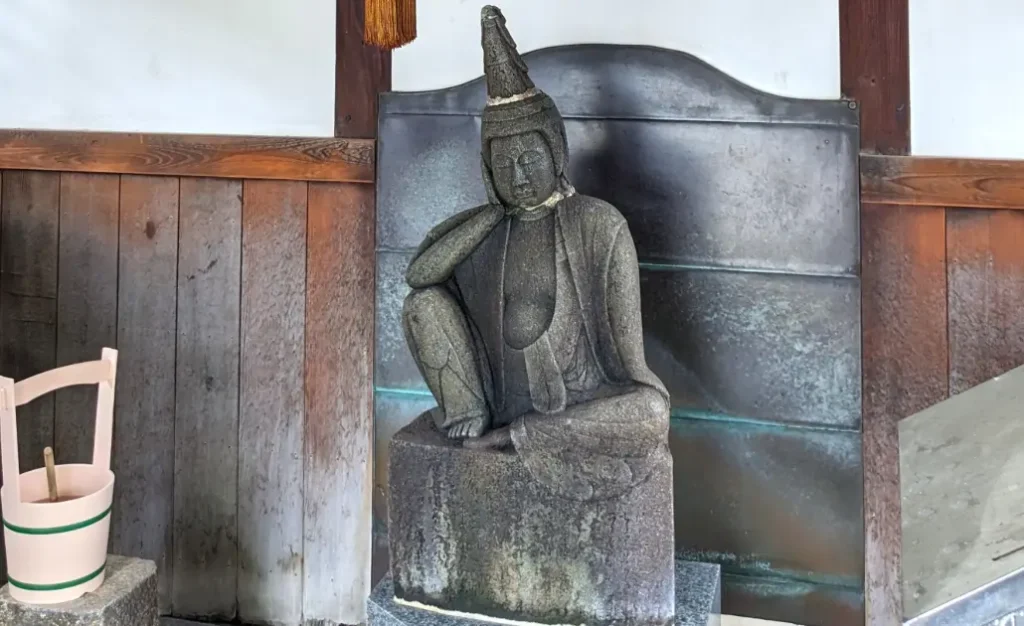
A unique local prayer tradition. Visitors pour water on the part of the Kannon statue that corresponds to an area of concern, then gently touch the same part of their own body while offering a prayer for health and well-being.
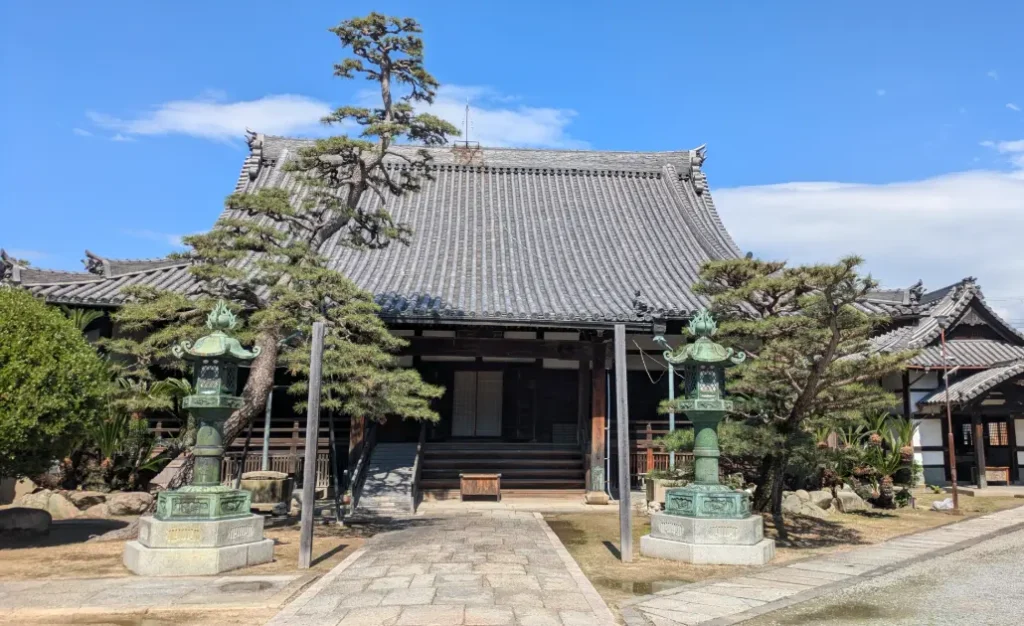
🏛 Main Hall
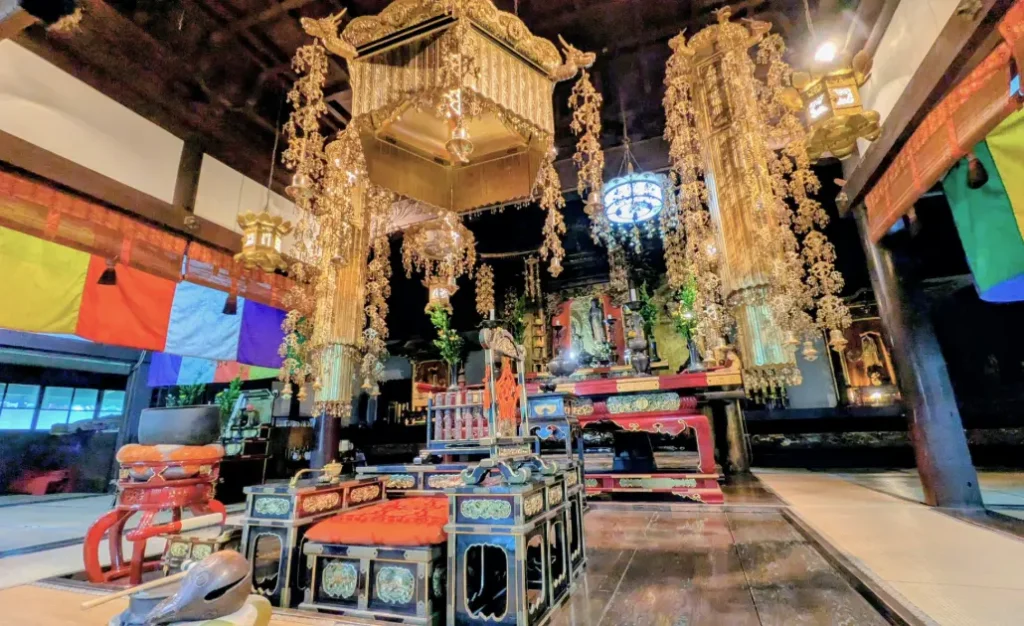
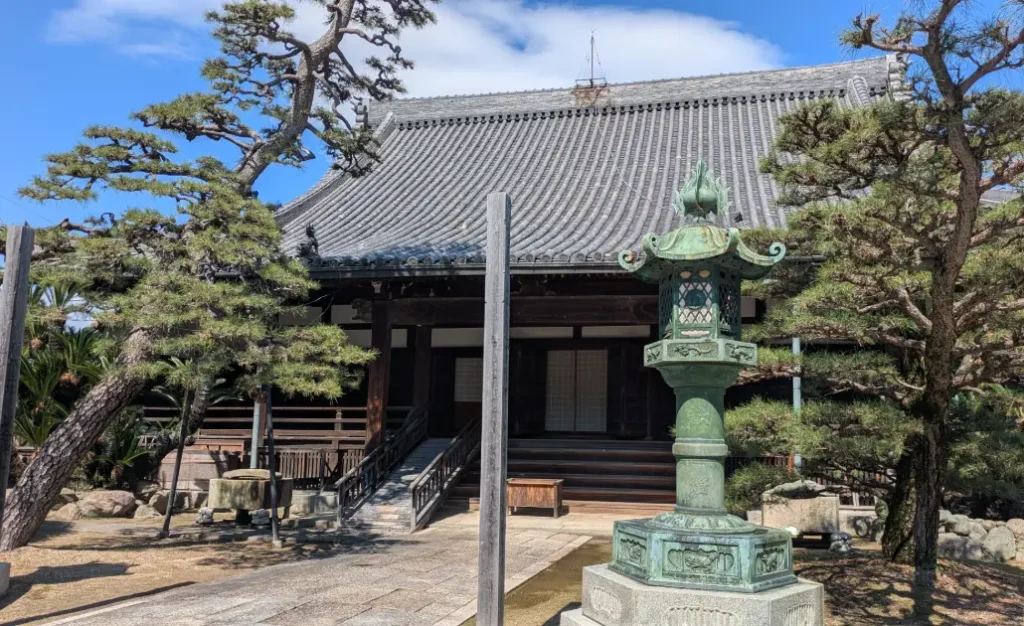
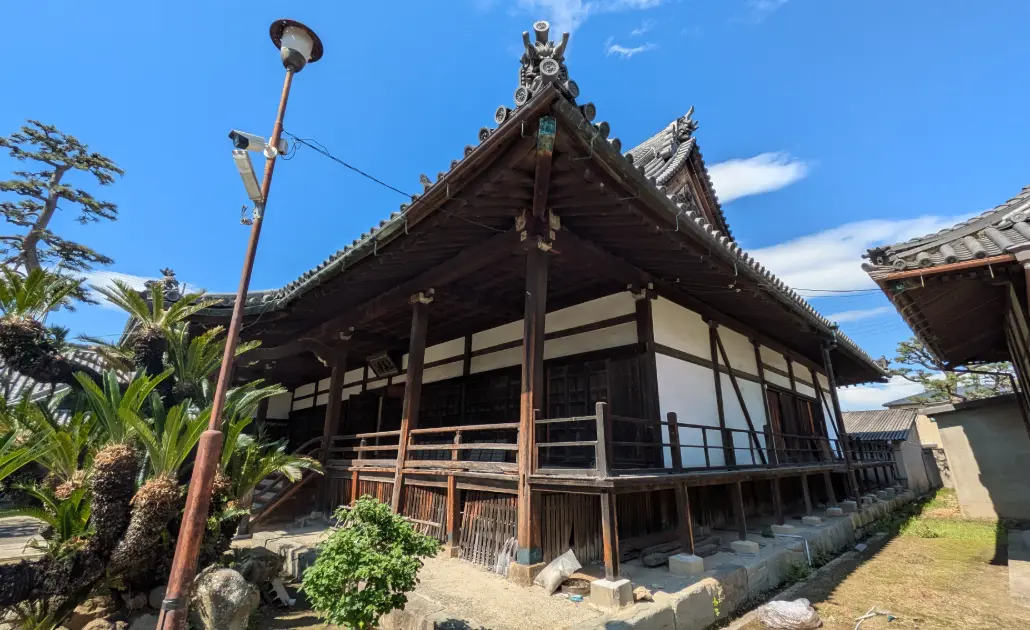
Built in 1683, this is the principal building of Jōzenji Temple and one of its most important historic structures.
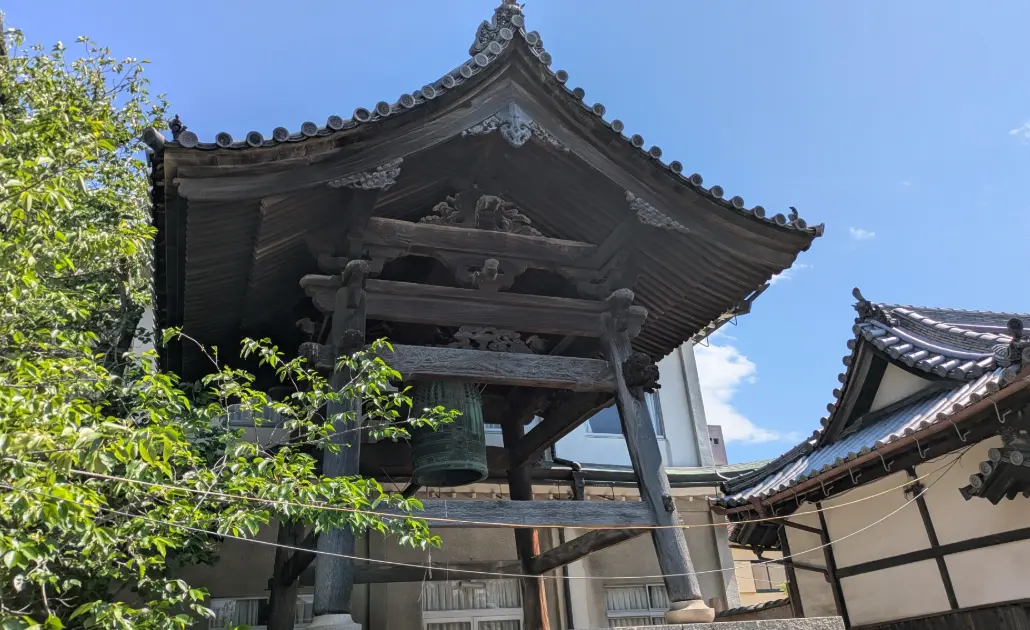
🔔 Bell Tower
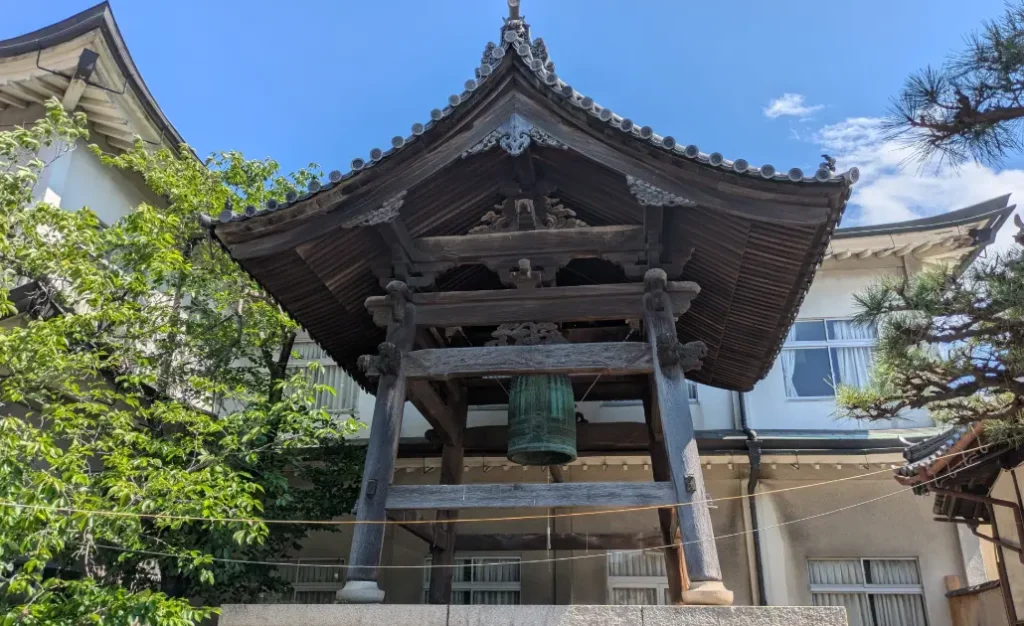
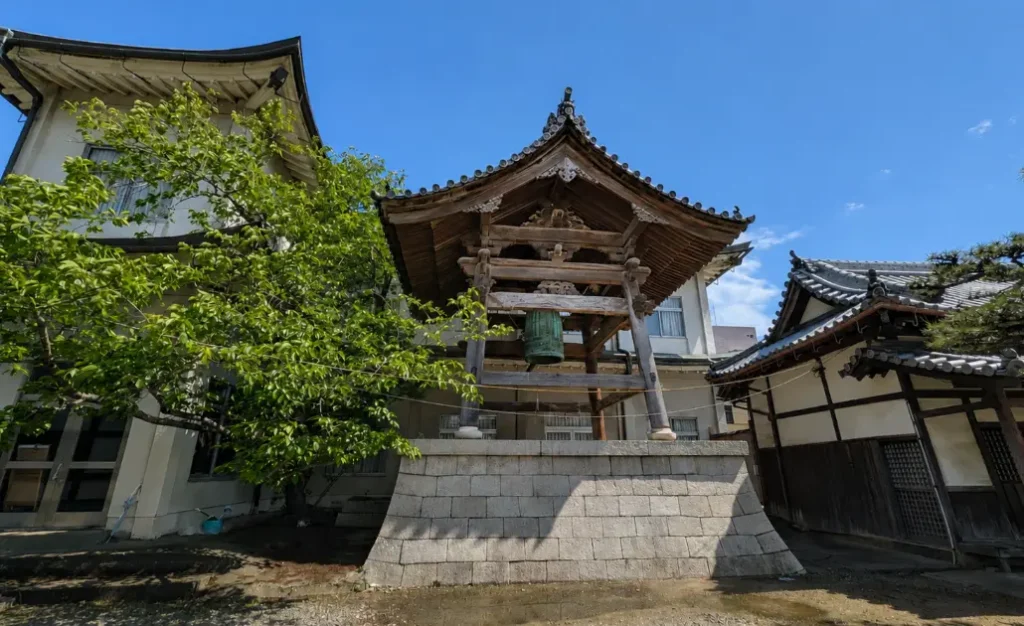
Built in 1797. The temple bell is rung during the traditional New Year’s Eve ceremony, welcoming the new year in a Japanese Buddhist custom.
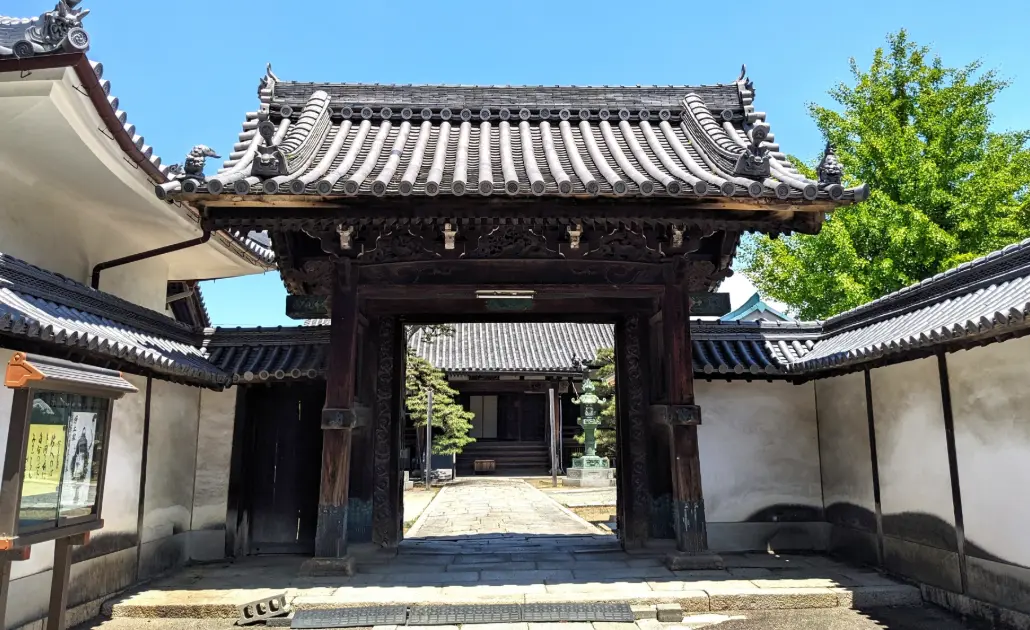
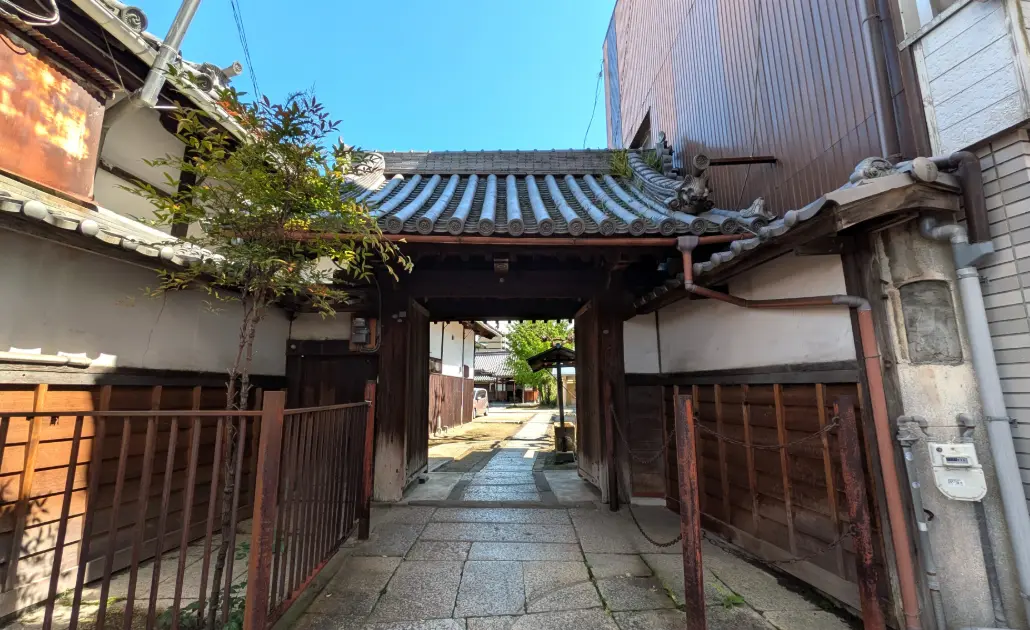
🚪 Front Gate
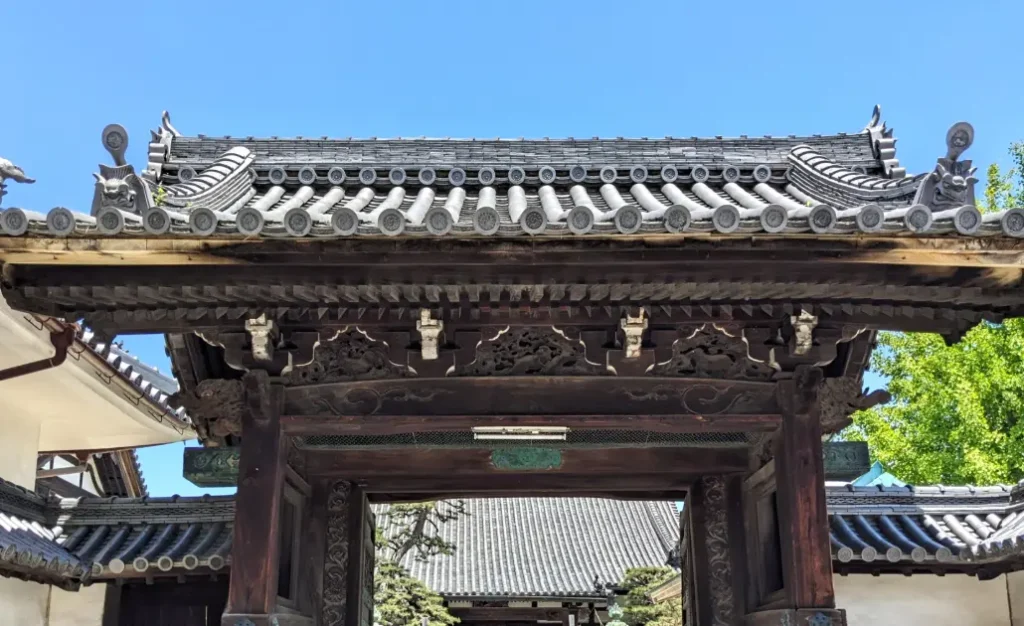
Look for the detailed carvings of the 12 animals of the Japanese zodiac beneath the roof.
📦 Treasure Storehouse
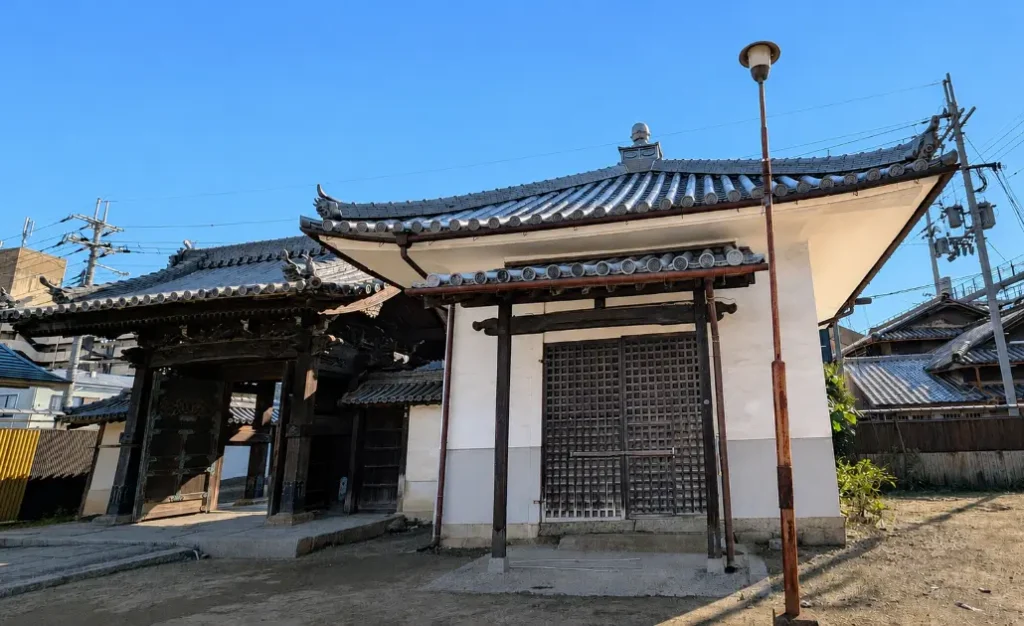
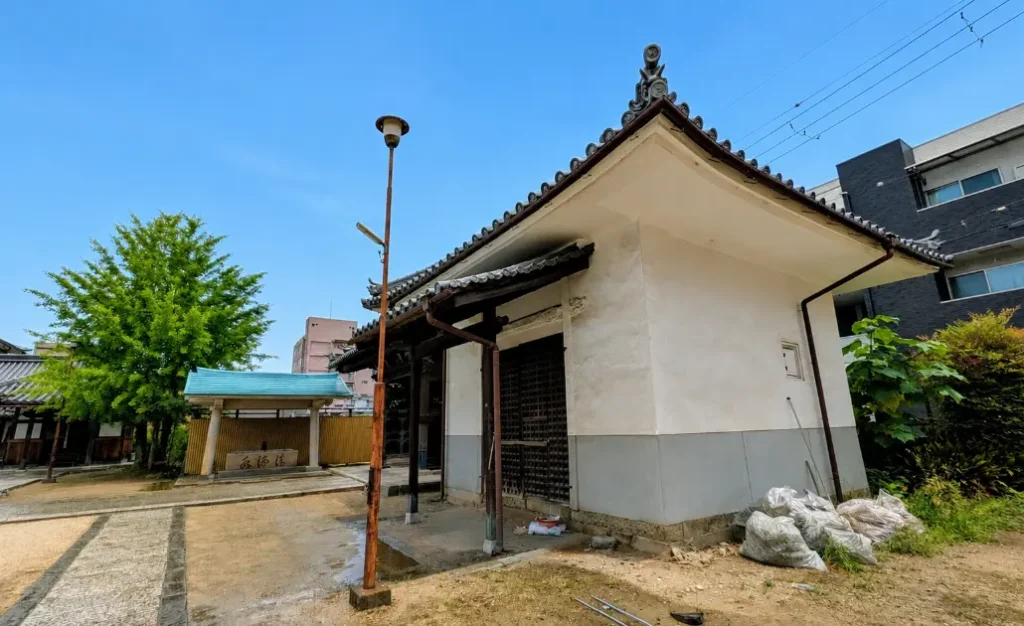
A historic building used to preserve valuable temple treasures and religious artifacts.
🏠 Kuri (Priest’s Quarters)
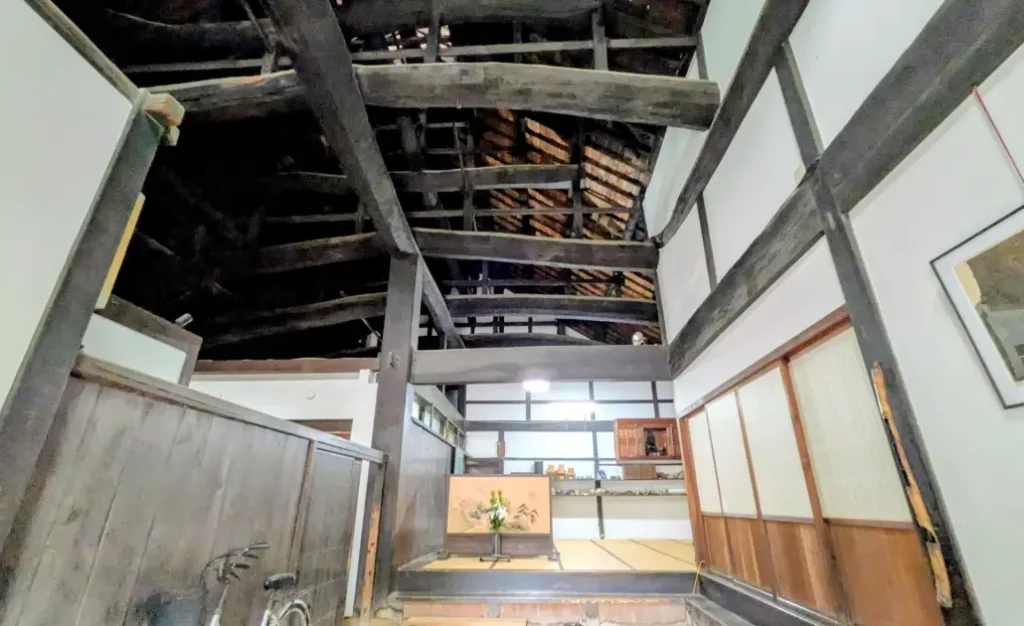
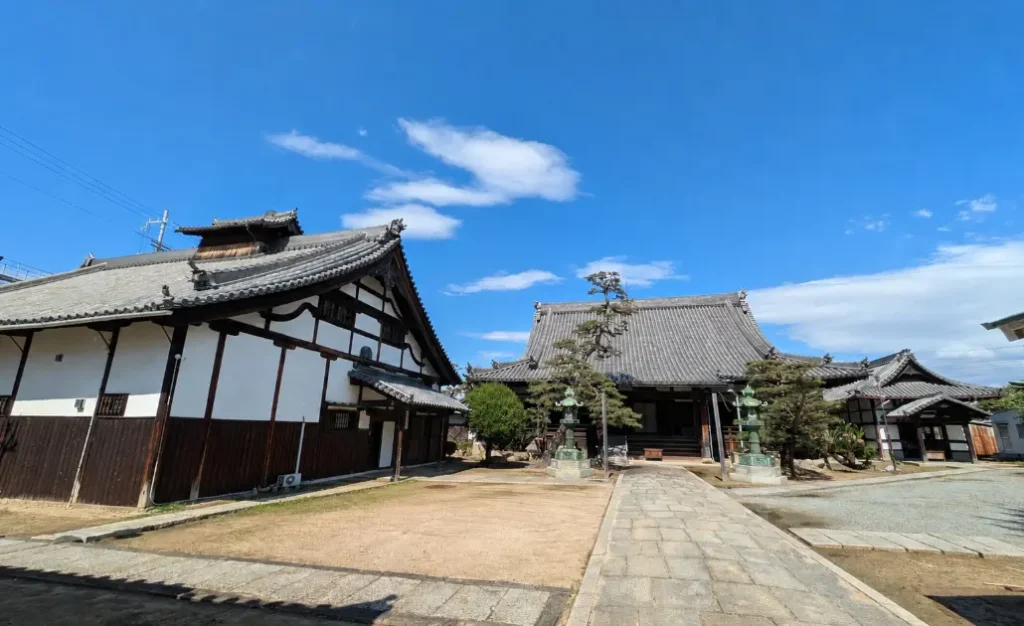
The former living and kitchen area for temple monks. Highlights include massive wooden beams and a traditional open ceiling designed to release smoke from the old cooking hearth.
🙏 Hall of the Thirty-Three Kannon
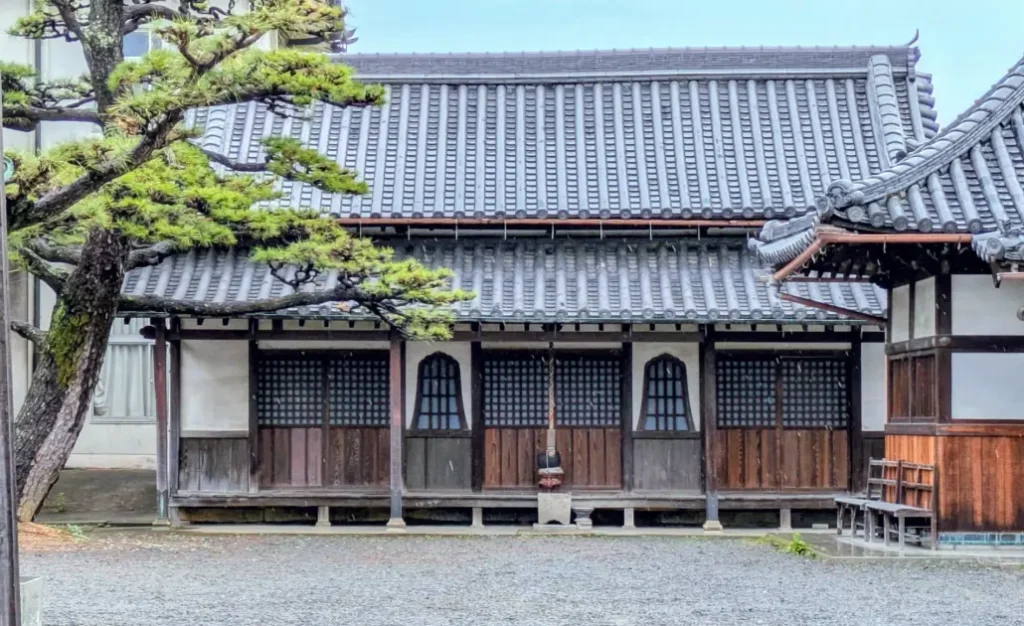
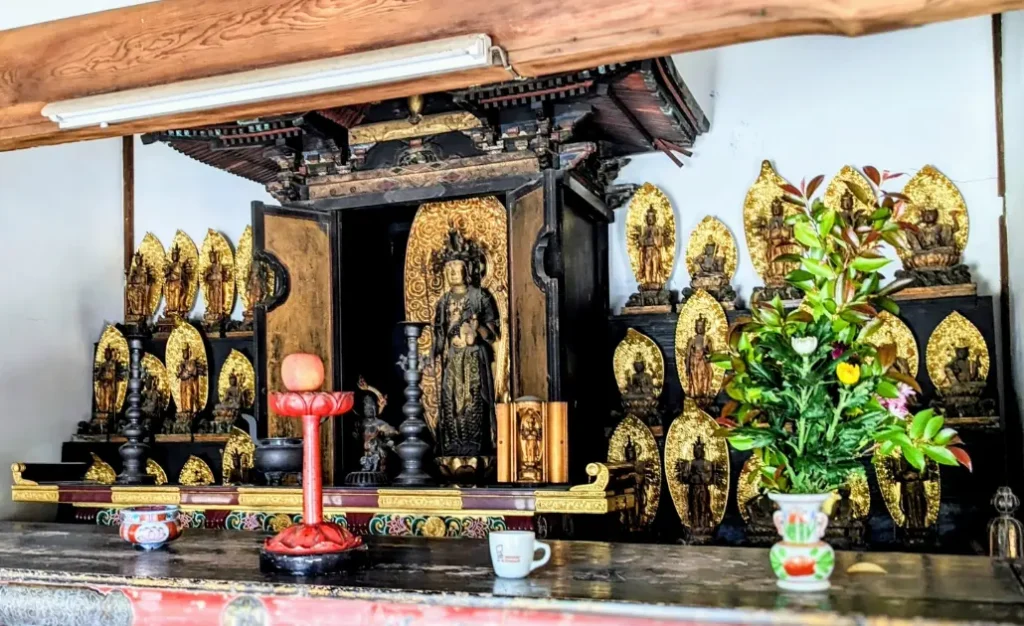
Enshrines an 11-faced Kannon statue dating from the Muromachi Period (1336–1573). Local tradition says that visiting this hall brings spiritual merit similar to completing the famous Saigoku 33 Kannon Pilgrimage.
🏞️Recommended Nearby Attractions
 Restaurants / Shrines and Temples / Accommodations, etc.

⛩️How to Worship at Shrines and Temples
MAP


Comment