



Historic SitesInland-areaSightseeingTemples & Shrines(Historic Sites)Temples & Shrines(Sightseeing)
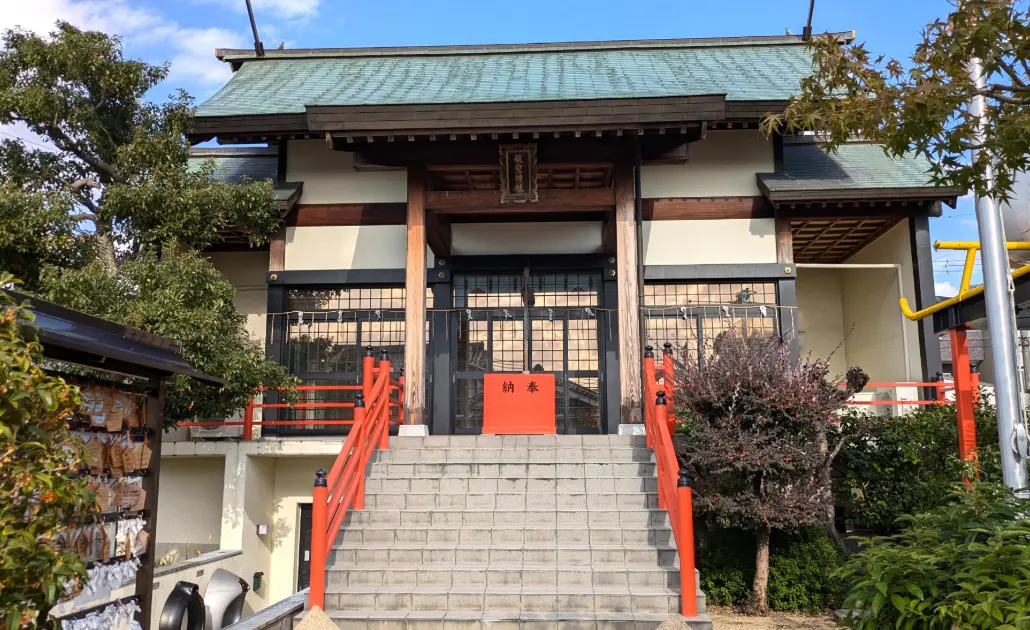
Senshu Iwafune Shrine (Senshu Aviation Shrine)
For pilots, travelers, and everyone taking to the sky —
Find heavenly protection at Senshu Aviation Shrine (泉州航空神社).
Enshrined Deity: Nigihayahi no Mikoto (饒速日尊)
Revered as a pioneer of aviation and space, Nigihayahi no Mikoto is also known as the ancestral deity of the Mononobe Clan, a distinguished family who served the Imperial Court with great skill in bu (martial strength) and were said to govern iron craftsmanship.
This sacred place invites visitors to pray for safe travels, especially for those connected to aviation or embarking on journeys through Kansai International Airport.
The newest shrine established in Osaka, Senshu Aviation Shrine is dedicated to Nigihayahi no Mikoto (饒速日尊), revered as a divine pioneer of aviation and space.
According to Japan’s ancient chronicles—the Kojiki and Nihon Shoki—he descended from the heavens aboard the celestial vessel Amano Iwafune (天磐船), guiding Amaterasu Omikami.
※ Amano Iwafune (天磐船): A celestial ship said to carry gods and heavenly messengers in Japanese mythology.
The idea to establish this shrine arose when the construction of Kansai International Airport was decided.
In 1983, a sacred spirit was transferred from Iwafune Shrine (磐船神社) in Katano City, and the first enshrinement ceremony (Chinza-sai) was held on the grounds of the former Sano Airfield.
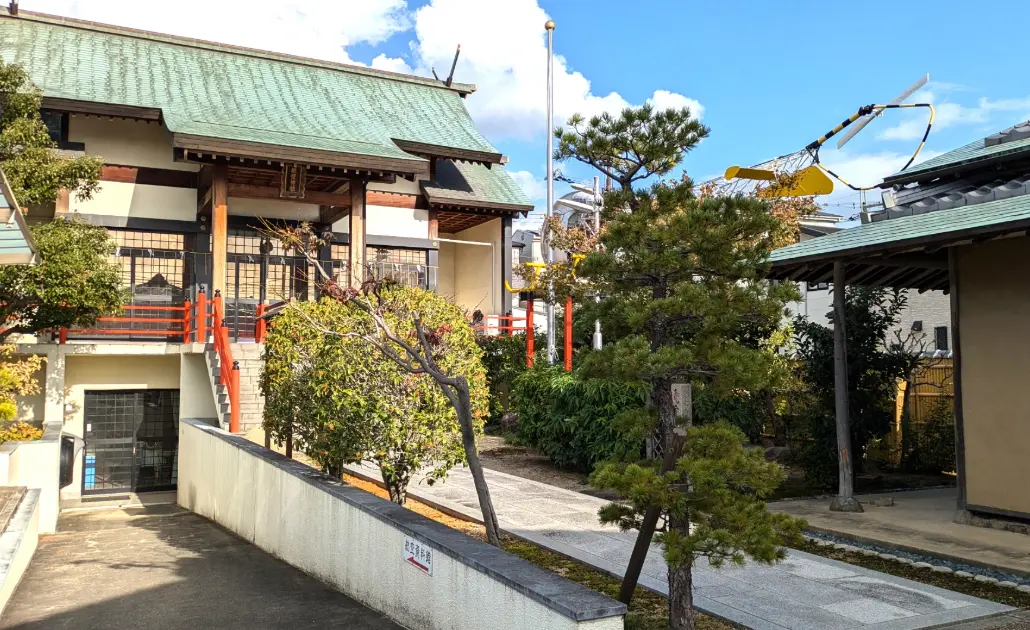
As the community grew, the shrine was relocated to its current location in December 1990.
Every year on September 20, the shrine celebrates Sky Day (Sora no Hi / Aviation Day) with its annual festival, featuring mochi-maki (traditional rice cake tossing) and a public tea ceremony at Hiun-an (飛雲庵) hosted by the Urasenke school.
The event draws many worshippers, travelers, and aviation enthusiasts.
Beneath the main hall lies the Aviation Archive Museum, created by the shrine’s first chief priest—a former pilot of the Japan Ground Self-Defense Force helicopter unit.
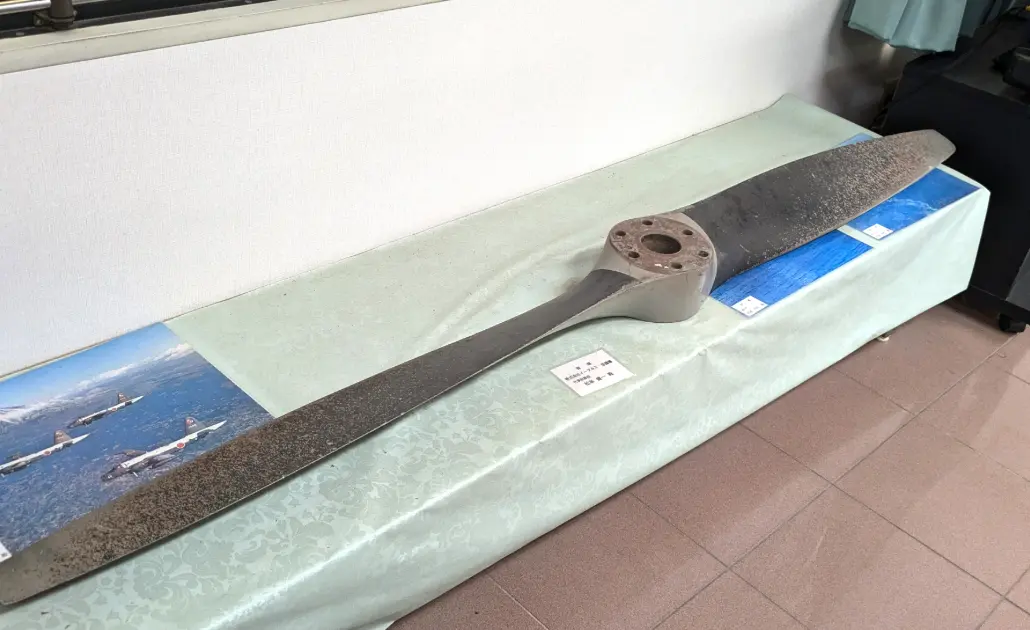
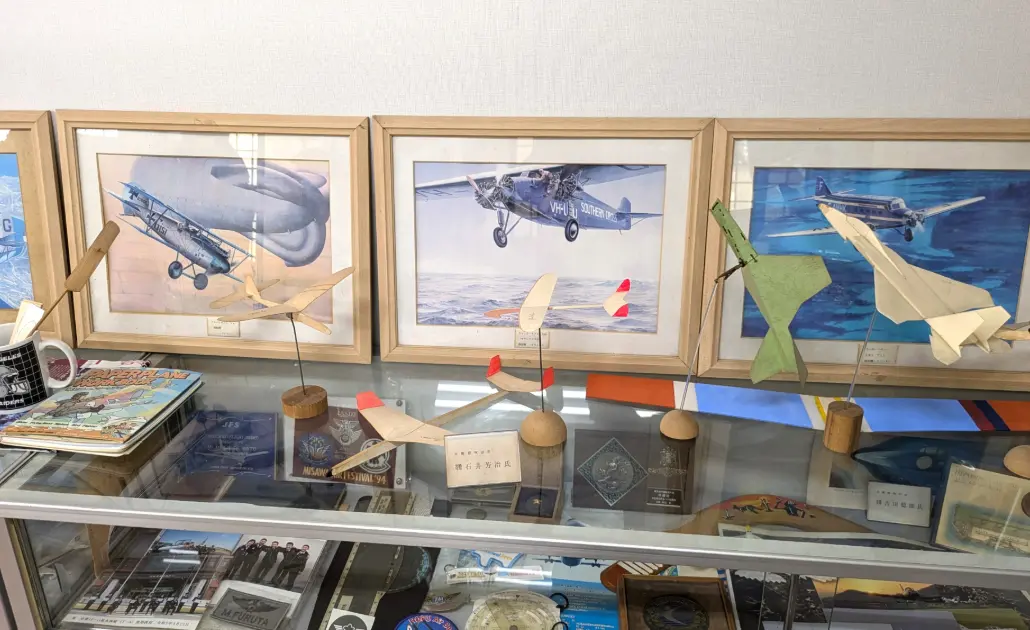
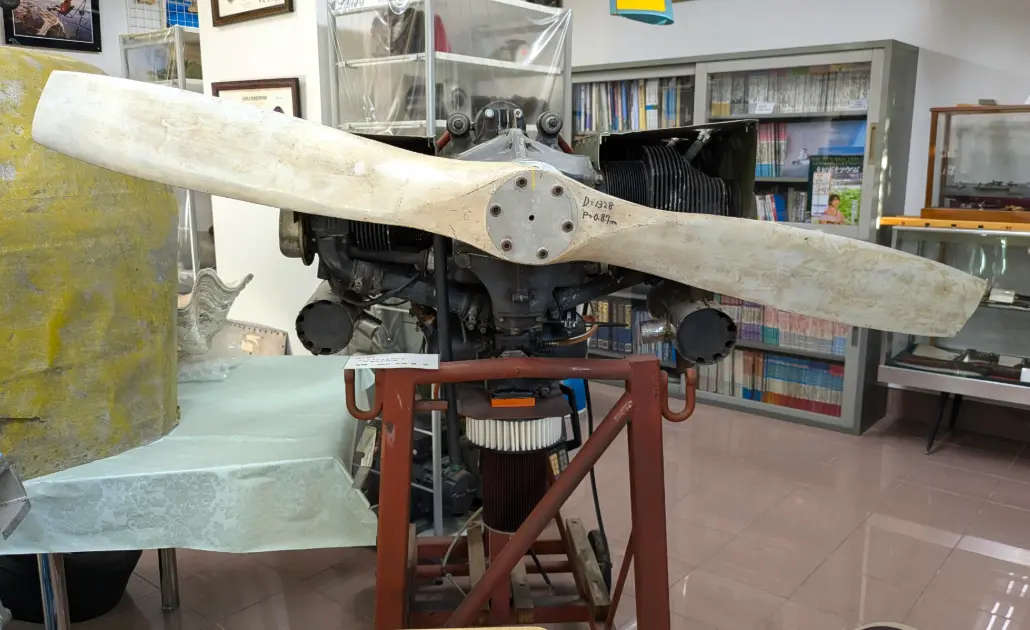
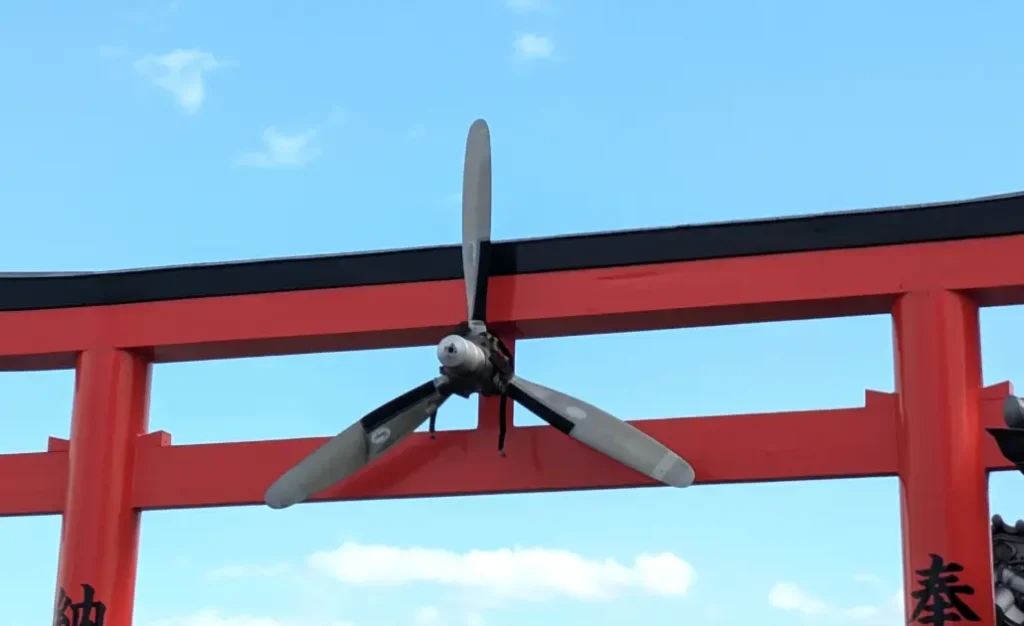
The museum displays around 4,000 aviation artifacts, including propellers, flight instruments, aircraft models, and even a preserved section of a retired firefighting vehicle.
Admission is free.
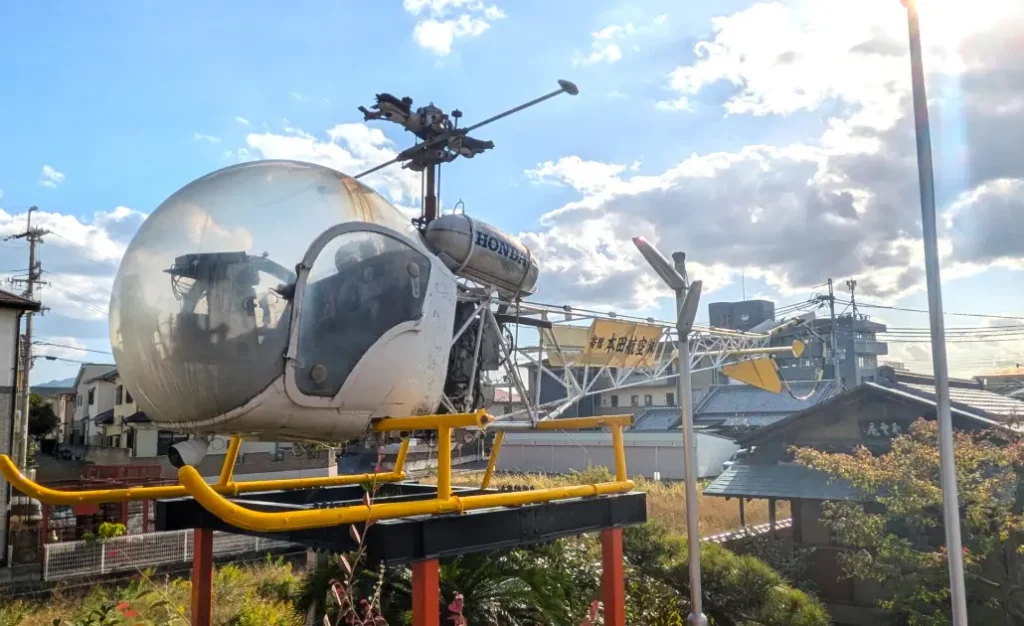
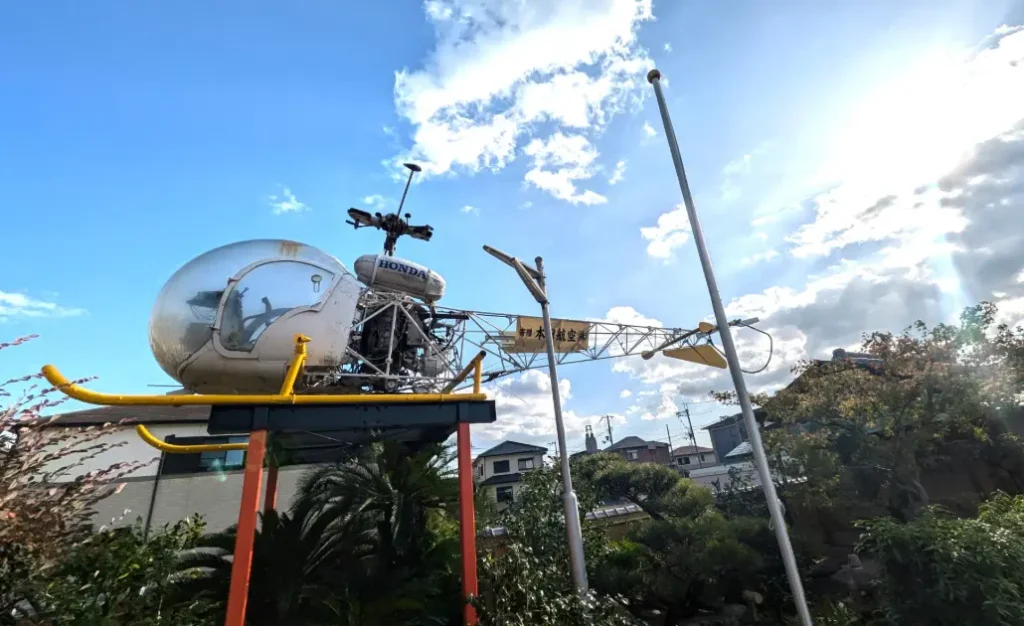
In the shrine grounds, visitors can also view a retired Honda helicopter, donated after completing its service and displayed outdoors as a symbol of aviation heritage.
※ Admission is free, but donations to the Jōzaibako (浄財箱 / support donation box) are appreciated to support maintenance.
📌 Basic Information
📍 Senshu Iwafune Shrine (Senshu Aviation Shrine)
📍泉州磐船神社(泉州航空神社)
| 📅 Reservation | For prayer and blessing reservations or inquiries, please contact us by phone. |
| 📞 Phone | 072-462-5900 (Japanese only) |
| 🏠 Address | 392-1 Kamikawaraya, Izumisano City, Osaka |
| 🚉 Access | About Approximately 14 minutes on foot (about 900 m) from the Nankai Main Line – Iharanosato Station. |
| 🚗 Parking | Free on-site parking available. |
| 🕒 Visiting Hours | 9:00 AM – 5:00 PM (Amulet Office: 9:00 AM – 5:00 PM / hours may vary depending on staff availability) |
| 💴 Admission Fee | Free |
| 🙏 Main Blessings | Protection of the sky & aviation / Safe travel / Academic success / Martial strength / Steel & metalwork protection |
| 💳 Payment Methods | Cash / Credit Cards (VISA, MasterCard, JCB, AMEX, Diners Club, Discover) 💴 Prayer Offerings:Individuals ¥5,000 / Corporations ¥10,000 (accepted anytime) |
🔗Official Website:https://www.senshuiwafune.jp/(Japanese Only)
🌐 Social Media:

ℹ️ Detailed Information
◆ Aviation Archive Museum (航空資料館)
The first chief priest of the shrine was a former pilot in the Japan Ground Self-Defense Force helicopter unit.
Drawing on his experience, the Aviation Archive Museum was established to inspire curiosity and dreams in young visitors, and to promote a deeper appreciation of aviation culture and technology.
Inside the museum, approximately 4,000 aviation artifacts are on display, including aircraft propellers, flight instruments, mechanical components, and model aircraft
(about 2,000 items collected by the first chief priest + 2,000 donated items).
Within the shrine grounds, visitors can also see a retired Honda-manufactured helicopter, donated after completing its service and now exhibited outdoors—offering a close-up look at Japan’s aviation heritage.
🛫 Visitor Information
If you wish to visit the museum, please inquire at the Shamusho (社務所) reception desk.
Advance contact is recommended, as the chief priest may not always be available.
Admission is free, but donations to the Jōzaibako (浄財箱 / support donation box) are appreciated to help with maintenance.
Most exhibits may be touched, except for the YS aircraft propeller, which is not available for handling.
Please touch the displays with care and respect.
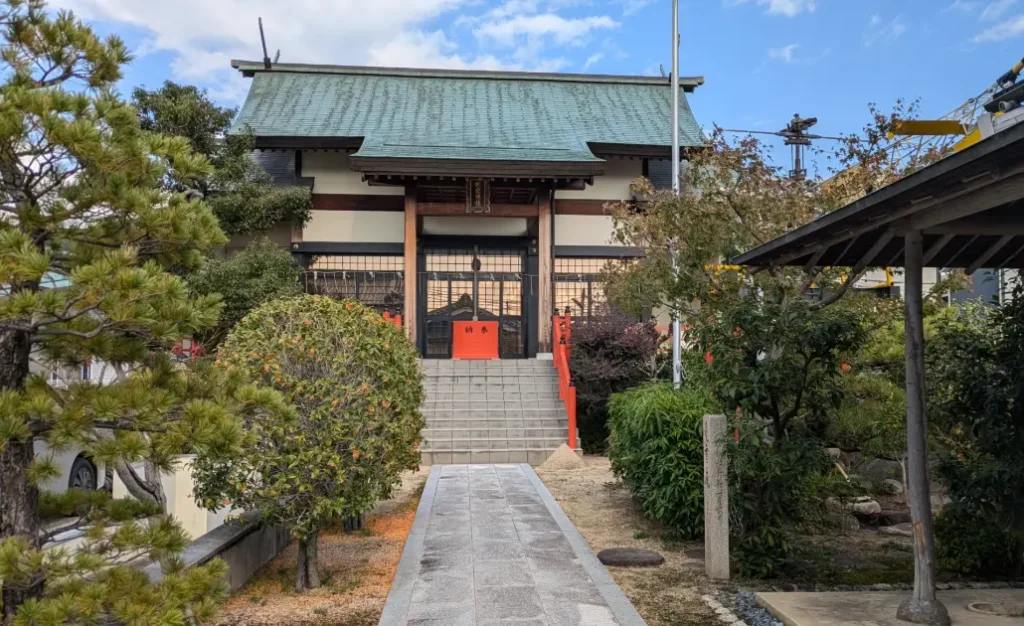
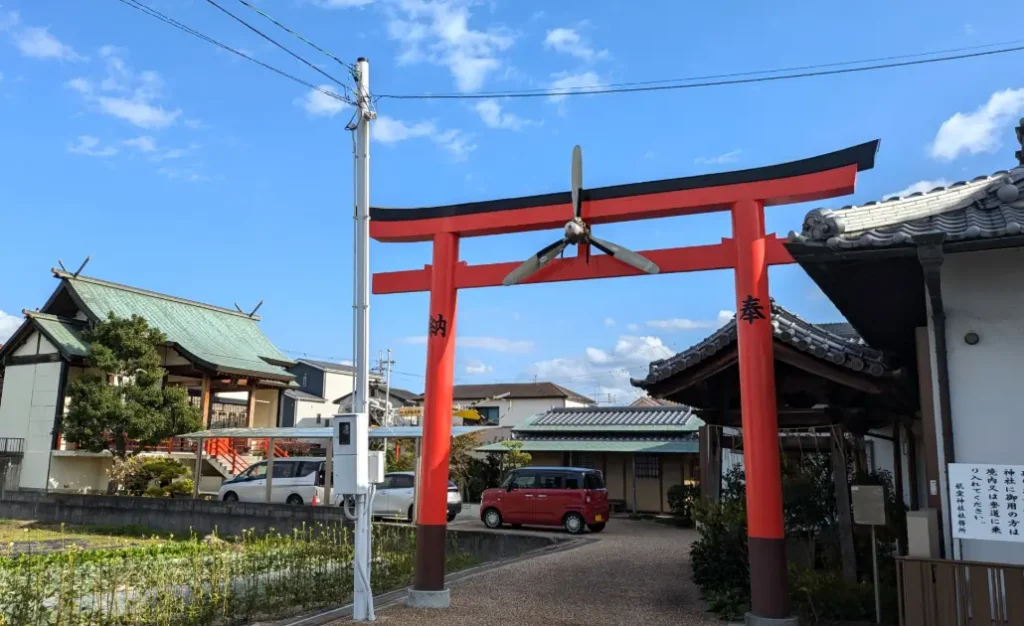
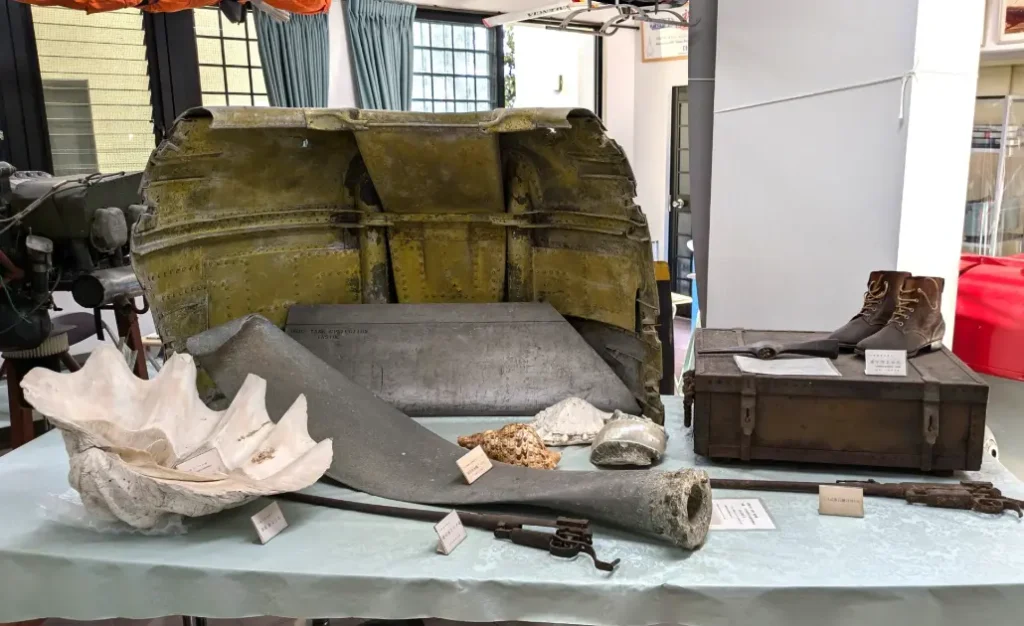
Propellers, aircraft body components, pilot gear, flight instruments, and many other aviation-related exhibits are on display.
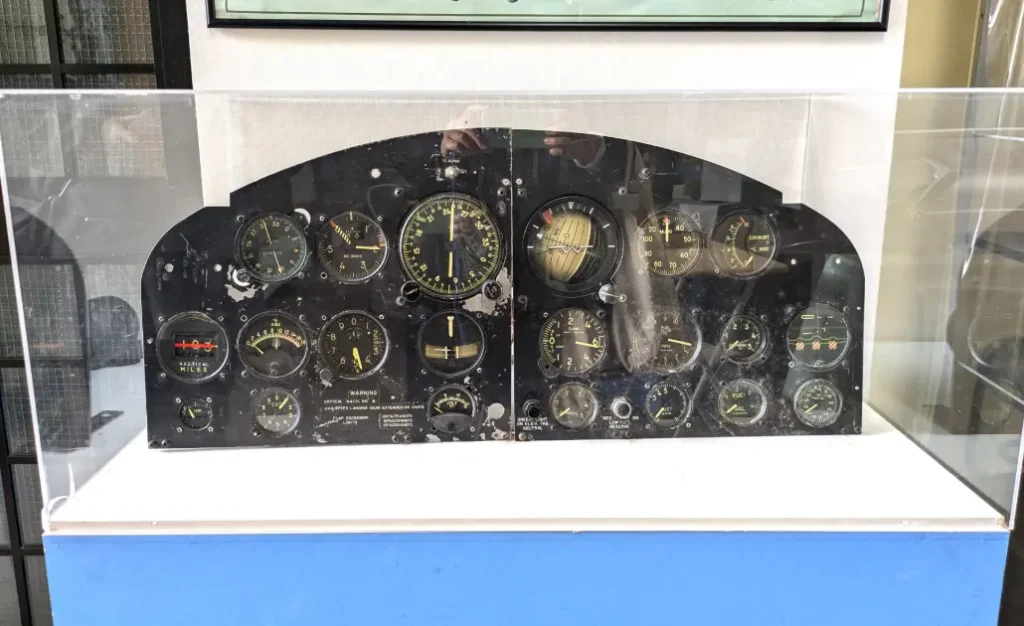
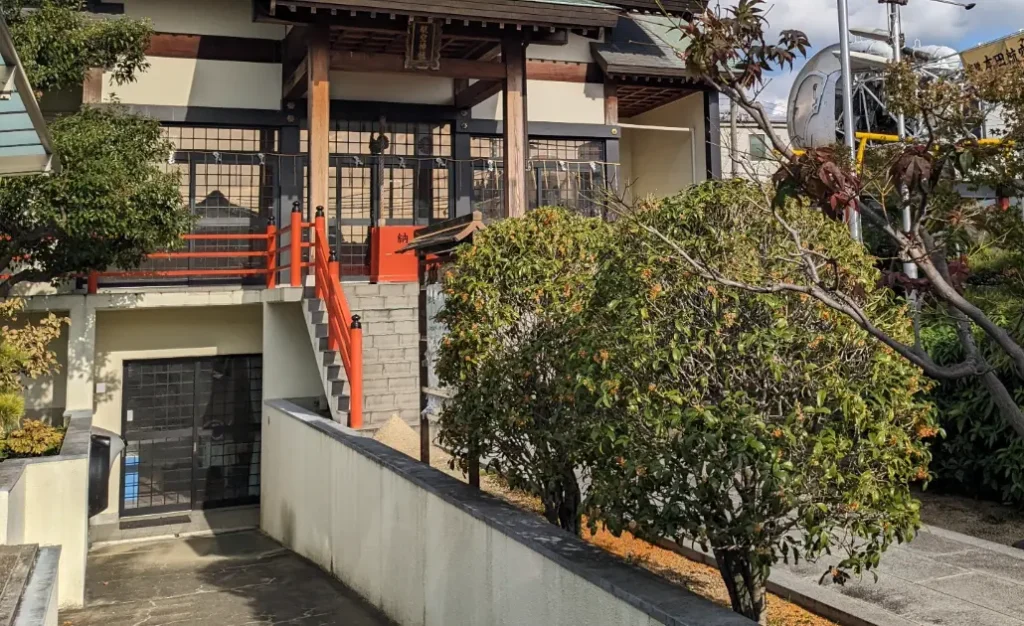
Museum Entrance and Interior.
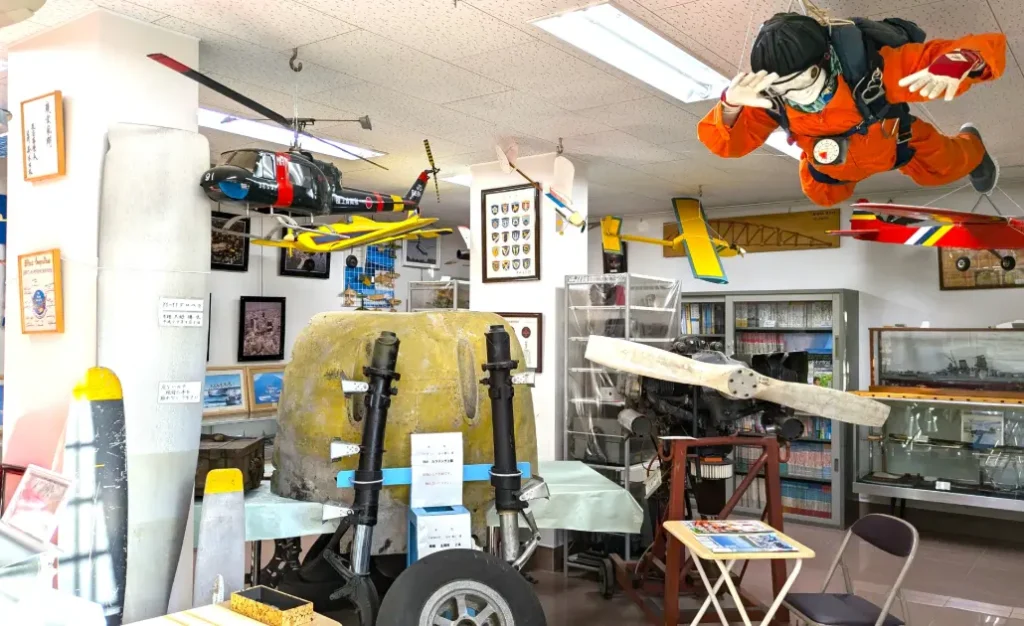
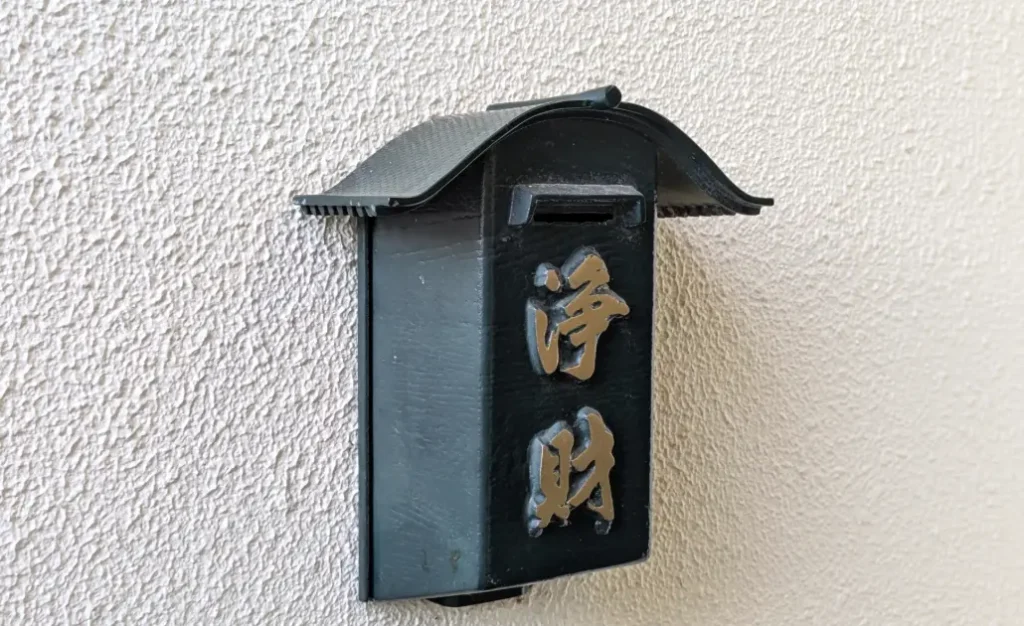
※ Admission to the museum is free. Donations to the Jōzaibako (浄財箱 / donation box) are appreciated to help support facility maintenance.
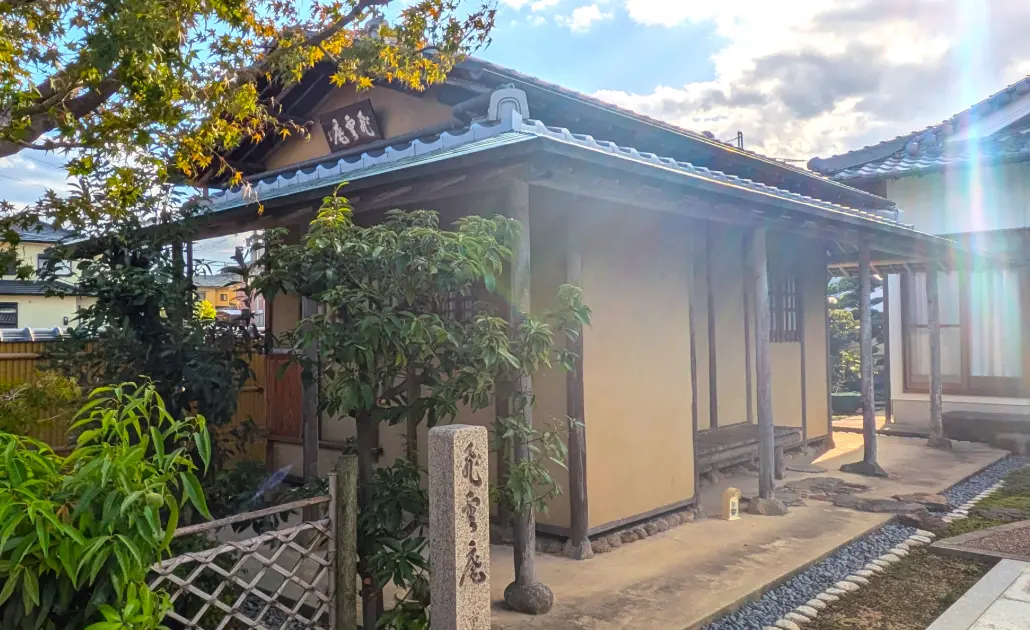
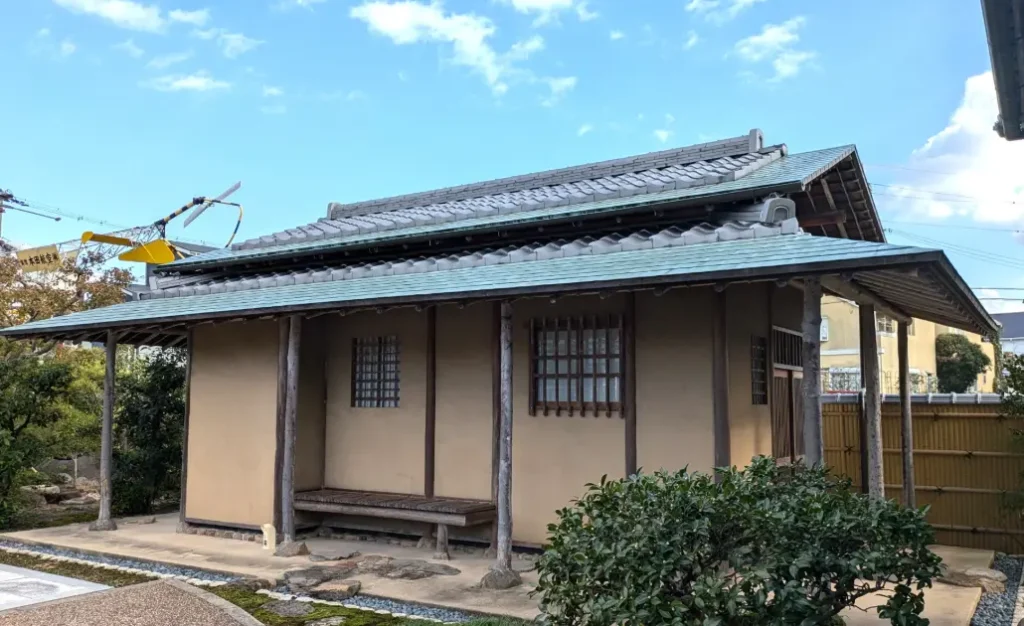
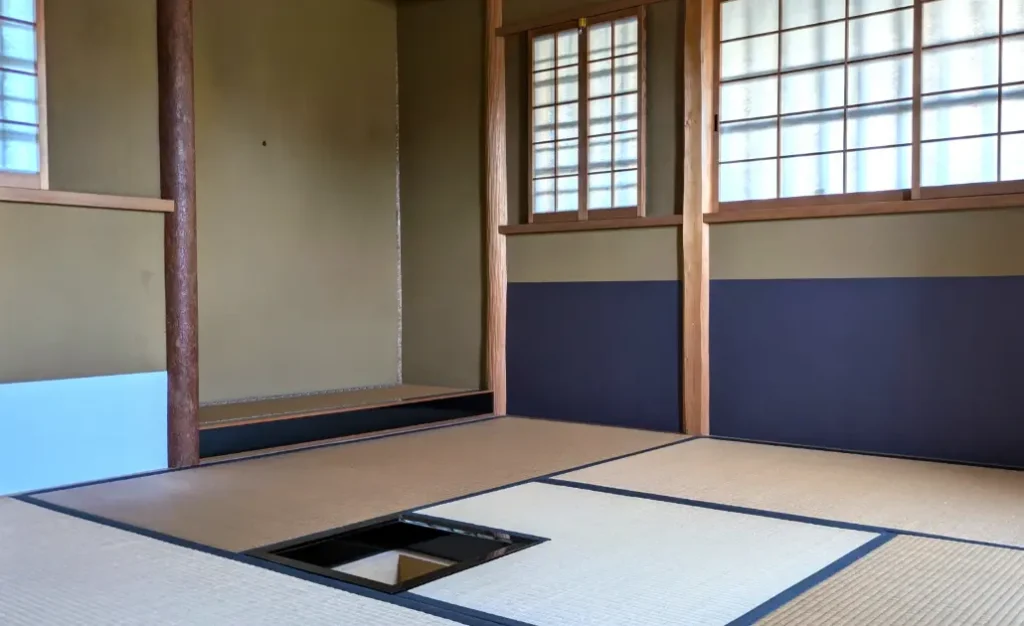
🍵 Tea Room — Hiun-an (茶室 飛雲庵)
During the annual festival on September 20, which celebrating Sky Day (空の日 / former Aviation Day), a special tea ceremony is held here.
The tea room was named in 1985 by Hōunsai, the 15th grand master of the Urasenke tea school.
✍️ Ryūgyoku Calligraphy Class (龍玉書道教室)
The chief priest, Ryūgyoku Satō—a master calligrapher, Honorary Professor of the Japan Art Calligraphy Academy, and a top-ranking artist in the Sankei International Calligraphy Association—offers a regular calligraphy class held in the Shamusho (社務所) building, the shrine’s administration office.
⭐ Highlights
🎌 Recommended Highlights
Annual Grand Festival — September 20
The Reitaisai (例大祭) is held every year on September 20, Sky Day (空の日 / former Aviation Day).
The festival features Mochi-maki (traditional rice cake tossing) and a public tea ceremony in Hiun-an (飛雲庵) by the Urasenke school.
No reservation is required—visitors and travelers are welcome to join.
🌤 Historical Origin of Sky Day
September 20 is known as the day with the lowest chance of rain in Japan and was officially designated as Sky Day in 1940 (Showa 15).
Before WWII, aviation shows were held nationwide, and the day was celebrated across the country.
The expression “Kōkū Nippon” (航空日本 / “Aviation Japan”) was popularized during that era.
🚀 Looking Toward the Future
Japan—having developed through industries such as shipbuilding, automobiles, and electronics—is now moving into the aerospace era.
At SENSHU Aviation Shrine, the annual festival nurtures the dreams of younger generations and promotes aviation culture, continuing the tradition of prayers to the sky together with the local community.
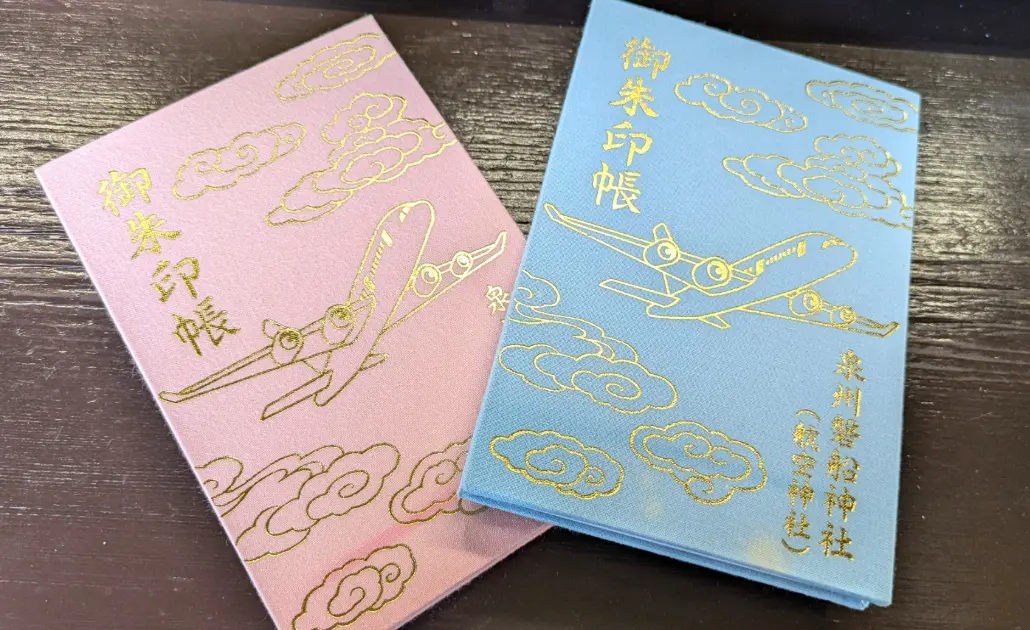
🖌️ Goshuincho (御朱印帳 / Shrine Stamp Book)
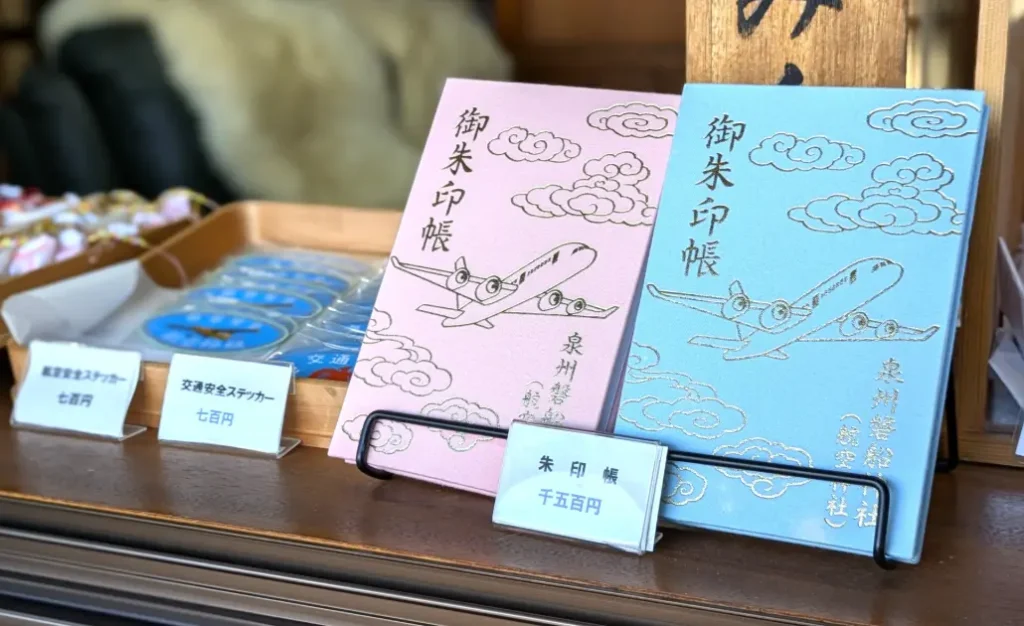
The original Goshuincho at SENSHU Iwafune / SENSHU Aviation Shrine is designed by the current chief priest, featuring printed motifs based on his own hand-drawn artwork. Each book is truly one of a kind.
Its distinctive design and the warmth of the brush strokes make it a meaningful keepsake, especially cherished by aviation professionals and fans.
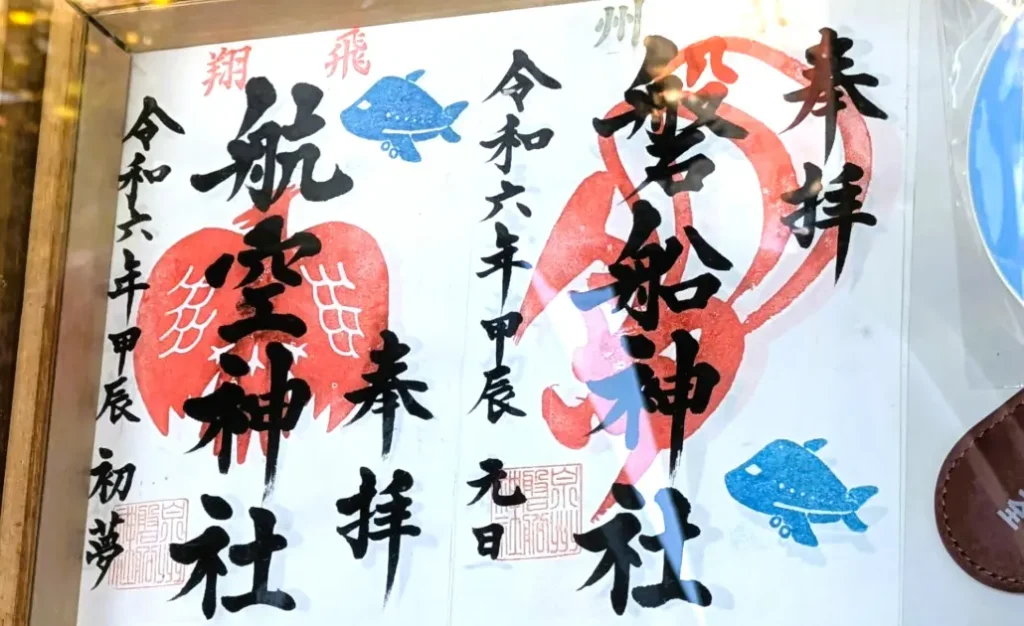
🕊️ Goshuin (御朱印 / Shrine Seal Stamp)
The central motif features the legendary Yatagarasu (八咫烏)—a three-legged crow appearing in Japanese mythology, revered as a divine guide and protector of safe travel.
The same Yatagarasu is also depicted on the ceiling of the shrine hall.
Two types of Goshuin are available:
Iwafune Shrine (磐船神社) — the formal name
Kōkū Jinja (航空神社) — the affectionate name used by visitors
As a shrine dedicated to the god of the sky, these special Goshuin are highly treasured souvenirs.
🎒 Omamori (お守り / Amulets & Charms)
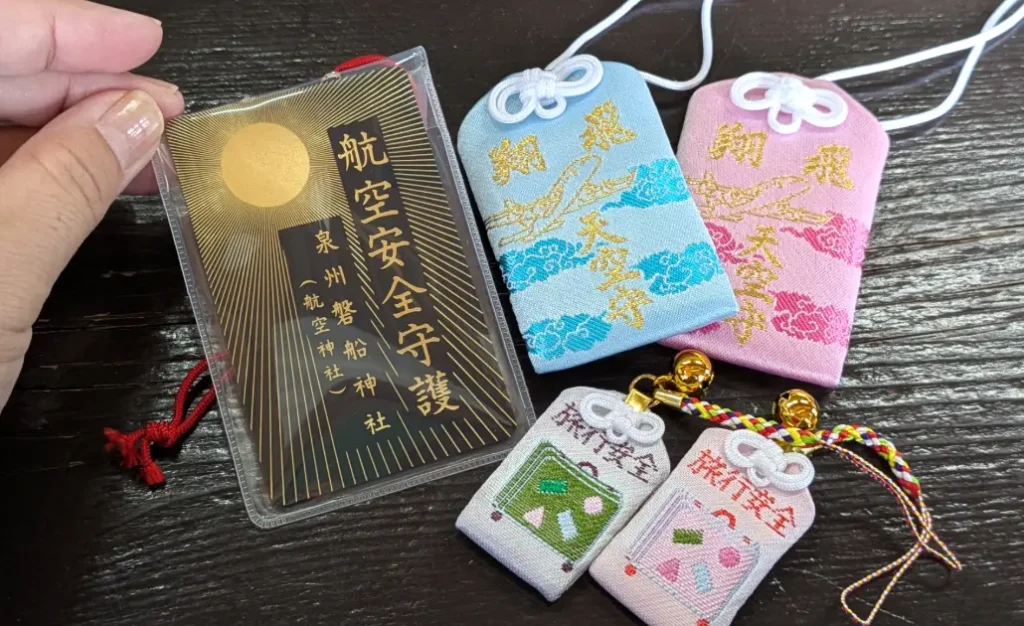
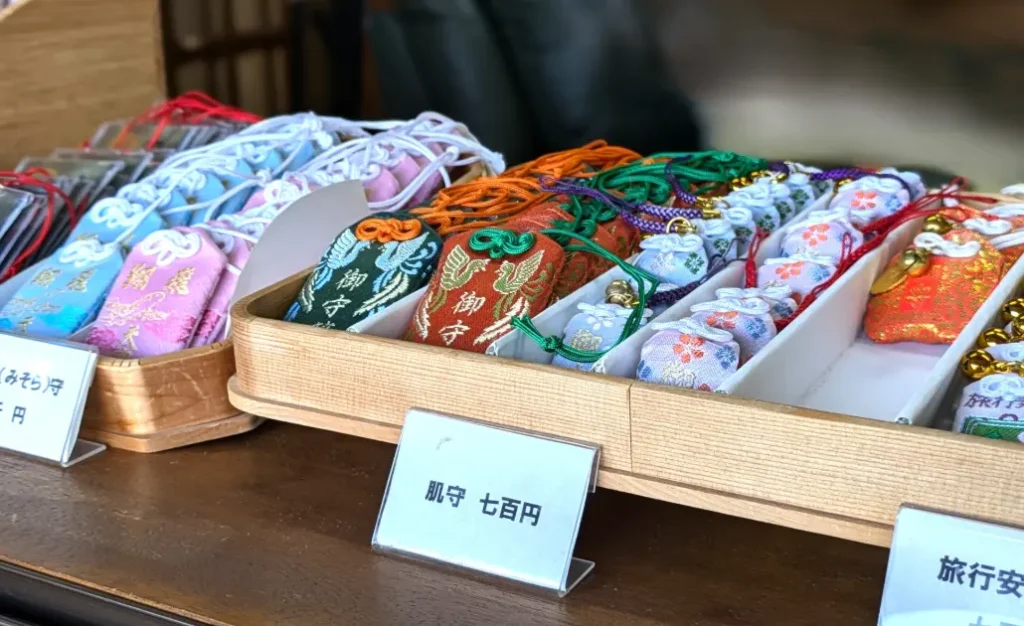
These amulets offer blessings for safe travels and academic success.
One of the most popular items is the aviation safety card-type Omamori, first issued 40 years ago. Designed to be easily carried while flying, it protects those who travel by air—offering prayers for aviation safety, safe journeys, and success in examinations (a play on “not falling,” which symbolizes passing exams).
There is also a well-known story from 1985, in which a traveler’s life was saved after unexpectedly cancelling their flight. Their heartfelt message of gratitude further strengthened the shrine’s reputation as a symbol of prayers for aviation safety.
These amulets are chosen not only for one’s own travels but also as thoughtful gifts for loved ones embarking on a journey or pursuing new dreams.
✈️ Aviation & Traffic Safety Stickers
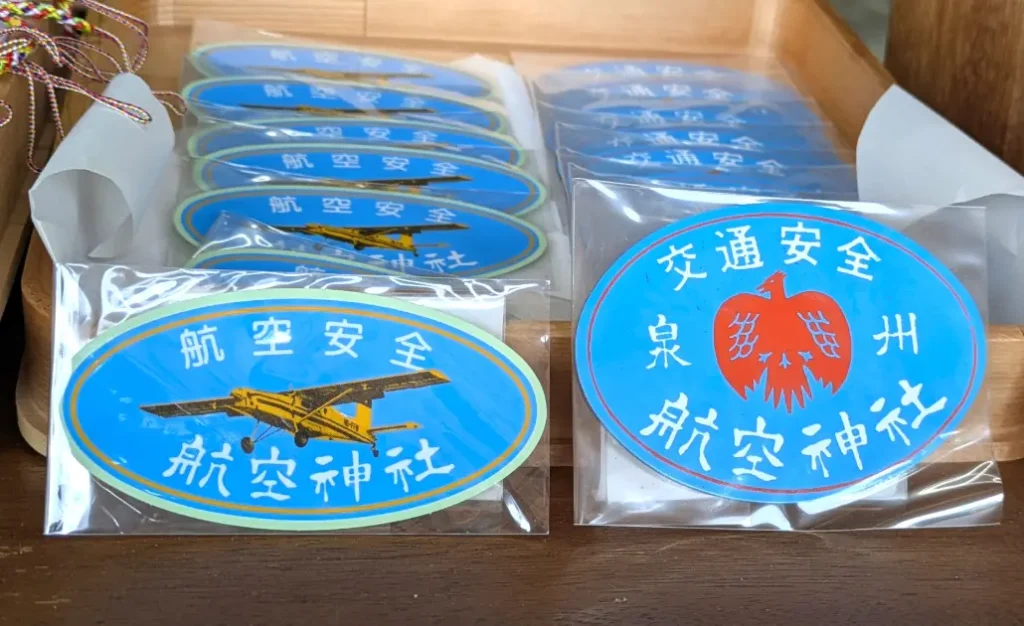
These protective sticker talismans are designed for both aviation safety and traffic safety.
The aviation sticker is made as a thin adhesive type so it does not interfere with aircraft instruments, while the traffic safety sticker is a magnet type, suitable for attaching to cars or motorcycles.
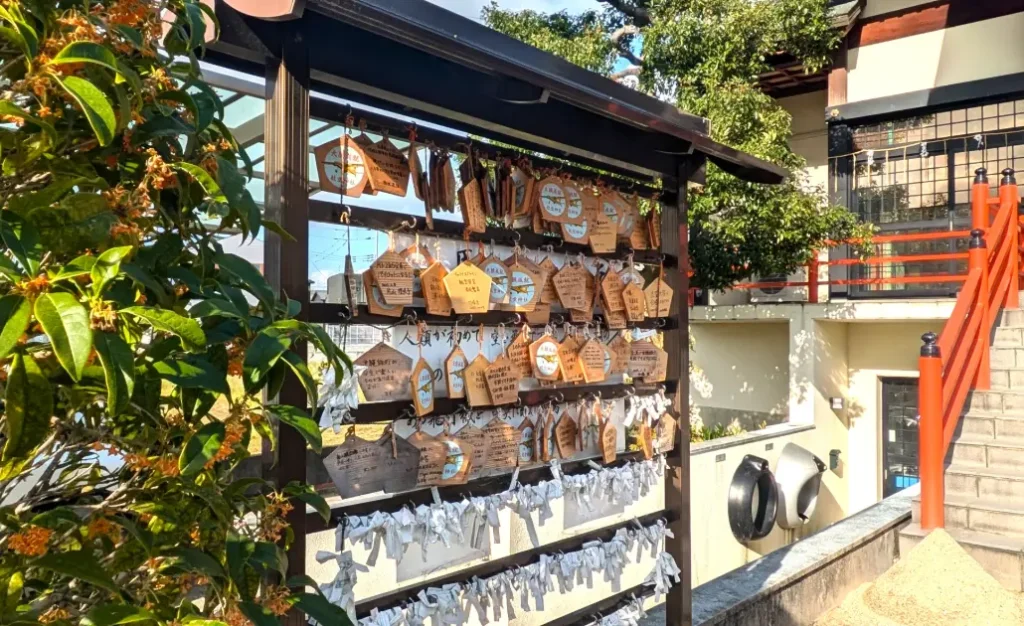
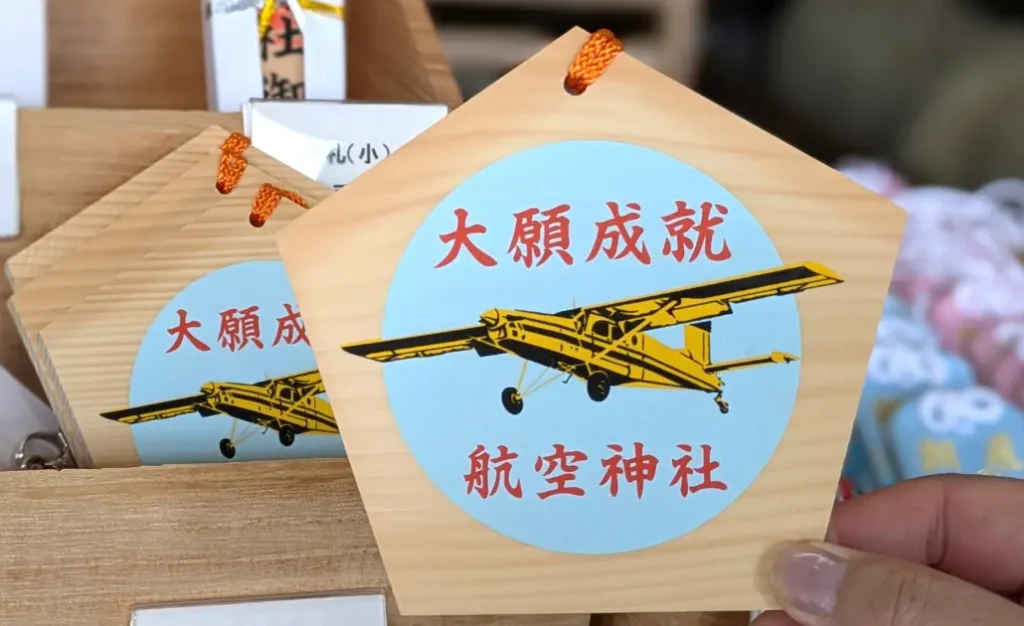
🛩️ Ema (絵馬 / Wooden Wishing Plaques)
Humanity has been flying for just over 100 years—still a brief moment in the span of history.
The airplane-shaped Ema, symbolizing the dream of flight, are chosen by many visitors to express their hopes for the future and their prayers to the sky.
Each dedicated Ema, filled with heartfelt wishes, is offered upward together with the prayers of all who visit.
🎁 Other Items
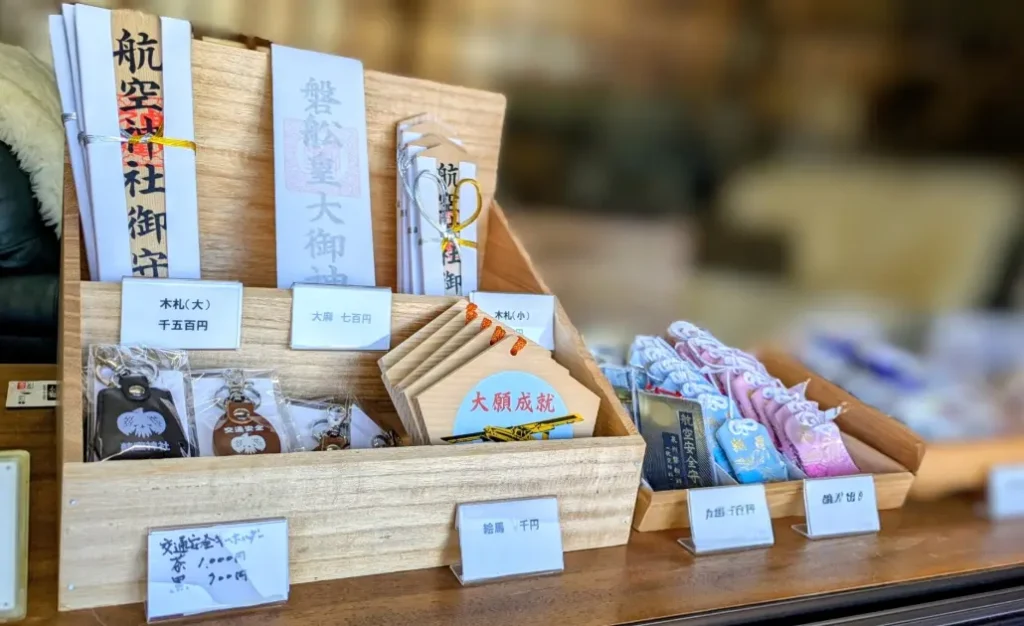
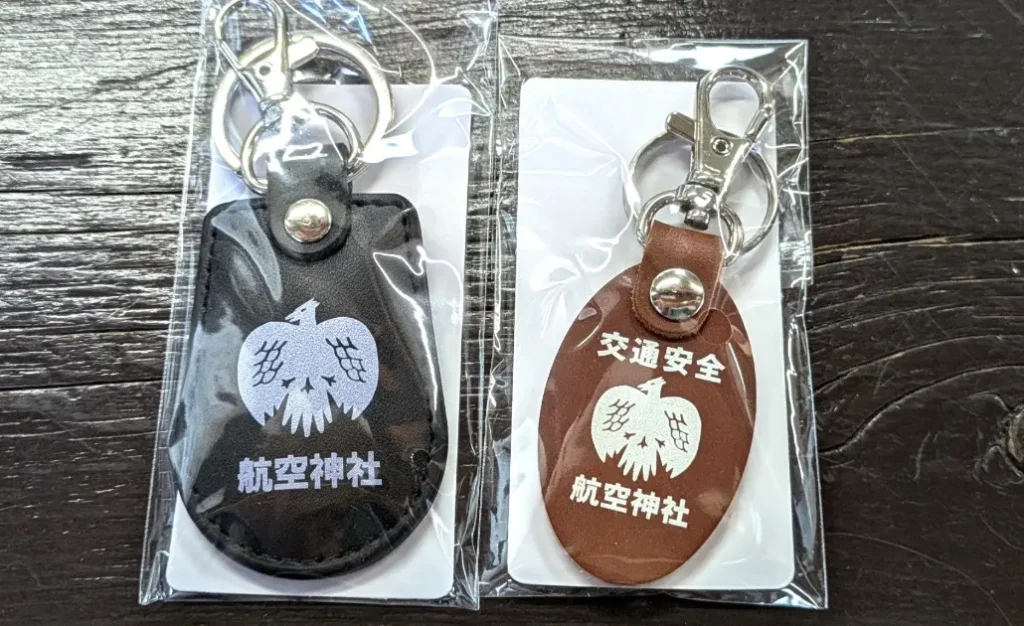
A variety of shrine amulets and talismans are available, including keychain-style Omamori and Kifuda wooden talismans, which can be carried daily for protection and blessings.
🏞️ Recommended Nearby Attractions
 Restaurants / Shrines and Temples / Accommodations, etc.

⛩️How to Worship at Shrines and Temples
MAP

Comment