

Inland Area
Walk Along the 800-Year-Old Yukawa Irrigation Canal in Izumisano
Inland Area

Walk Along the 800-Year-Old Yukawa Irrigation Canal in Izumisano
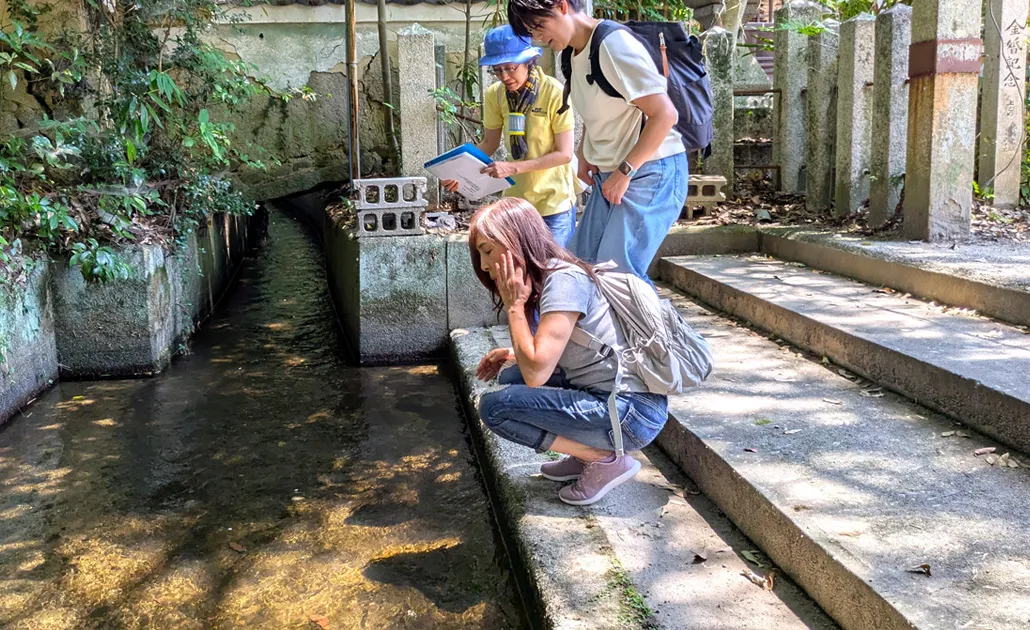
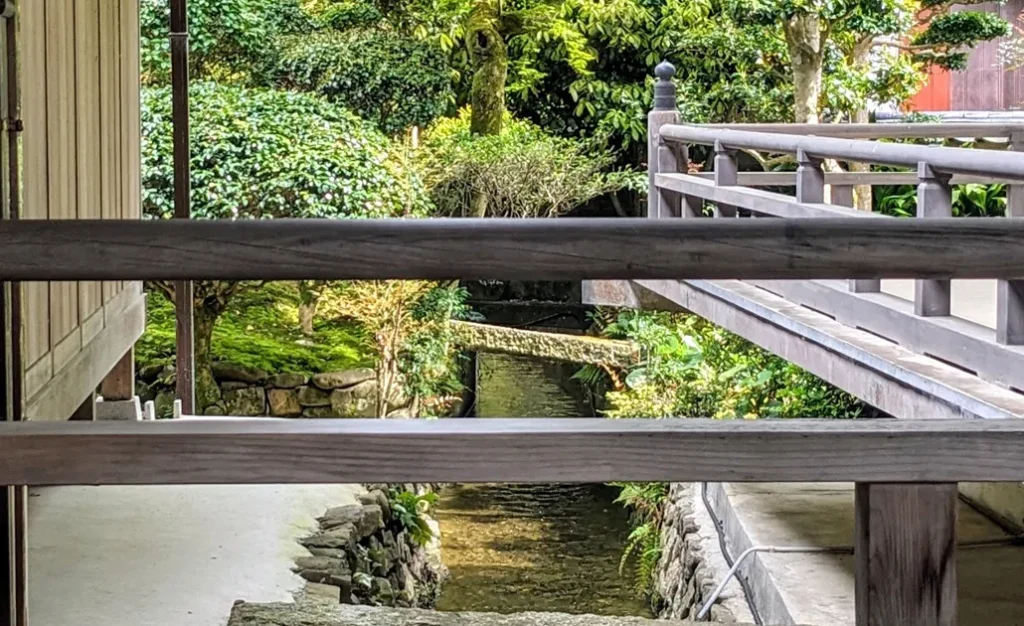
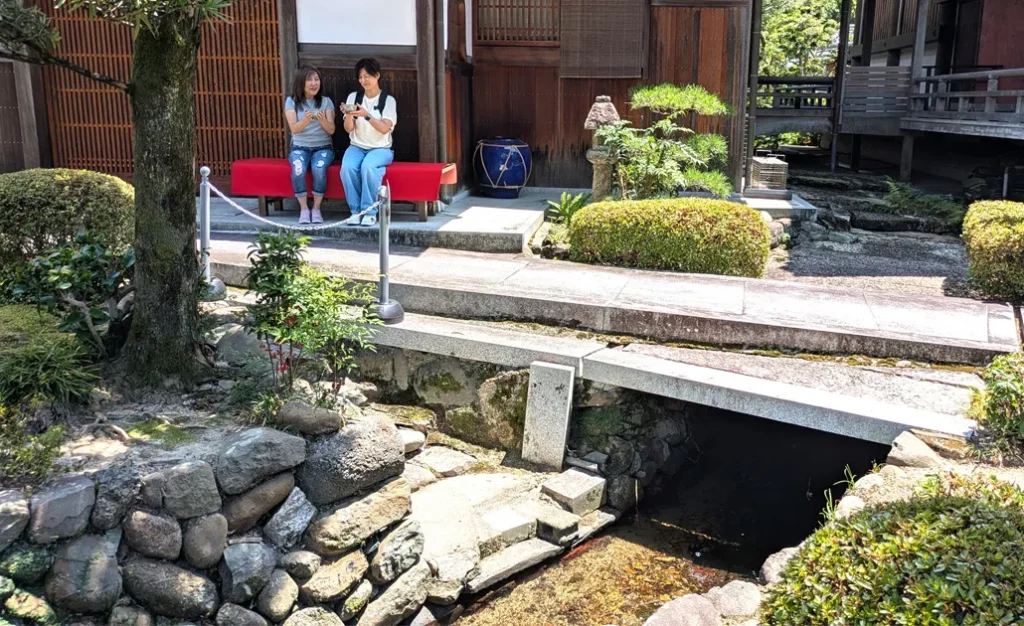

A Walk Through Shrines, Temples, and the Izumisano Countryside
Walk along the Yukawa Irrigation Canal, a Heritage Irrigation Structure.
The Yukawa Irrigation Canal has carried water through this area for around 800 years and still supports local agriculture today. Recognized as a Heritage Irrigation Structure, the canal flows through shrine and temple grounds and into the peaceful rural landscape of Izumisano.
This walking route begins at the canal’s intake point and follows the flow of water through the countryside.
Start with Route Avisiting historic shrines and temples. If you have more time,
continue on Route B for a break at a renovated traditional-house café, or follow Route C all the way to Junidani Pond, the end of the canal.
Choose the route that best fits your schedule and pace.
Highlights
Follow an irrigation canal that has been in use for around 800 years
Discover a Heritage Irrigation Structure that still supports local farming
See the unusual sight of an irrigation canal flowing through shrine and temple grounds
Walk through the peaceful countryside of Izumisano
Following the water on foot offers a different way to experience Izumisano—connecting its history, agriculture, local communities, and landscapes.
⚠️ A Note for Visitors
The Yukawa Irrigation Canal flows through residential areas and farmland and remains an important part of the local community and its cultural heritage.
When visiting, please be respectful of local residents. Do not enter private property or farmland, and view the canal only from public roads and other areas open to the public.
Please also avoid loud conversations or staying in one place for long periods. Thank you for helping us respect the local community.
The Yukawa Irrigation Canal flows through residential areas and farmland and remains an important part of the local community and its cultural heritage.
When visiting, please be respectful of local residents. Do not enter private property or farmland, and view the canal only from public roads and other areas open to the public.
Please also avoid loud conversations or staying in one place for long periods. Thank you for helping us respect the local community.
【Full Route Map】
Starting from the Yukawa Irrigation Canal, choose Route A, B, or C based on your available time and preferred walking distance.
→ A | Start with this route
A basic route visiting shrines, a temple, and a National Treasure site
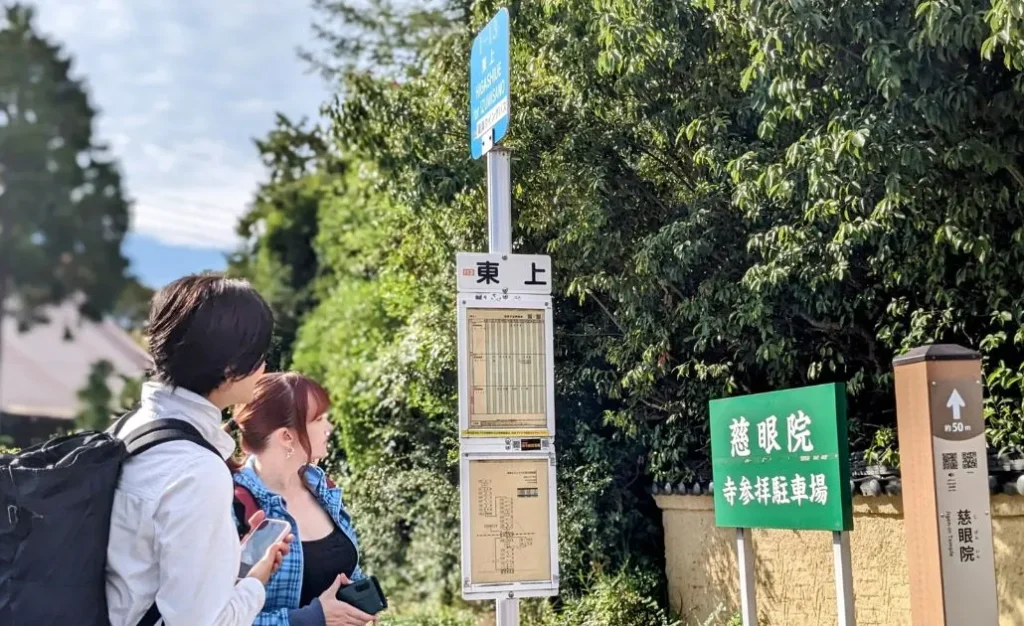
Return: Take a bus from Higashiueno (Jigen-in-mae) Bus Stop to the station
→ B | If you’re ready to walk a little farther
Follow the Yukawa Irrigation Canal to a café in a renovated traditional Japanese house
Return: Take a bus from Kunoki Bus Stop to the station
→ C | For a longer walk
Walk through the countryside to Junidani Pond, the end of the Yukawa Irrigation Canal
Return: Take a bus to JR Hineno Station or Nankai Izumisano Station
A | Basic Route
Approx. 3 hours | 3 km | Approx. 1 hour of walking
Start at Furukawabashi, the intake point where the Yukawa Irrigation Canal begins. Follow the canal while visiting historic shrines and temples. If you have more time, continue on to Route B or C.
 Nankai Izumisano Station / JR Hineno Station
↓🚌 Bus bound for Inunaki-san
 Tsuchimaru Bus Stop
↓ Walk
 Yukawa Irrigation Canal Intake (Furukawabashi)【START】
↓ Walk
 Oiseki Park (Roji Gorge)
↓Walk
 Hine Shrine
↓Walk
 Jigen-in Temple
↓Walk
 Higashiueno (Jigen-in-mae) Bus Stop → 🚌 JR Hineno Station / Nankai Izumisano Station
B | Continue to a Traditional-House Café
From Route A: an additional 1.2 km | Approx. 20 minutes on foot + café break
From Jigen-in Temple, continue walking along the Yukawa Irrigation Canal.
Jigen-in Temple
↓Walk
 Sofukuji Temple & Tenmangu Shrine
↓ Walk
 Irodori Café in a Traditional Japanese House (Ichigolah Izumisano)
↓ Walk
 Kunoki Bus Stop → 🚌 JR Hineno Station / Nankai Izumisano Station
C | Continue to the End of the Yukawa Irrigation Canal
Approx. 4 km | Approx. 1 hour 20 minutes on foot
From Irodori, continue toward Junidani Pond, the end of the Yukawa Irrigation Canal.
Irodori Café in a Traditional Japanese House
↓Walk
Kunoki Bus Stop
↓ Walk
 Stone-paved paths
↓ Walk
 Junidani Pond (End of the Yukawa Irrigation Canal)【Yukawa Irrigation Canal – GOAL】
↓Approx. 20-minute walk
 JR Hineno Station

Getting Around | Bus & Walking
※ Buses in this area generally run about once an hour. Check the timetable before starting your trip.
※ Bus routes 721, 722 and 723 travel via JR Hineno Station. Route 724 terminates at Hineno Station and does not continue toward
————-Nankai Wing Bus Timetables————-
【Outbound】
Nankai Izumisano Station→ Tsuchimaru Bus Stop
Timetable
JR Hineno Station→ Tsuchimaru Bus Stop
Timetable
【Return】
Timetable
View Details
After Route A: Higashiueno (Jigen-in-mae) Bus Stop
After Route B: Kunoki Bus Stop
After Route C: JR Hineno Station
※The information shown is based on weekday bus schedules. Bus services are limited, so please check the latest timetable before your trip.
———————————————————————–
START
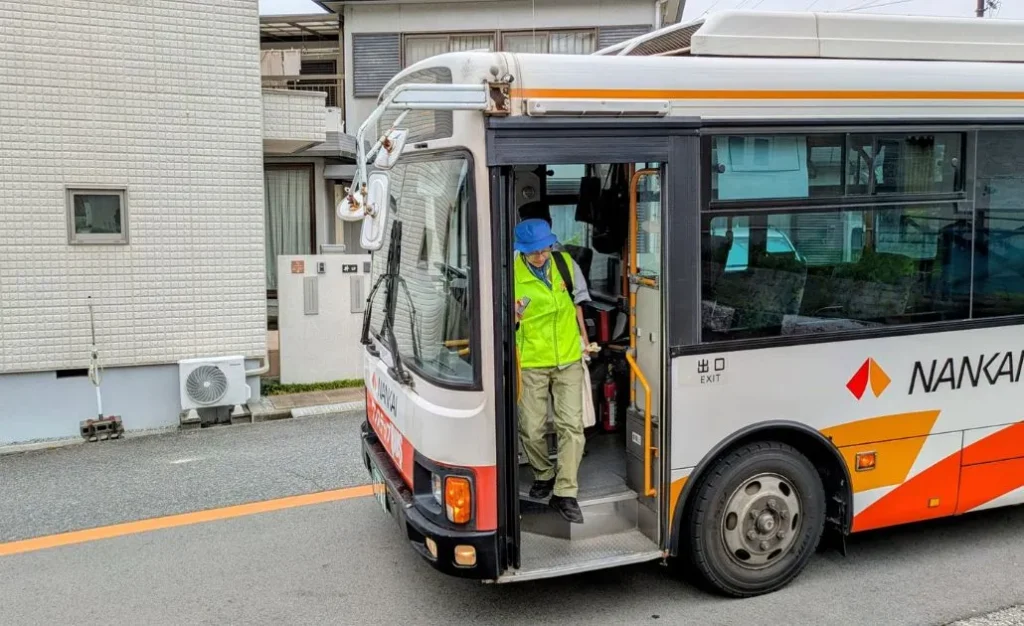
Take a Bus to Tsuchimaru from Nankai Izumisano Station or JR Hineno Station
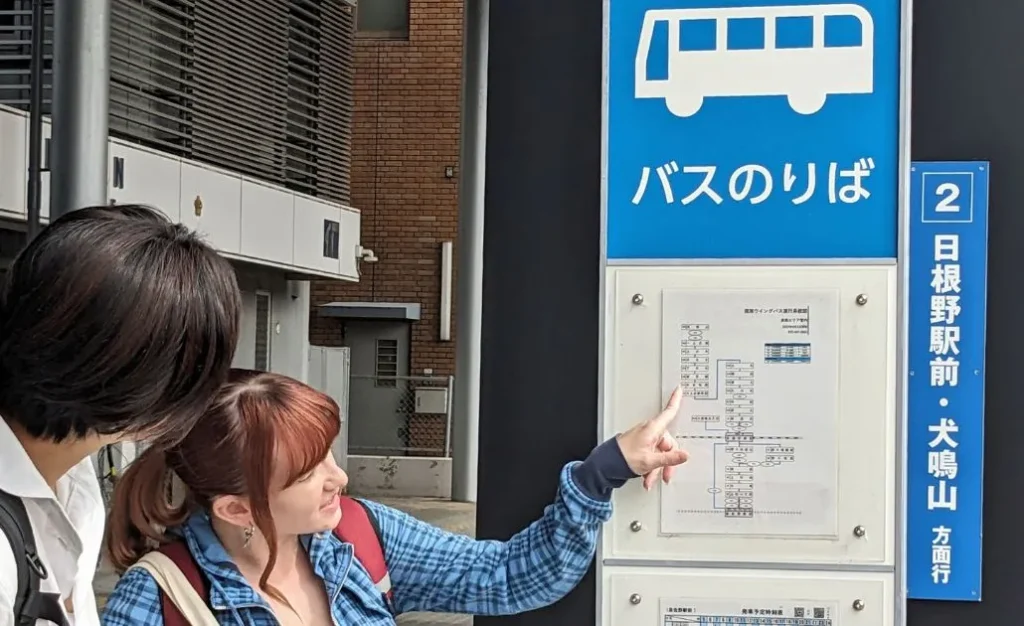
 From Nankai Izumisano Station: Approx. 20 minutes by bus
From JR Hineno Station: Approx. 9 minutes by bus

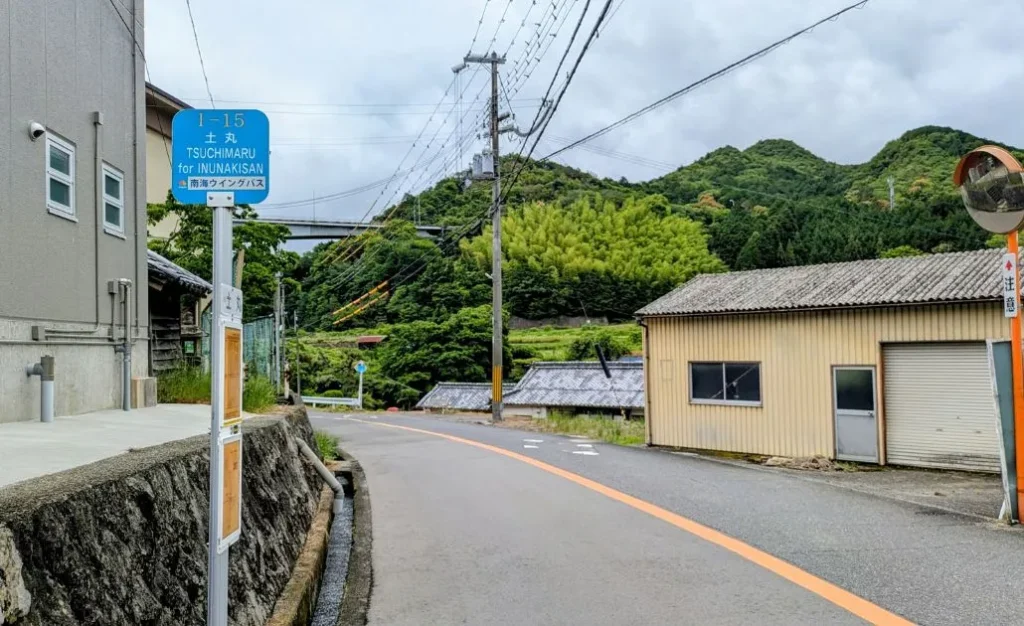
Get off at Tsuchimaru Bus Stop
From here, walk to Furukawabashi, the intake point where the Yukawa Irrigation Canal begins.
It is about a 10-minute walk from the bus stop. Enjoy the peaceful countryside scenery along the way.
💡 Before You Start
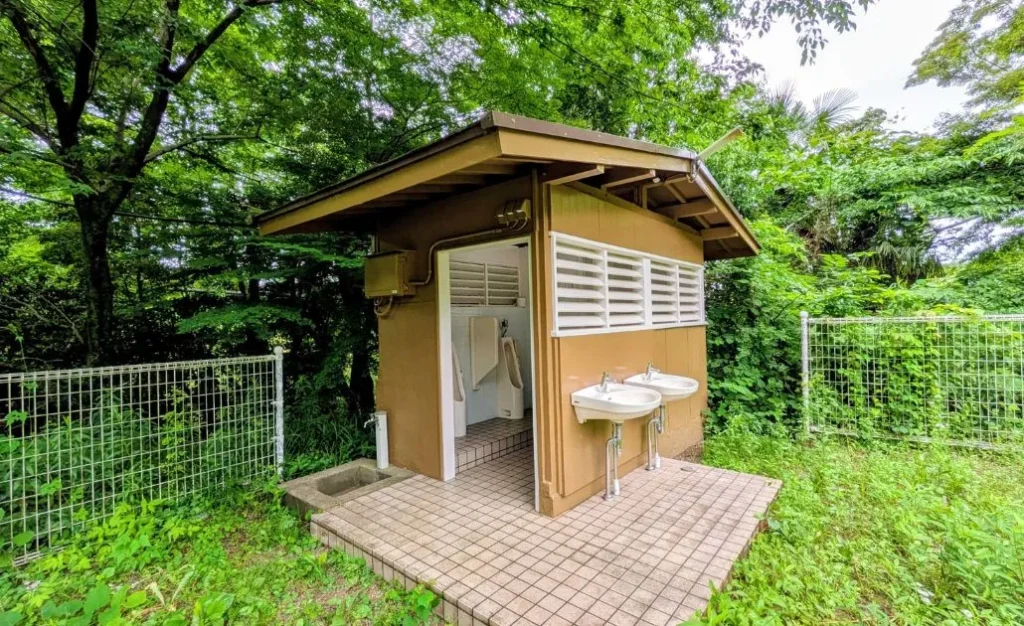
🚻 Public Restroom: Tsuchimaru Children’s Park (approx. 5-minute walk from the bus stop)
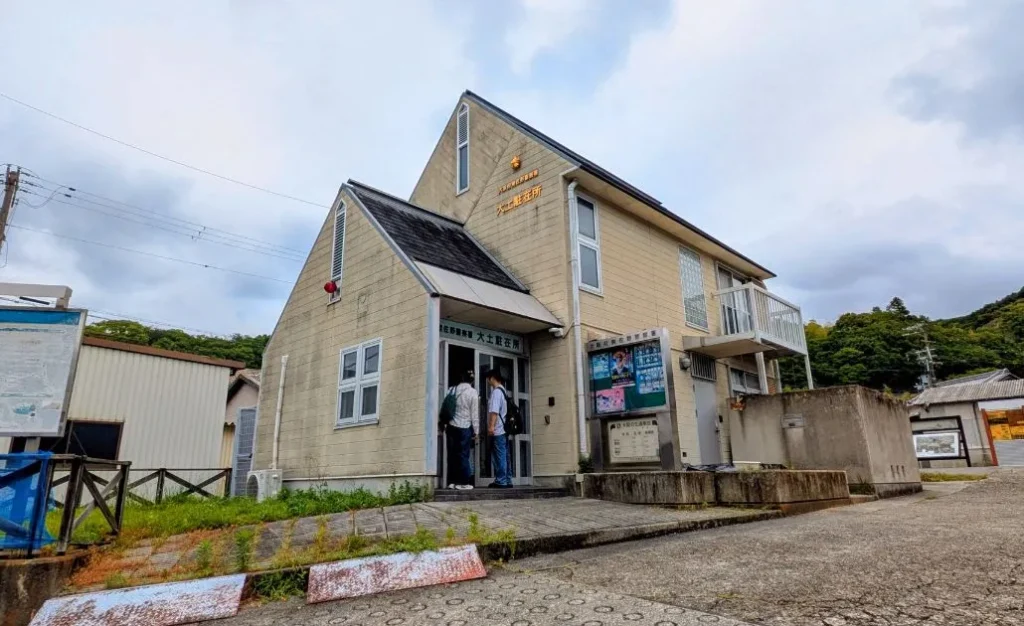
👮 Police Box: Near Tsuchimaru Bus Stop
🚻 Public Restroom: Tsuchimaru Children’s Park (approx. 5-minute walk from the bus stop)
👮 Police Box: Near Tsuchimaru Bus Stop
👆 Route Tip
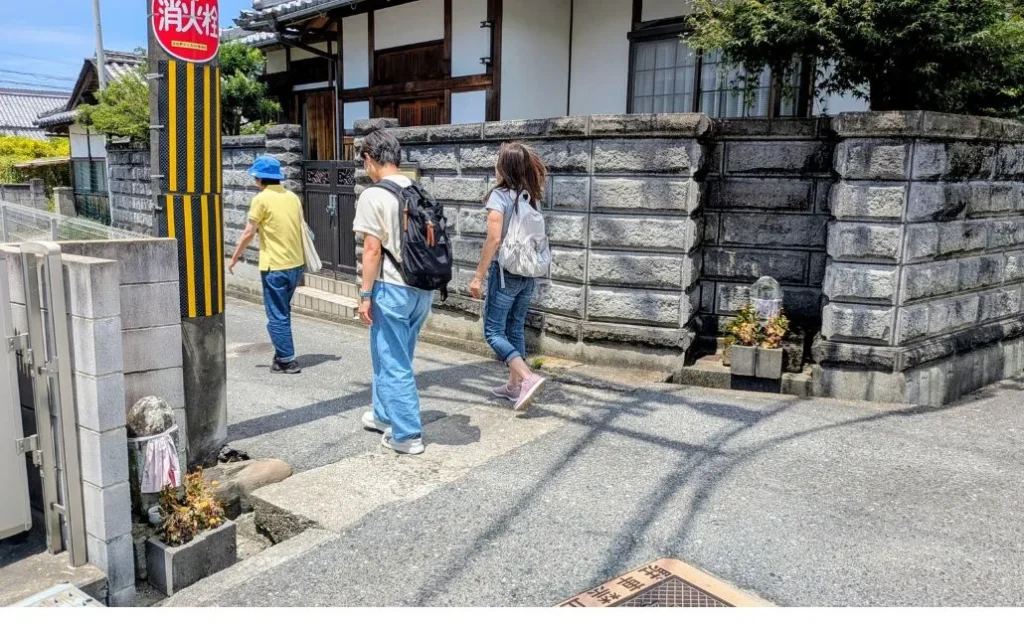
Look for the small Jizo Buddhist statue diagonally across from Tsuchimaru Bus Stop, and turn onto the street beside it.
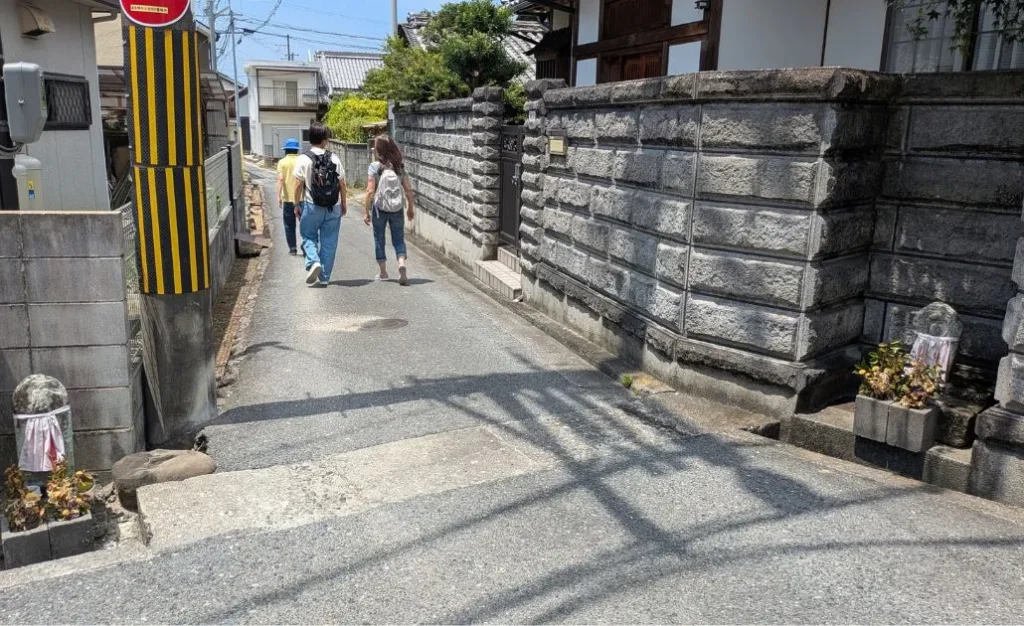
Continue straight with Tateishi Jidosha Shokai on your right.
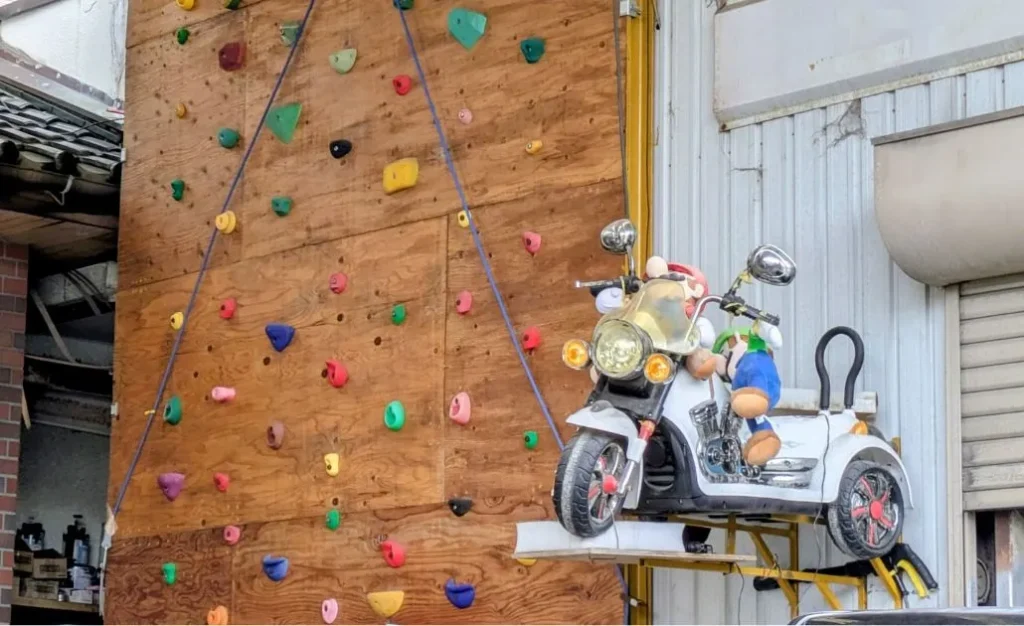

Approx. 10-minute walk
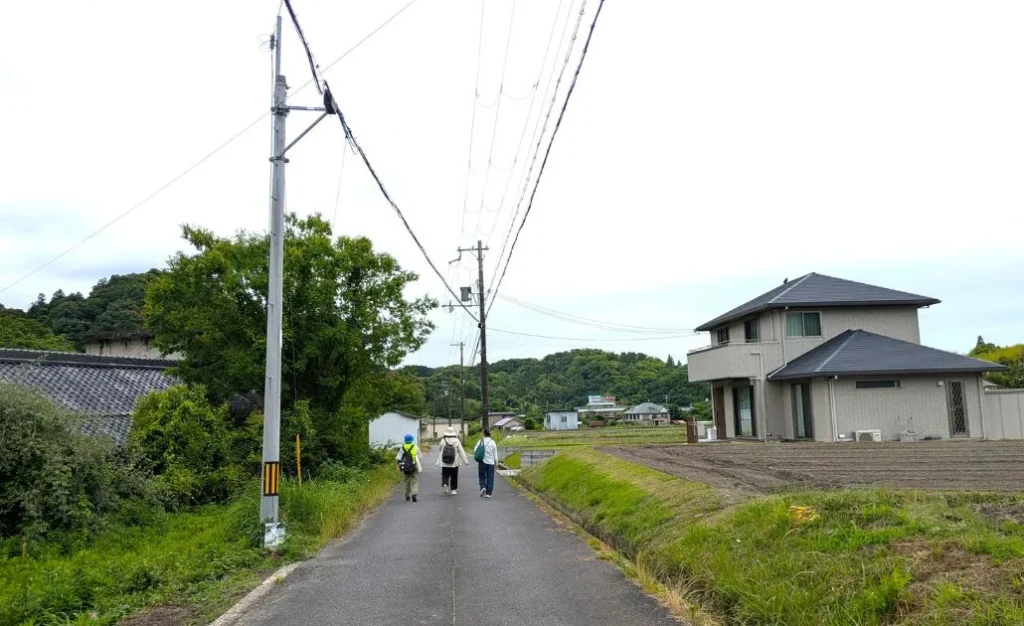
Furukawabashi (Water Intake)【Yukawa Irrigation Canal START】
This water intake diverts water from the Kashii River into the Yukawa Irrigation Canal. It marks the beginning of a waterway that has supported local agriculture for around 800 years.
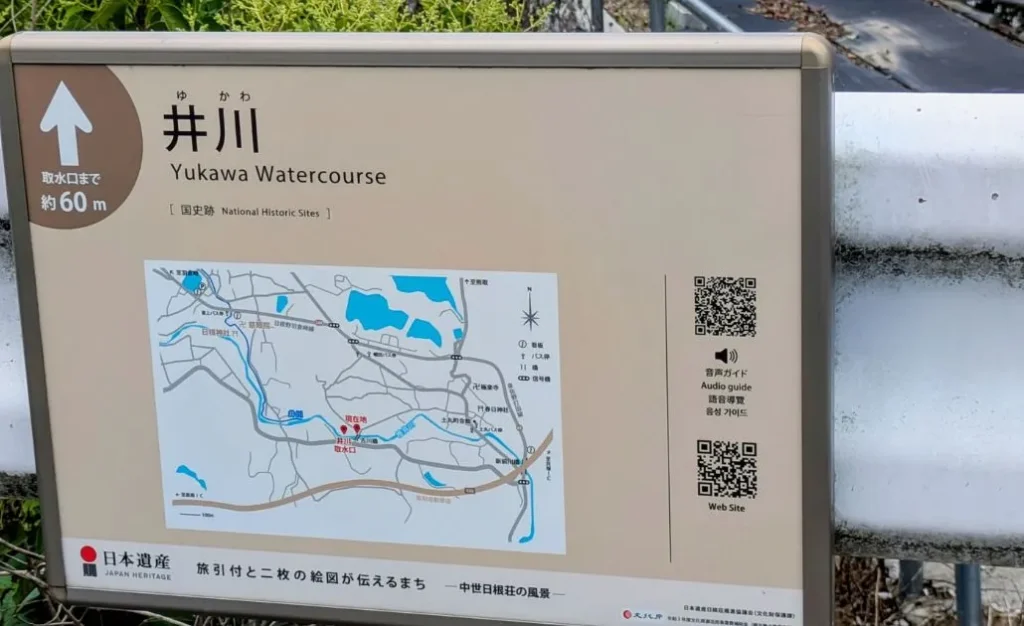
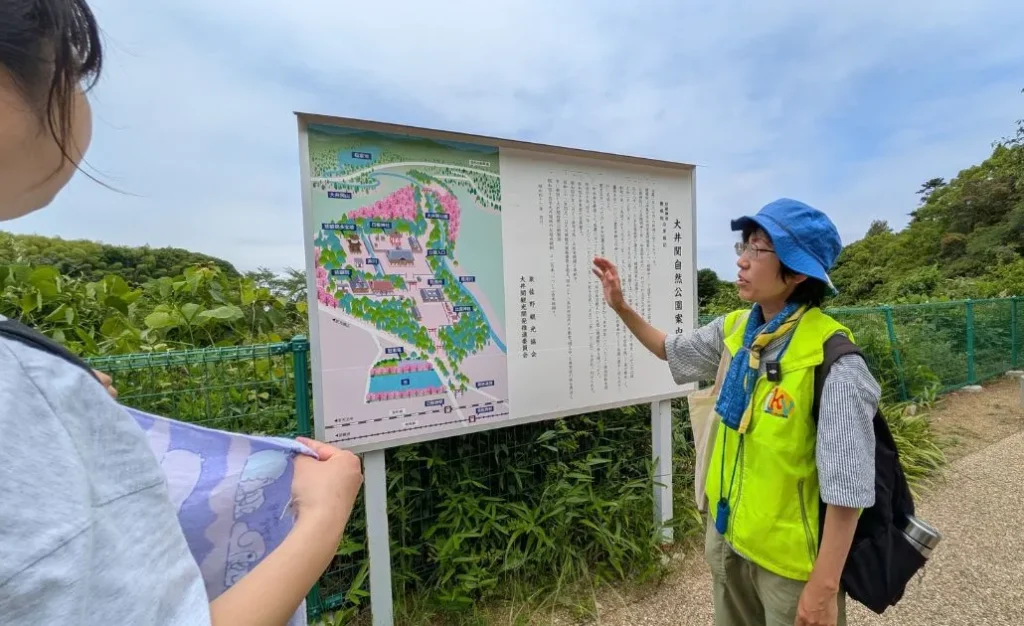
Near Furukawabashi, you’ll find an information board introducing the Yukawa Irrigation Canal. Take a moment to see the overall route before starting your walk.
Walk down the steps to see where water from the Kashii River enters the canal.
Built around 800 years ago, the Yukawa Irrigation Canal was recognized as a Heritage Irrigation Structure in 2022 and is still used for agriculture today.
💡Look Closer
How Water Has Flowed for 800 Years
From the intake to Junidani Pond, the canal uses a very slight difference in elevation to keep the water flowing.
Now, follow the canal on foot and see how this centuries-old waterway continues through the landscape today.
Cross Furukawabashi to the opposite side of the Kashii River.
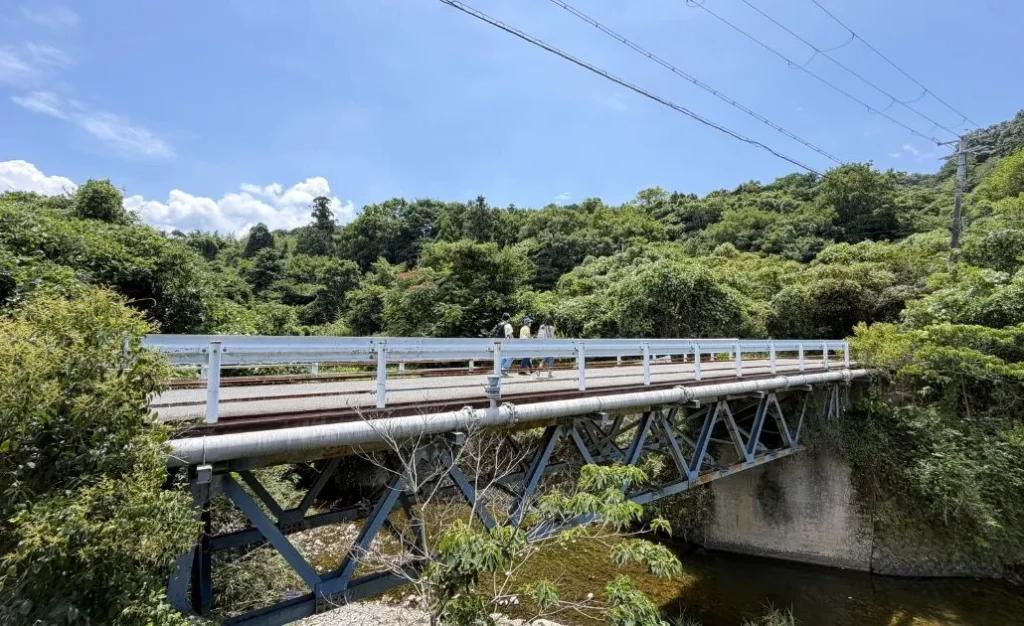
Furukawabashi Bridge over the Kashii River
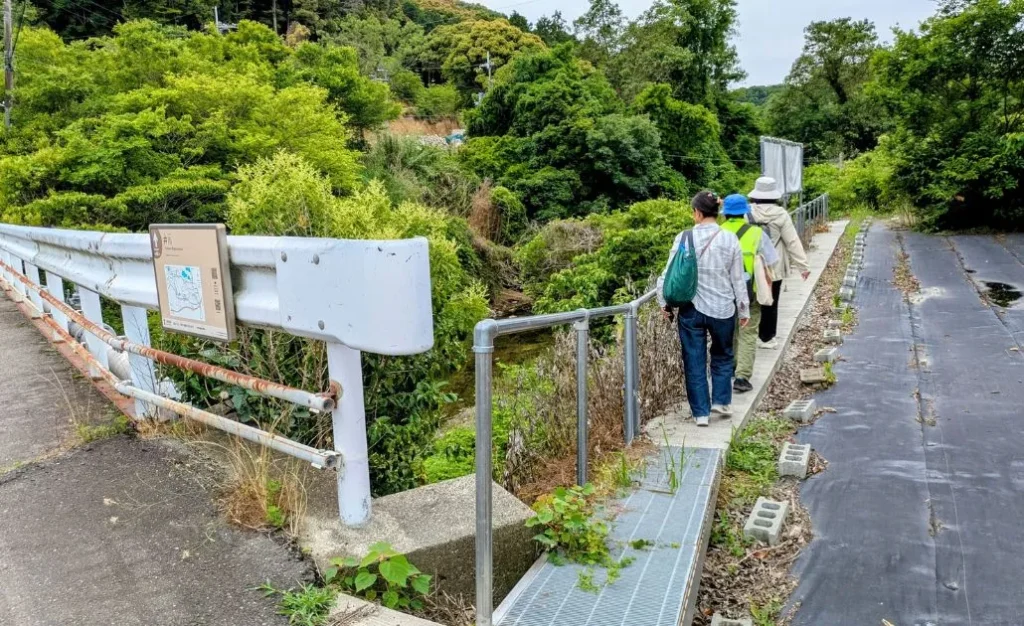
At the fork, turn right and follow the Kashii River.
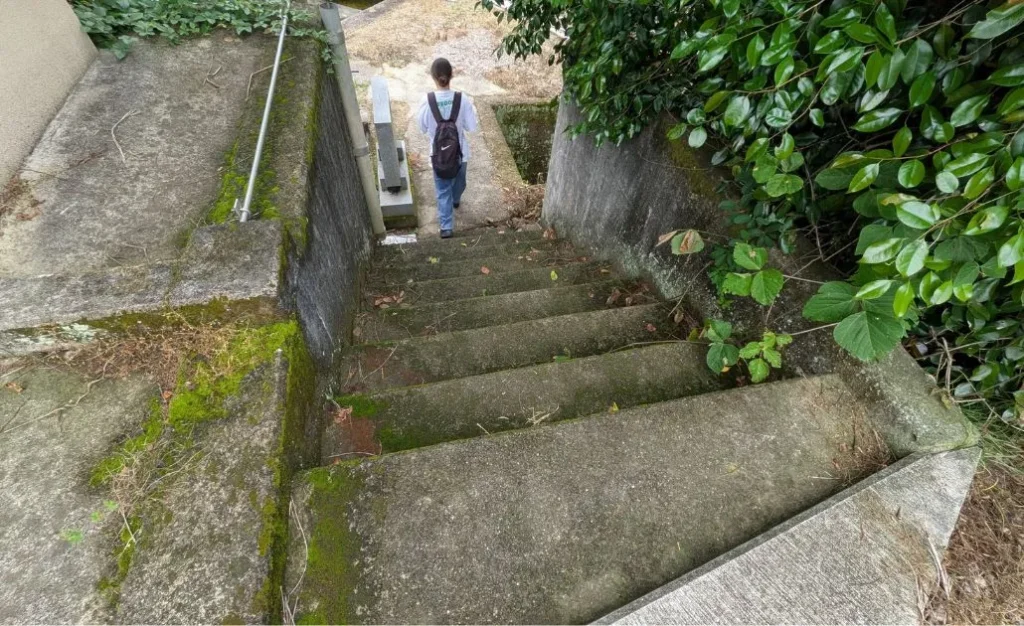
Walk down the steps toward the water intake, listening to the sound of the river.
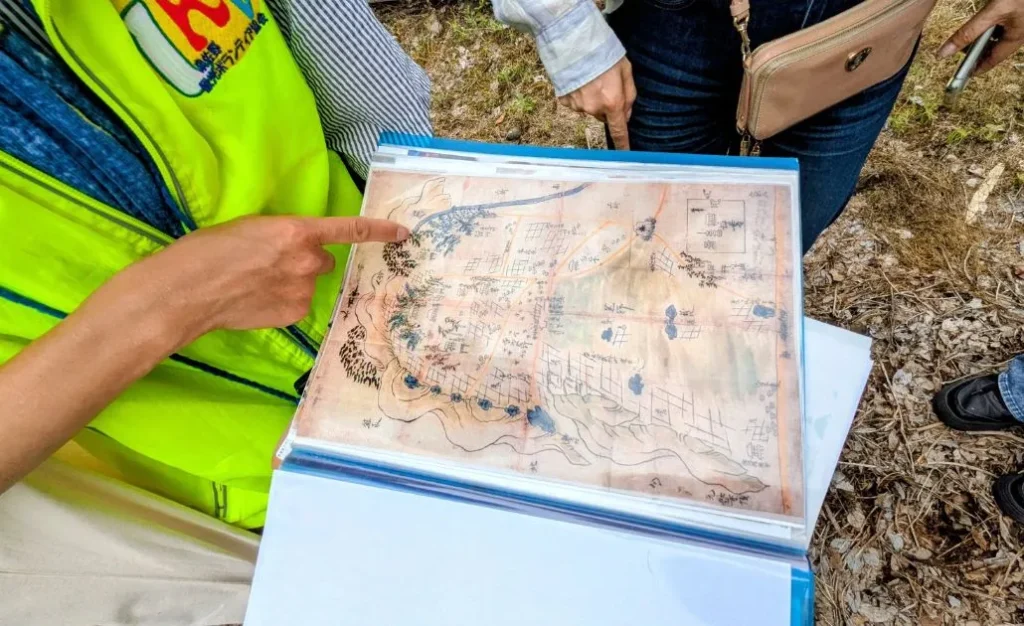
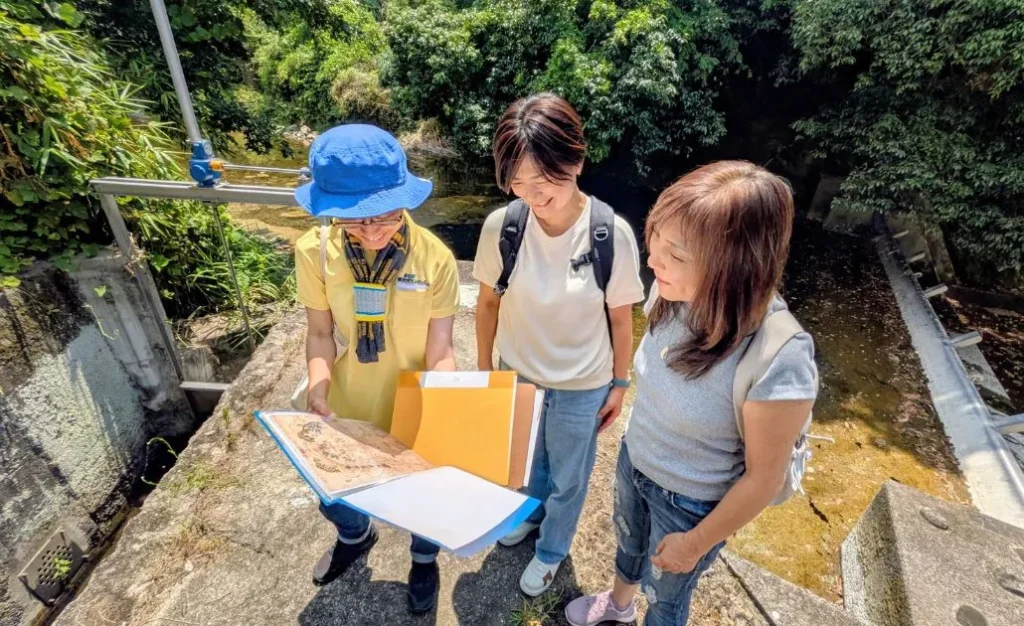
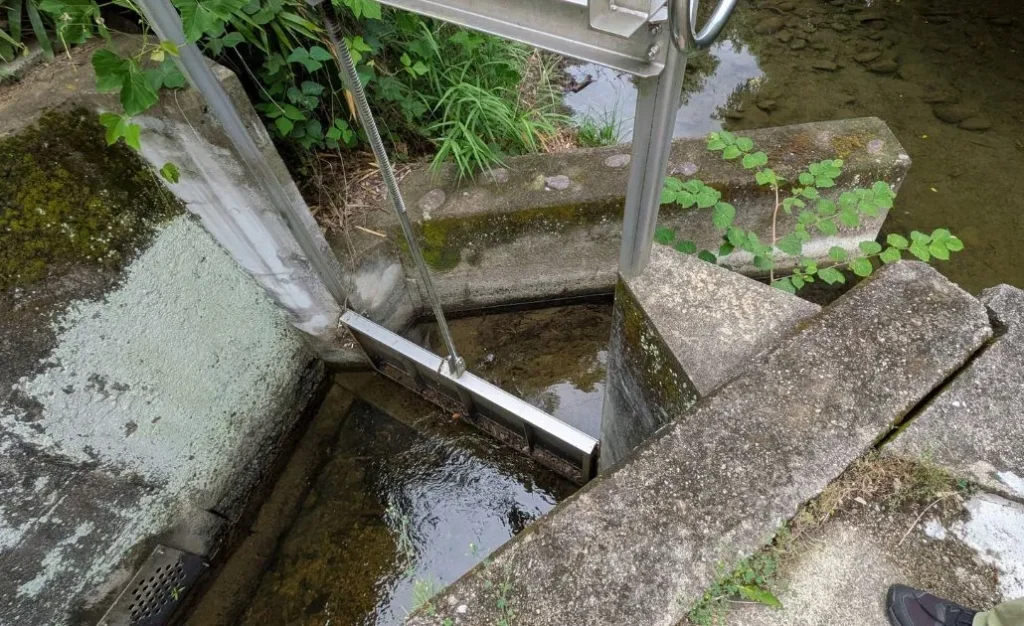
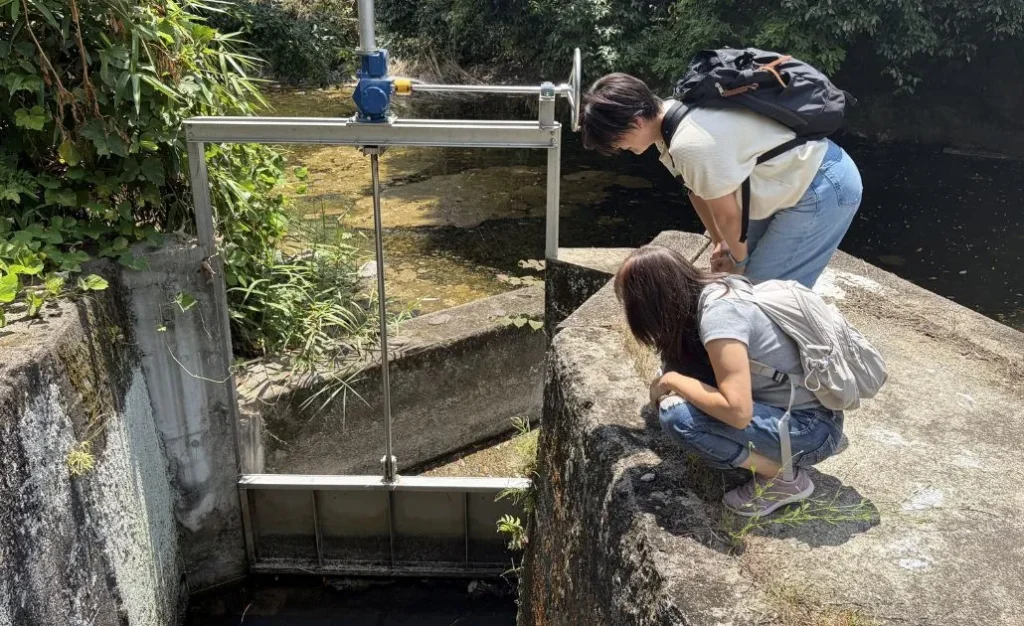
The water intake where water is diverted from the Kashii River into the Yukawa Irrigation Canal.
💡 Learn More About the Yukawa Irrigation Canal
Elevation at the water intake: approx. 55 m
Total length: approx. 2.9 km
Elevation difference from the intake to Junidani Pond: approx. 5 m
The Yukawa Irrigation Canal uses this slight difference in elevation to keep the water flowing.
It shows how people used the natural landscape to manage water around 800 years ago.
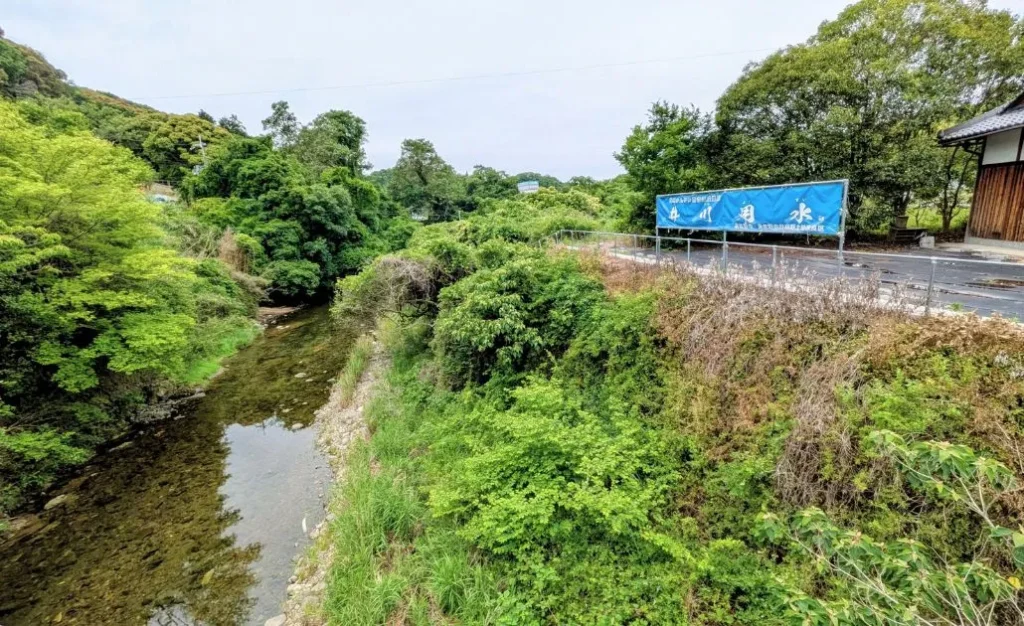
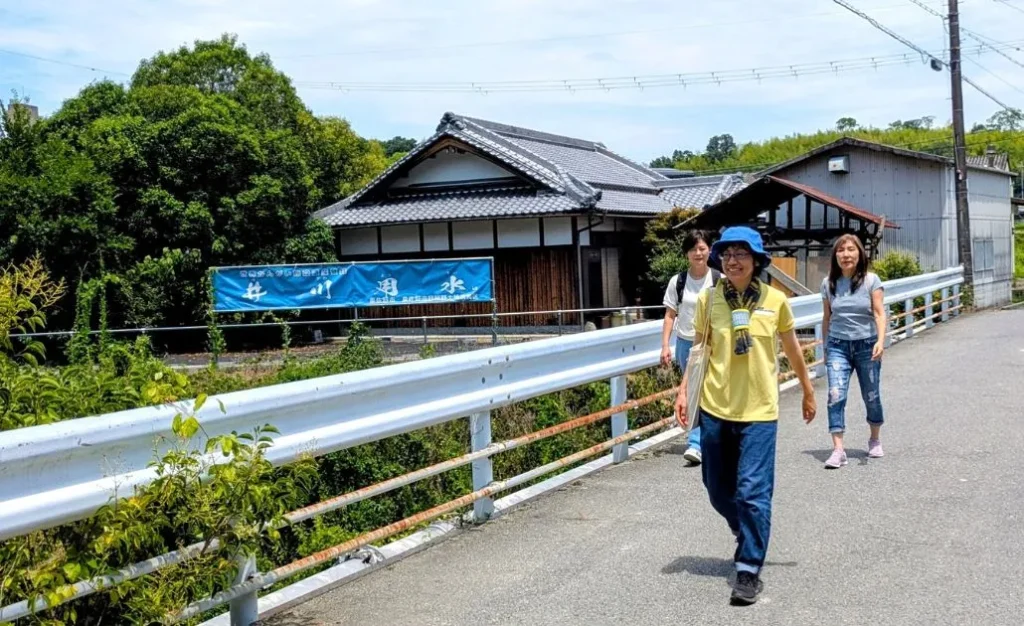
Cross Furukawabashi to the opposite side of the Kashii River.
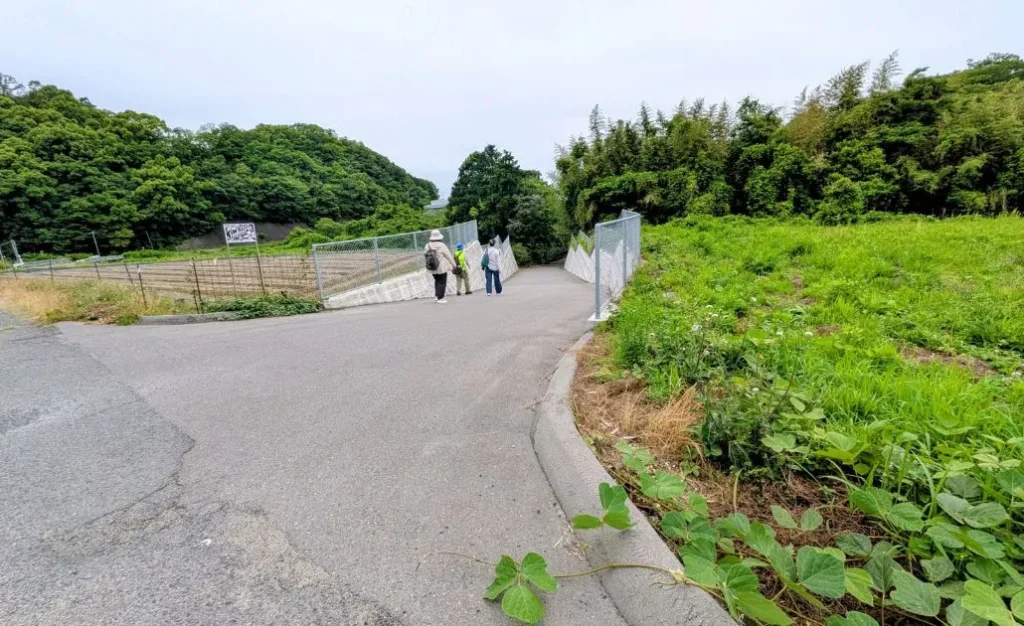
At the fork on the gentle downhill slope, turn right.
Take a leisurely walk along the Yukawa Irrigation Canal.
As the canal flows through the local neighborhood, enjoy a glimpse of everyday life in Izumisano.
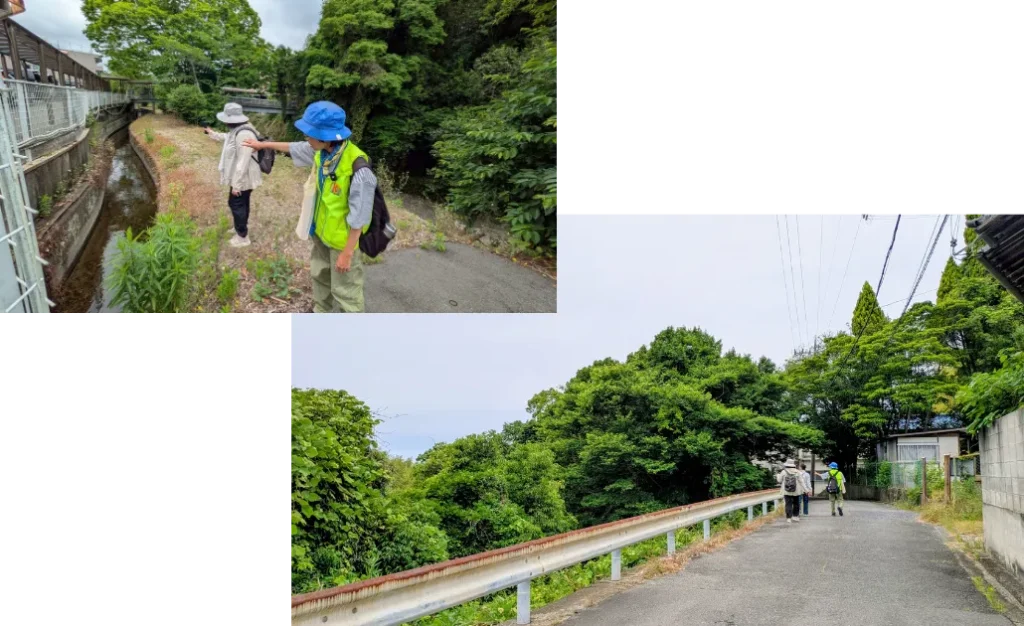
The Yukawa Irrigation Canal in Oiseki Park
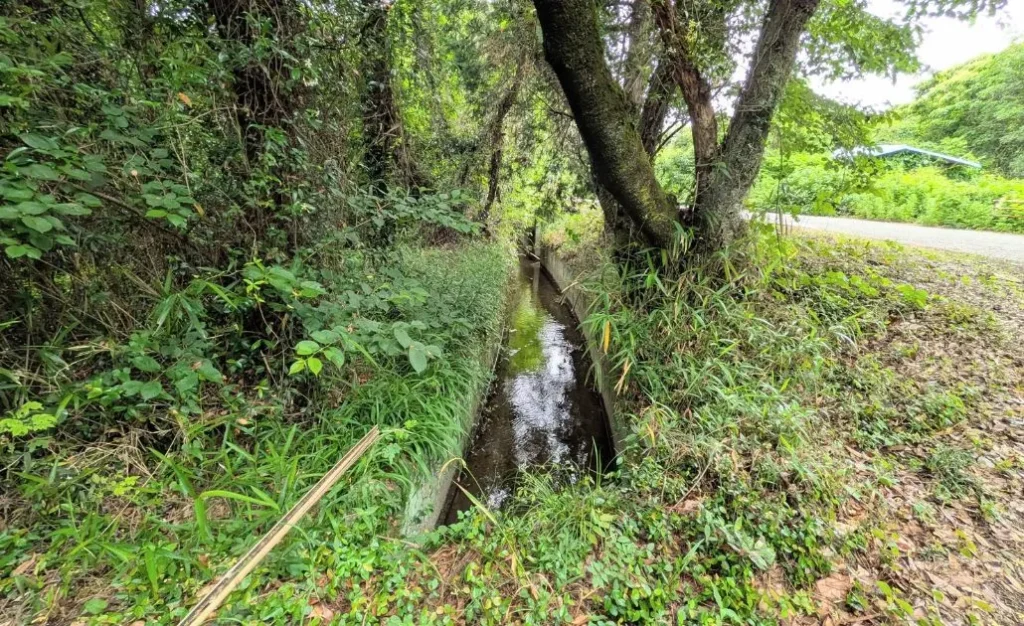

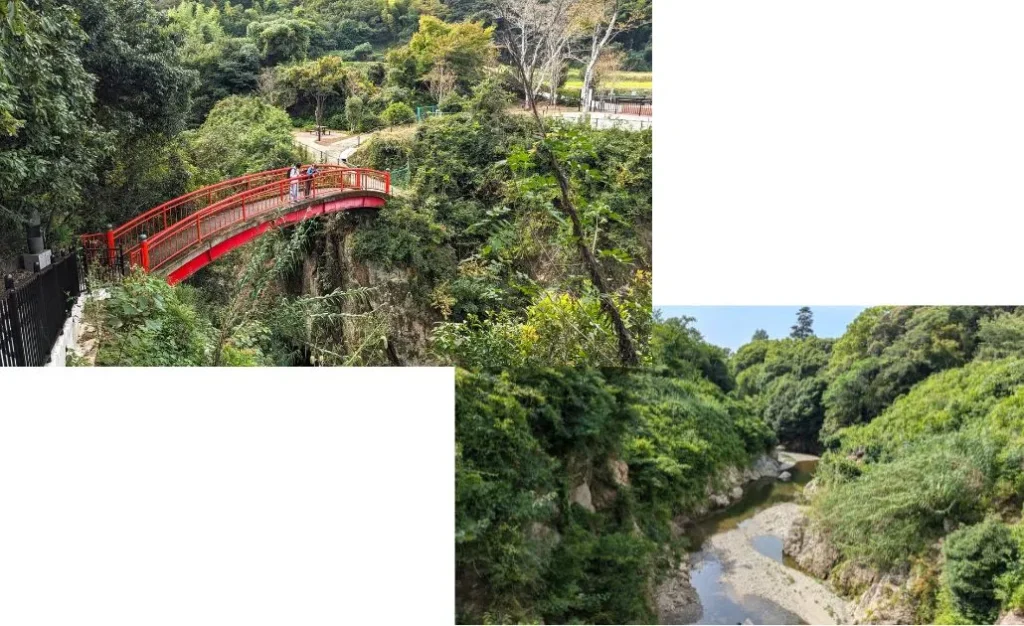
Oiseki Park (Roji Gorge)
Selected as one of Osaka’s 100 Best Green Spaces, Oiseki Park features striking rock formations, a clear stream, and a picturesque red bridge. In spring, it is also a popular spot for cherry blossoms.
Benches and public restrooms are available, making the park a convenient place to take a break during your walk.
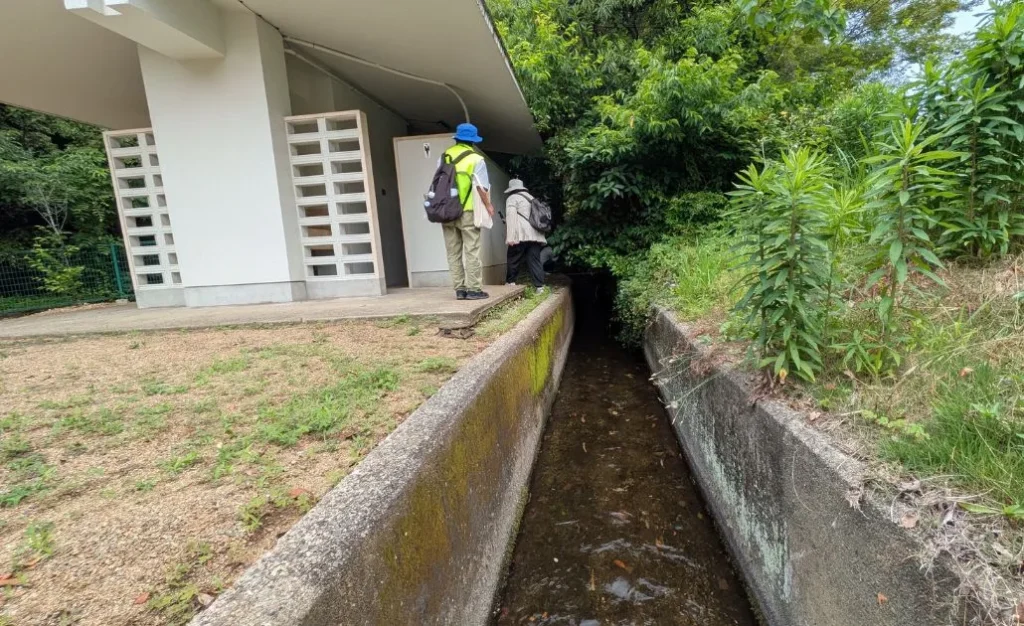
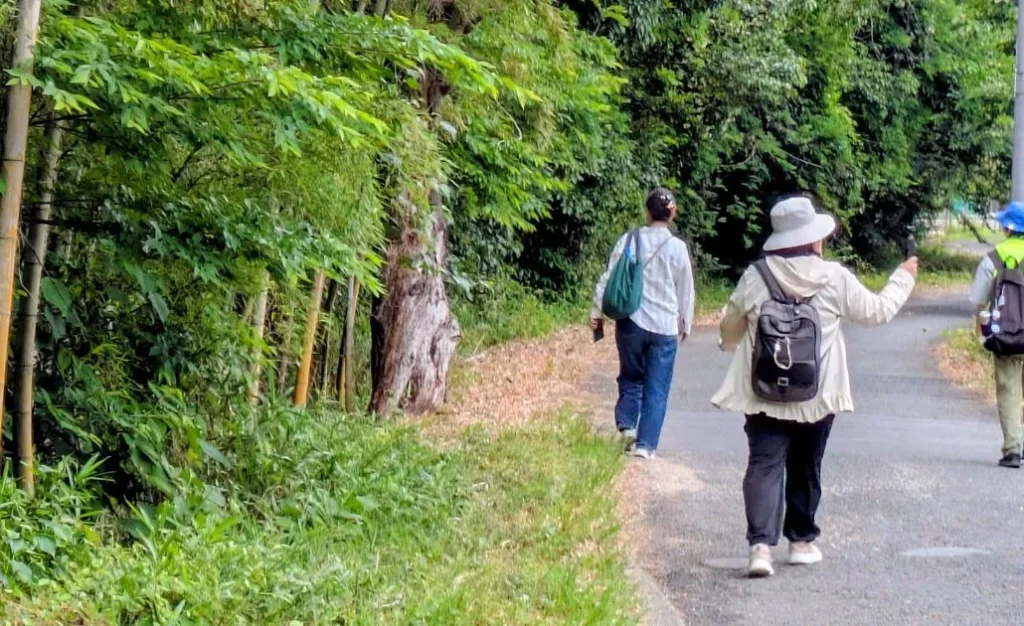
After a short break, follow the Yukawa Irrigation Canal behind the public restrooms toward Hine Shrine. Follow the quiet, tree-lined path.
Approx. 5-minute walk
Hine Shrine
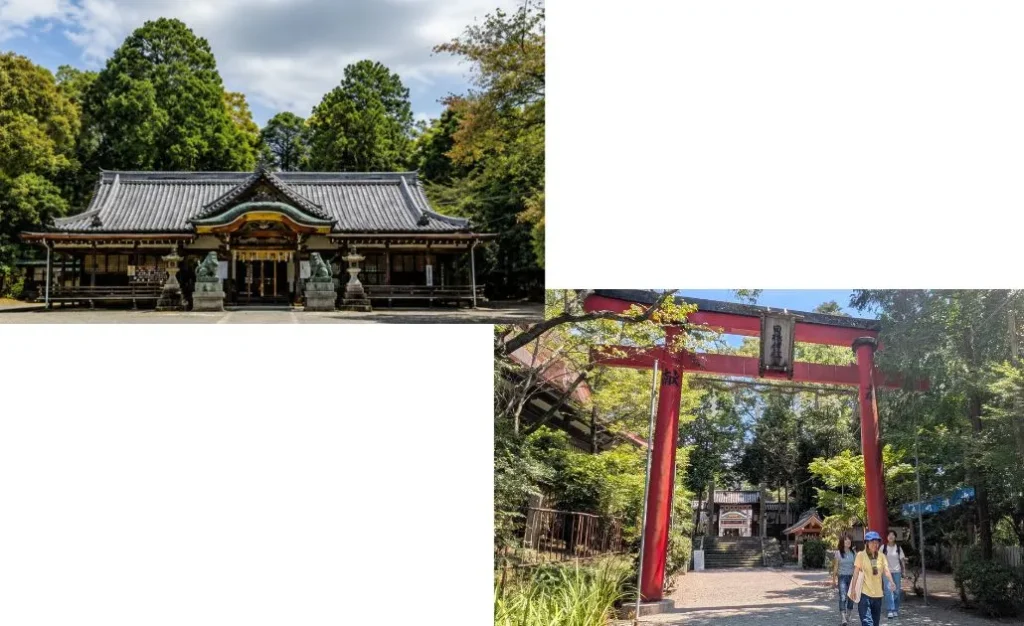
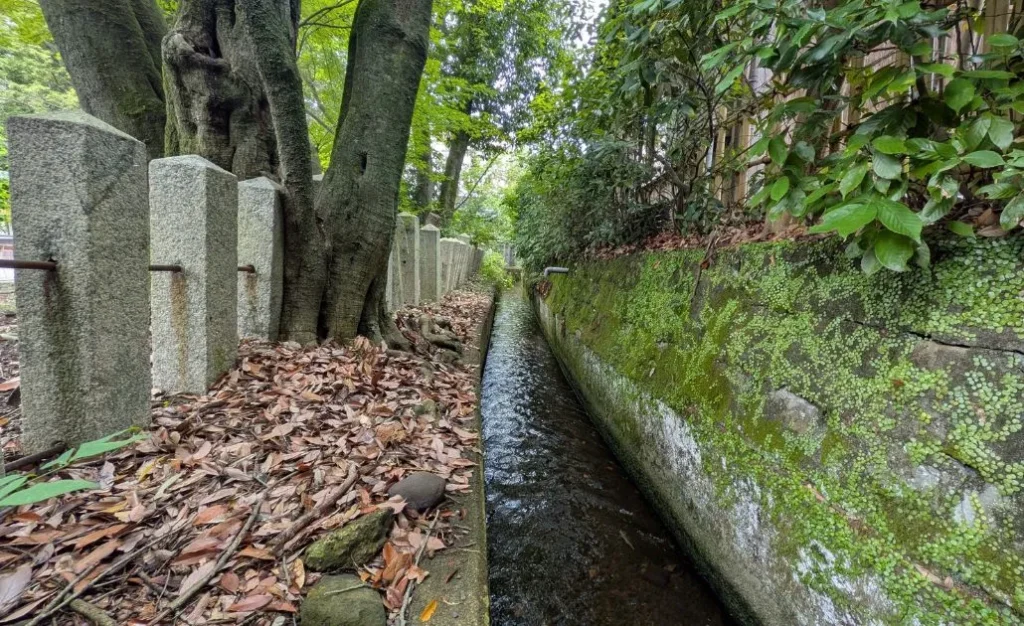
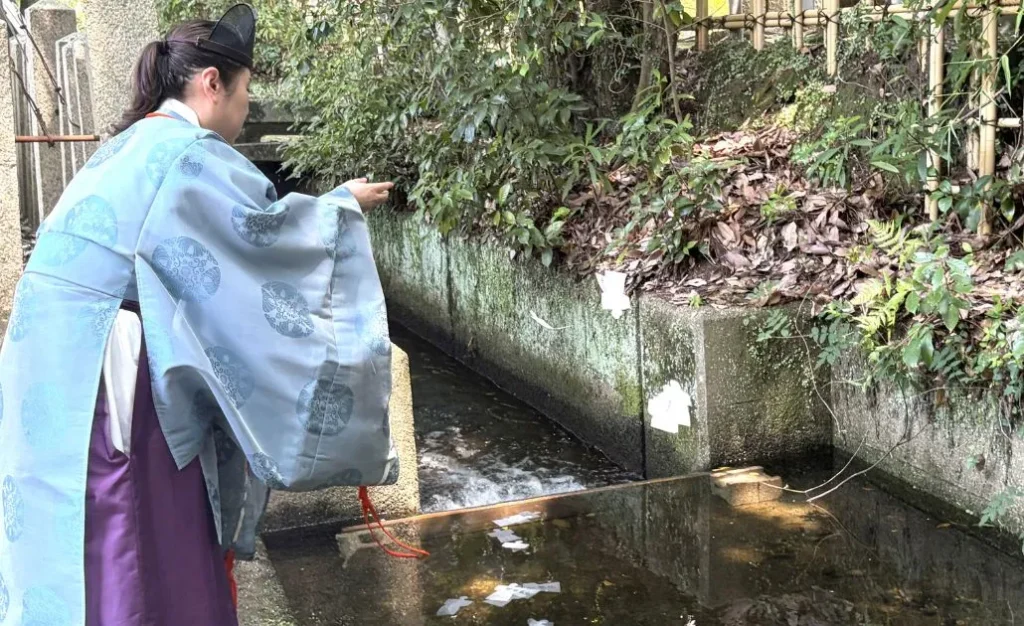
Hine Shrine is home to cultural properties that are part of Japan Heritage. Also known as “Oiseki Daimyojin,” the shrine has long been closely connected with the Oi Weir and the Yukawa Irrigation Canal, which flows through its grounds.
Every July, the Yu Matsuri Festival is held to give thanks for the blessings of water and to pray for a good harvest and good health.
👆 Local Highlight
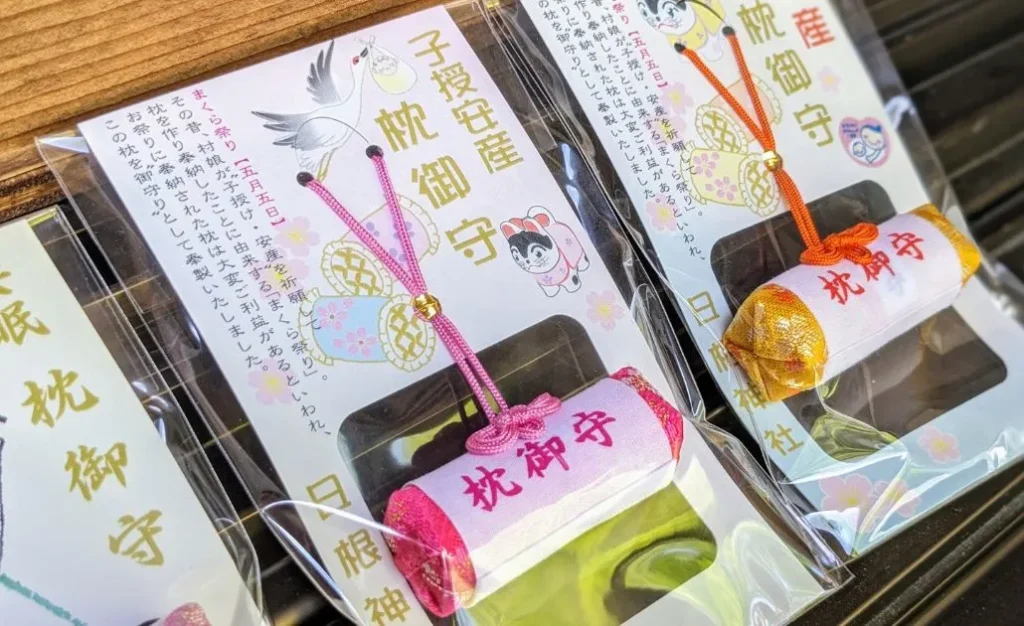
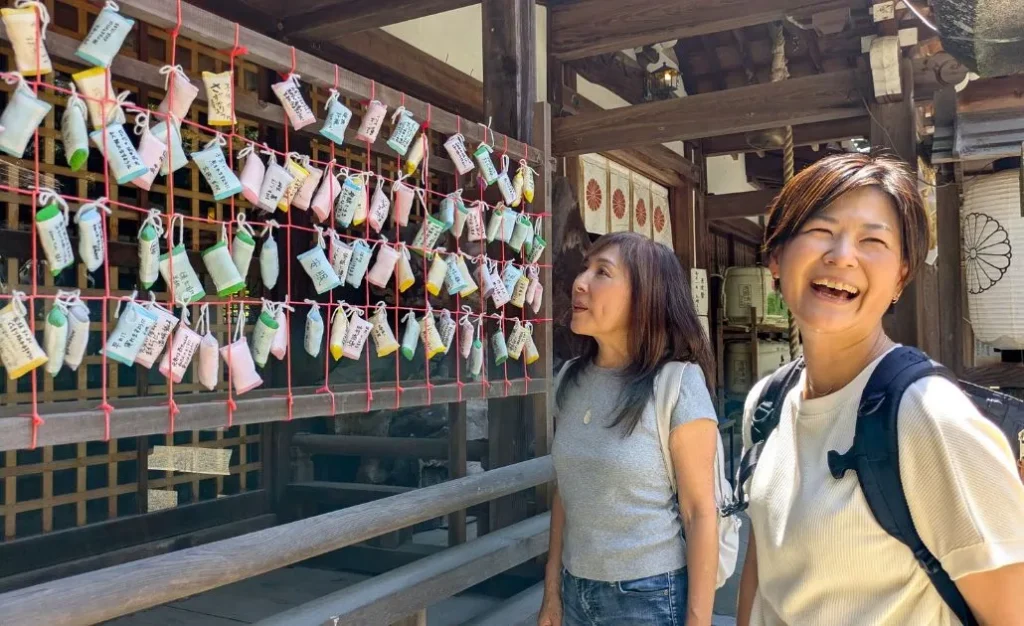
The shrine is known for its Makura Mamori, an amulet for restful sleep, as well as pillow-shaped ema (wooden prayer plaques).
DATA
Hine Shrine
Address: 631 Hineno, Izumisano, Osaka
TEL: 072-467-1162(Japanese Only)
Visiting Hours: 9:00–16:00
View Details
Hine Shrine
Address: 631 Hineno, Izumisano, Osaka
TEL: 072-467-1162(Japanese Only)
Visiting Hours: 9:00–16:00
View Details
Approx. 1-minute walk
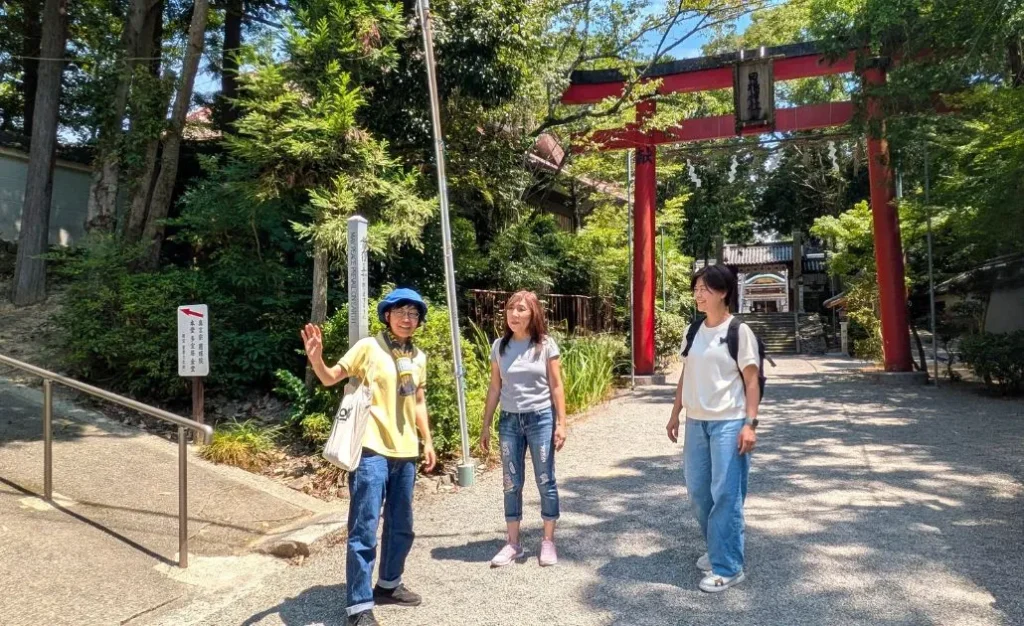
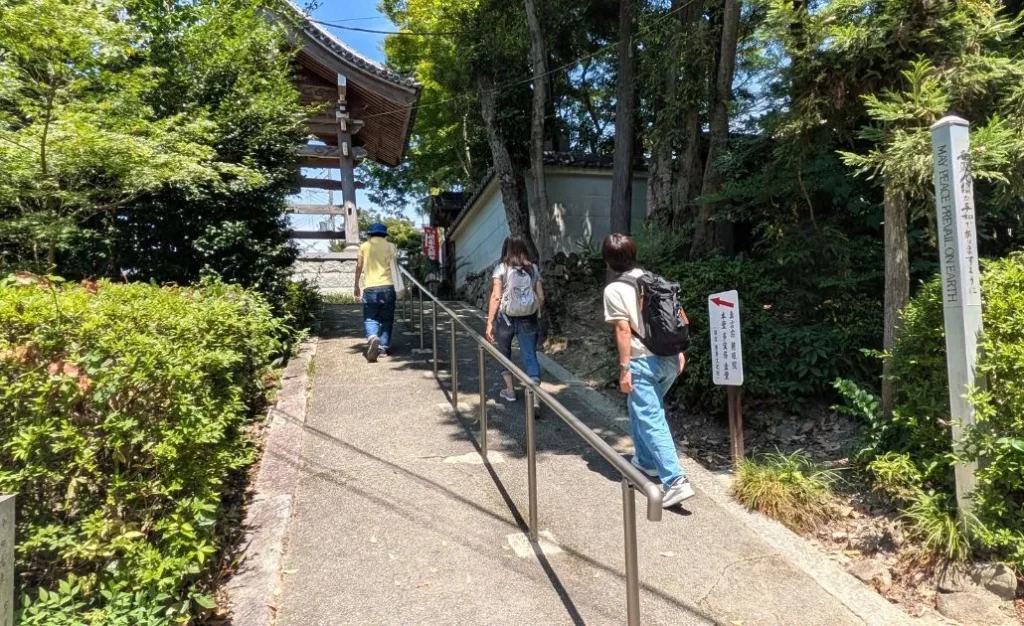
Jigen-in Temple is about a 1-minute walk from Hine Shrine.
Standing side by side, the shrine and temple reflect a long history of Shinto and Buddhism being practiced together in Japan.
Jigen-in Temple
The Yukawa Irrigation Canal also flows through the grounds of Jigen-in Temple, showing how the canal has long been connected to agriculture, local life, and religious traditions.
Along the Yukawa Irrigation Canal, which flows through the temple grounds, you can see stone embankments built to protect the banks of the waterway.
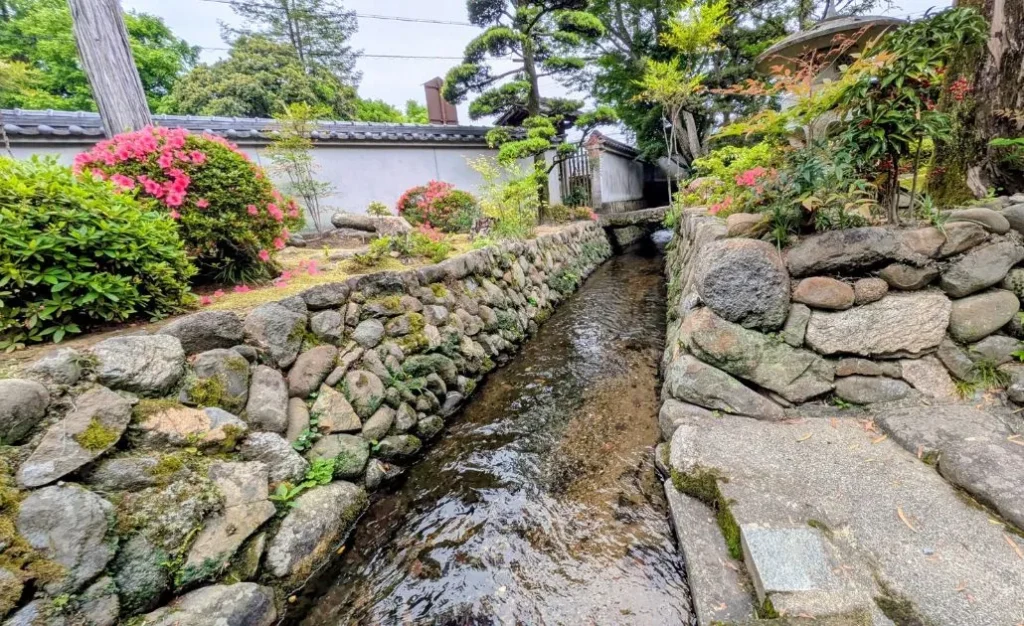
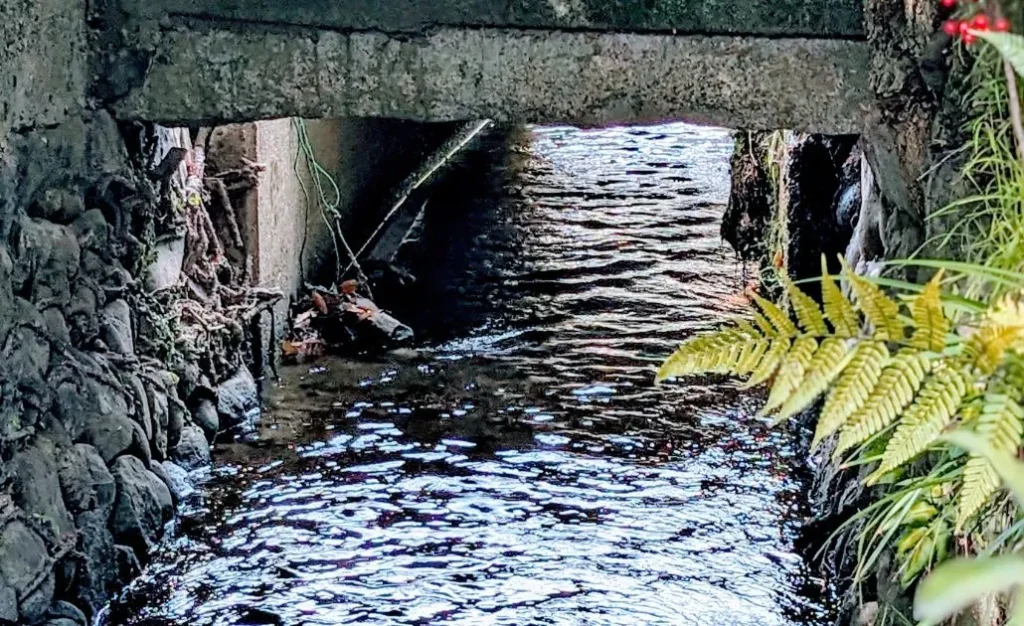
Jigen-in is the oldest temple in the Senshu area and was founded by order of Emperor Tenmu.
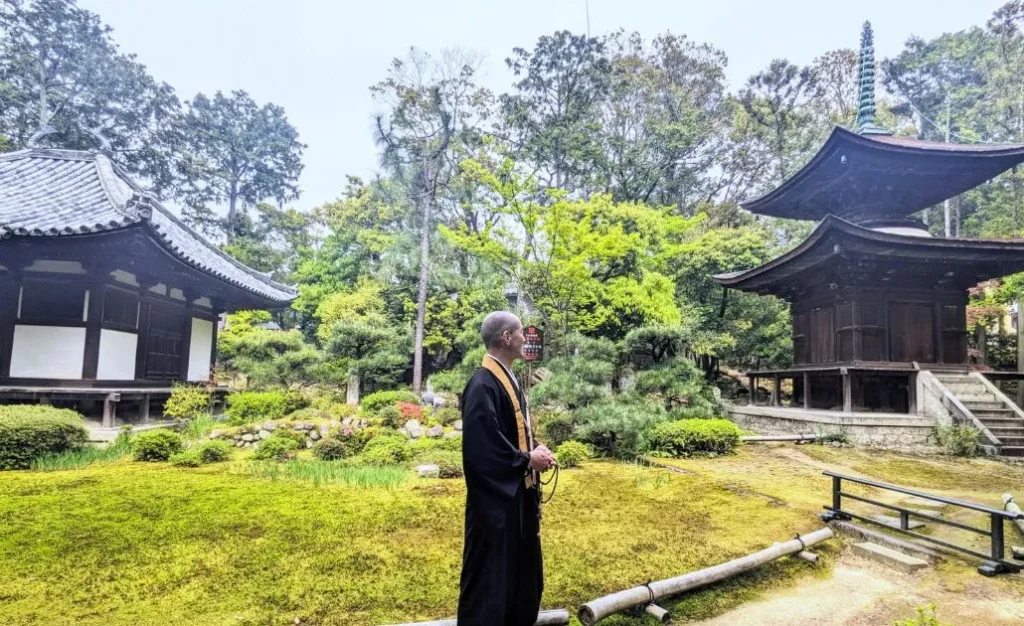
It is home to the Tahoto Pagoda, the only National Treasure in Izumisano.
Begin at the main hall, then take time to explore the historic temple grounds. Highlights include the National Treasure Tahoto Pagoda and the Kondo Hall, designated an Important Cultural Property of Japan.
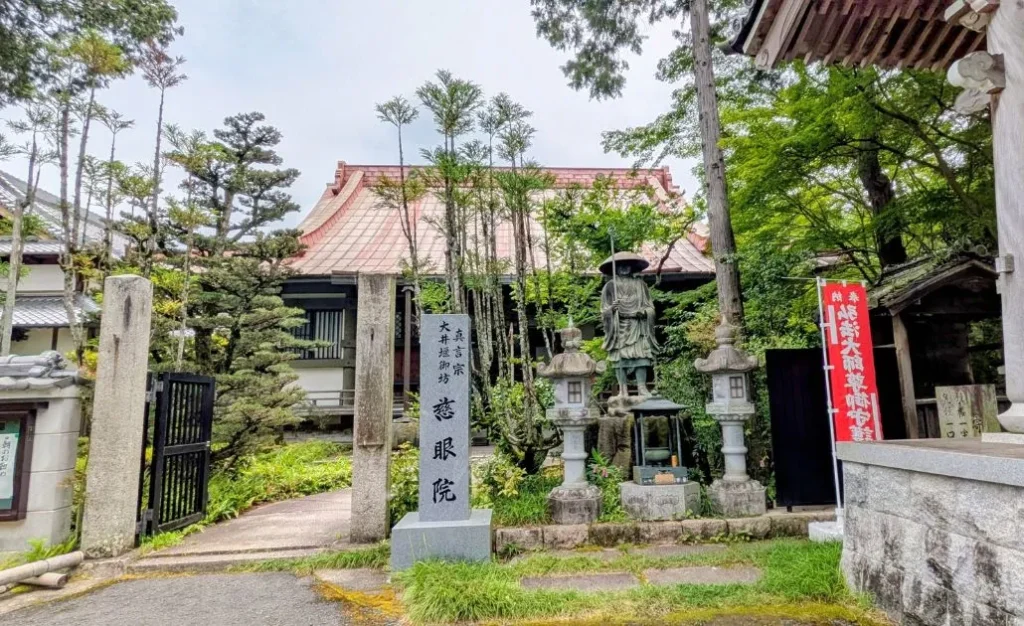
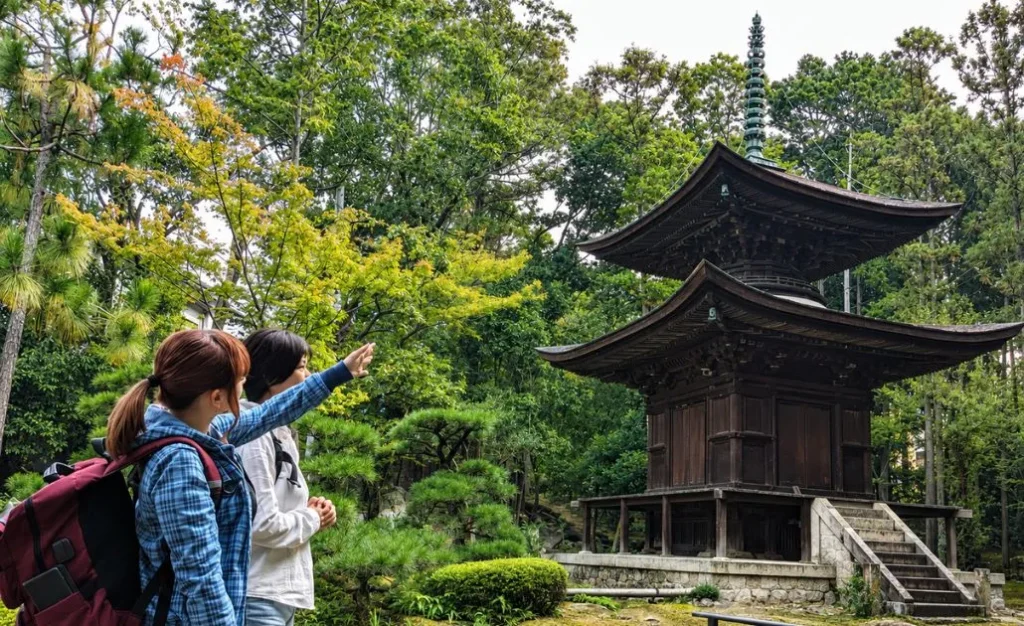
At the main hall, you can offer incense while making a personal wish or prayer.
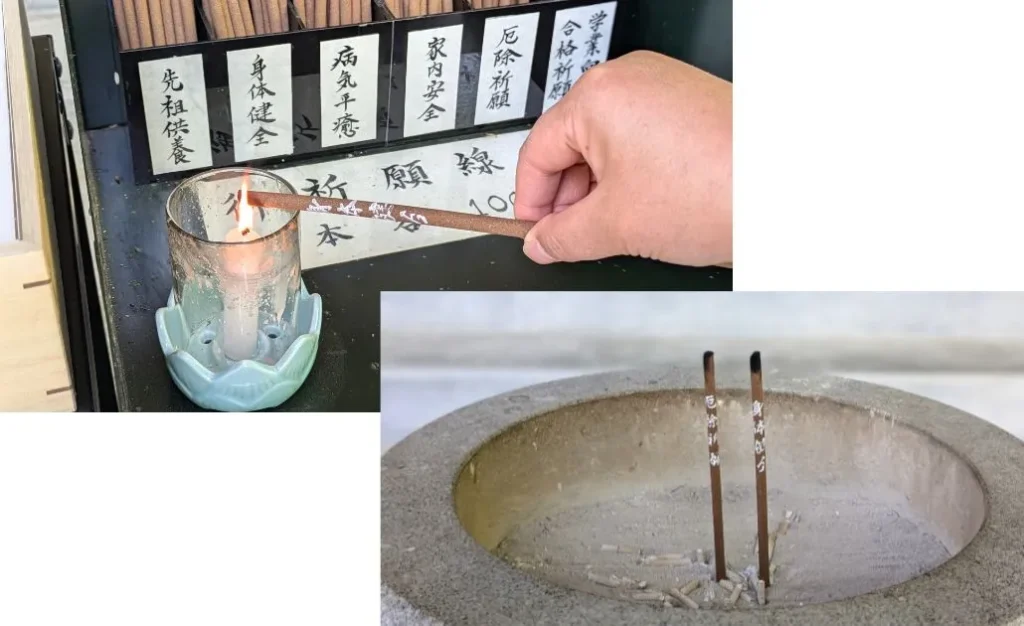
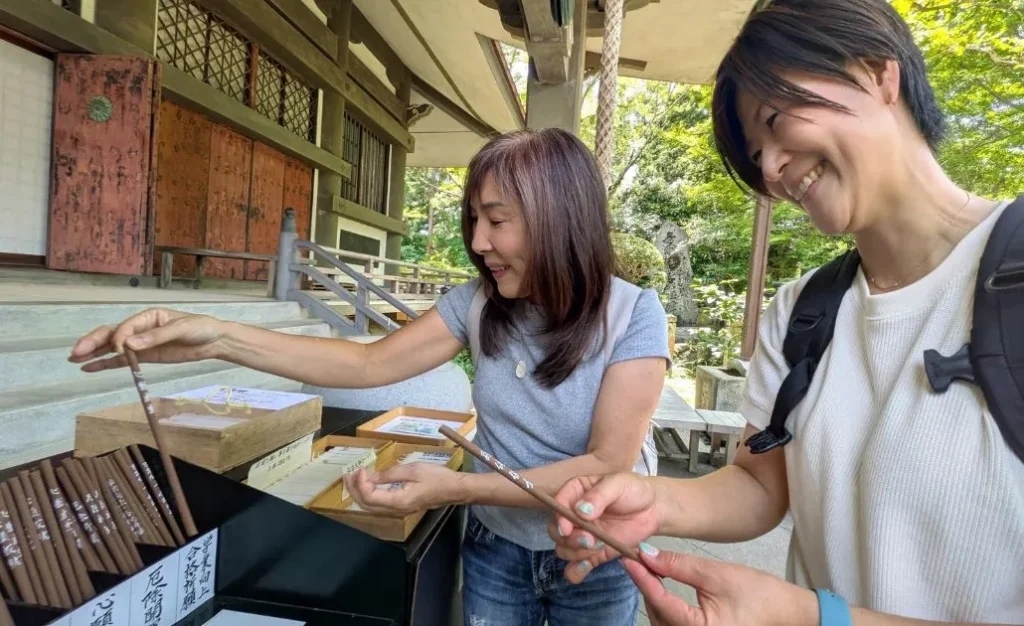
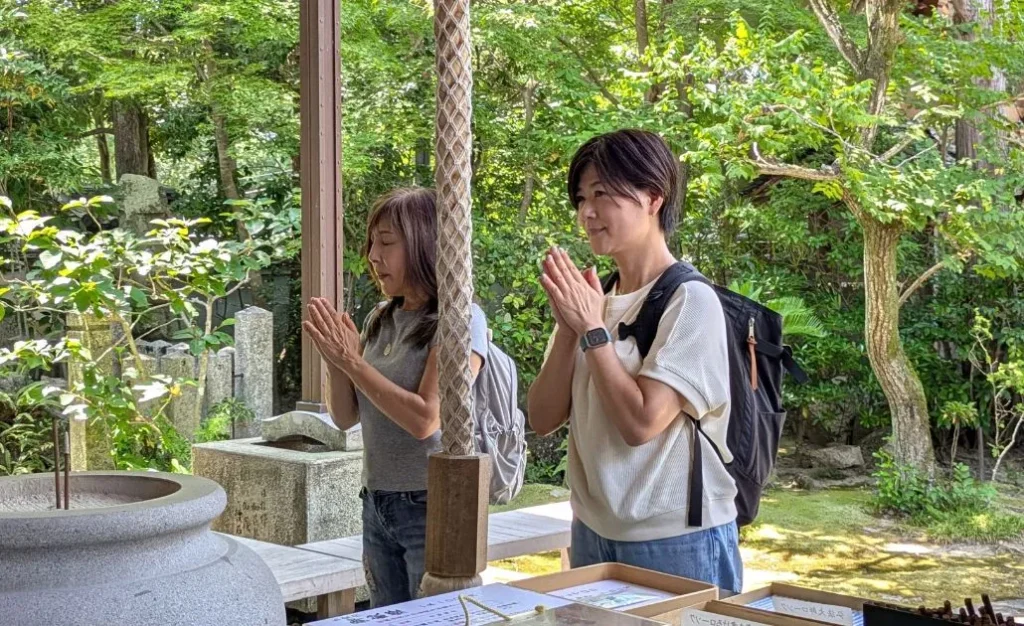
👆 Local Highlight
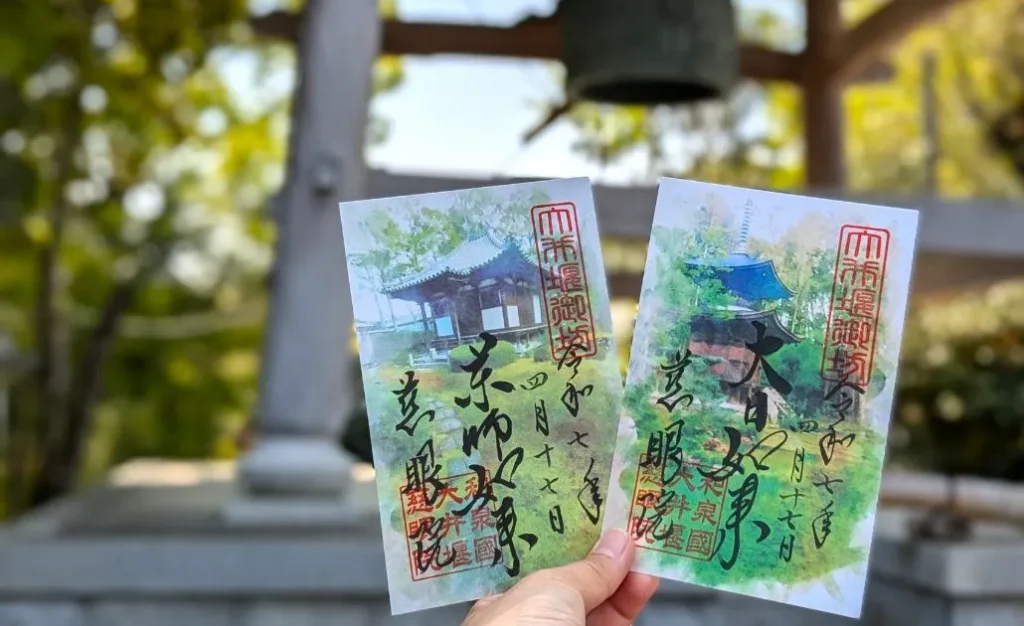
You can also find goshuin (temple seal stamps) featuring the National Treasure Tahoto Pagoda and the Important Cultural Property Kondo Hall. Omamori (amulets) are also available, featuring the auspicious Shippo-tsunagi pattern, a traditional Japanese design of interlocking circles.
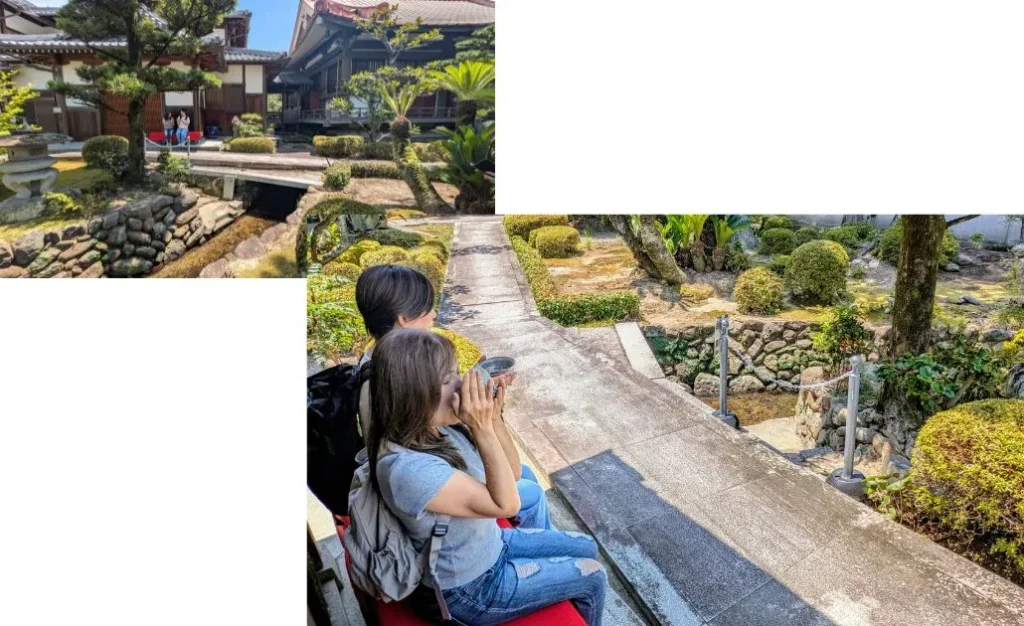
With advance reservation, you can also enjoy matcha green tea and take a quiet break in the temple grounds.
※ Some experiences and temple visits may require advance reservation.
You can also find goshuin (temple seal stamps) featuring the National Treasure Tahoto Pagoda and the Important Cultural Property Kondo Hall. Omamori (amulets) are also available, featuring the auspicious Shippo-tsunagi pattern, a traditional Japanese design of interlocking circles.
With advance reservation, you can also enjoy matcha green tea and take a quiet break in the temple grounds.
※ Some experiences and temple visits may require advance reservation.
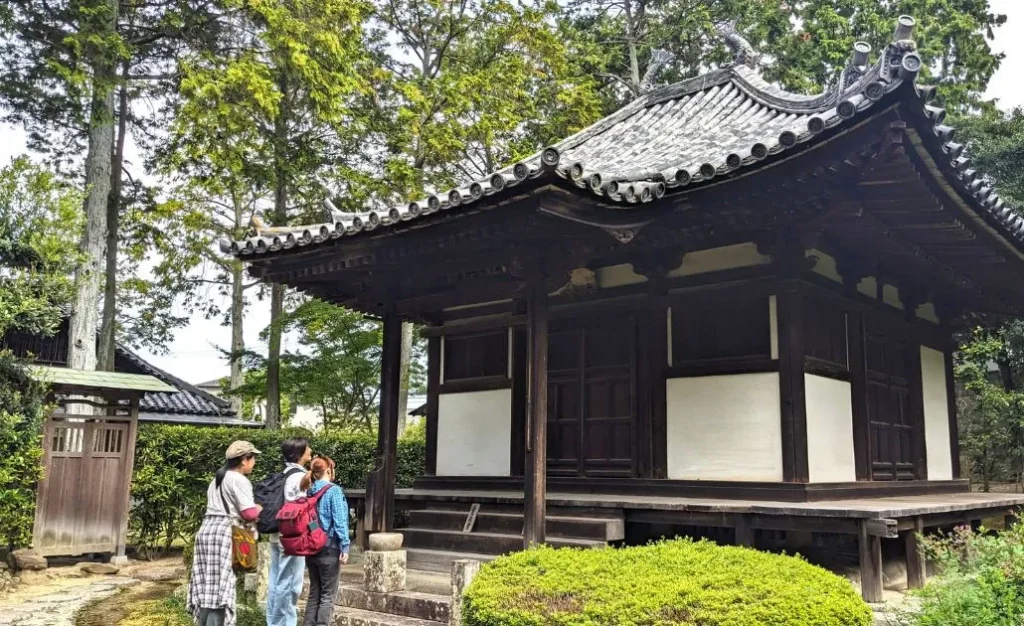
Enjoy matcha in the peaceful temple grounds and experience a moment of Japanese culture.
※ Matcha may not be available on certain dates.
※ Matcha may not be available on certain dates.
DATA Jigen-in Temple
Address: 626 Hineno, Izumisano, Osaka
TEL: 072-467-0092
Visiting Hours: 8:00–16:00
※ Advance reservation is required to view the temple’s cultural properties. Admission: ¥300 per person.
※ Visits may not be available on certain dates due to Buddhist services or other temple activities.
※ Groups may be asked to split into smaller groups for temple viewing.
\Route A Ends Here /
🚌 Higashiueno (Jigen-in-mae) Bus Stop
Route A ends here. From this bus stop, you can return toward JR Hineno Station or Nankai Izumisano Station.
If you have more time, continue on to Route B. Follow the Yukawa Irrigation Canal toward a café in a renovated traditional Japanese house.
Continue along the Yukawa Irrigation Canal through a residential neighborhood.
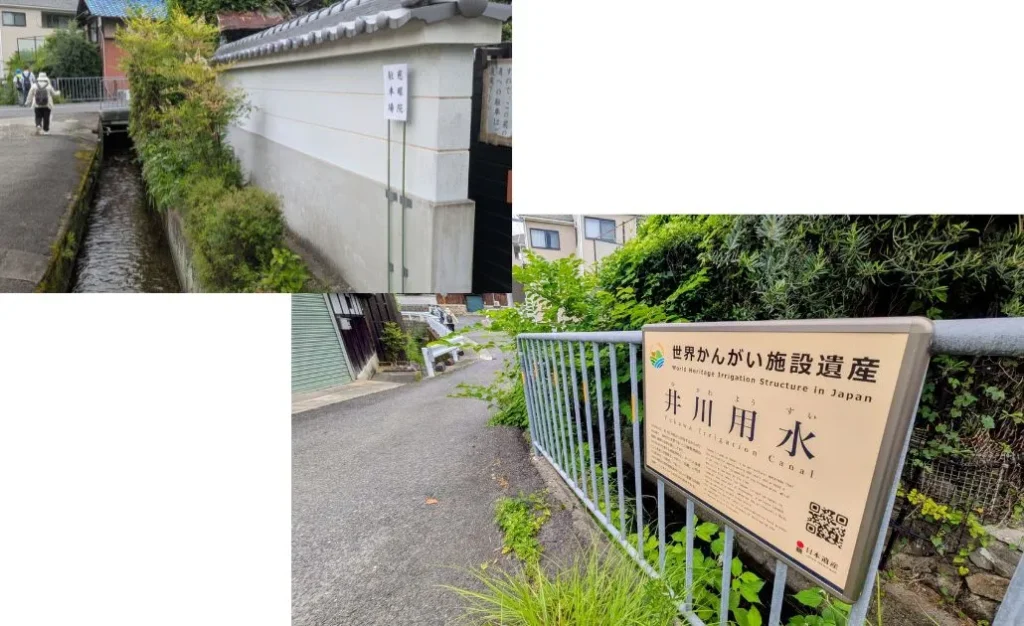
Along the way, you can see the Yukawa Irrigation Canal branching off and joining other waterways. It is still used for agriculture today and carefully maintained by the local community.
Approx. 15-minute walk
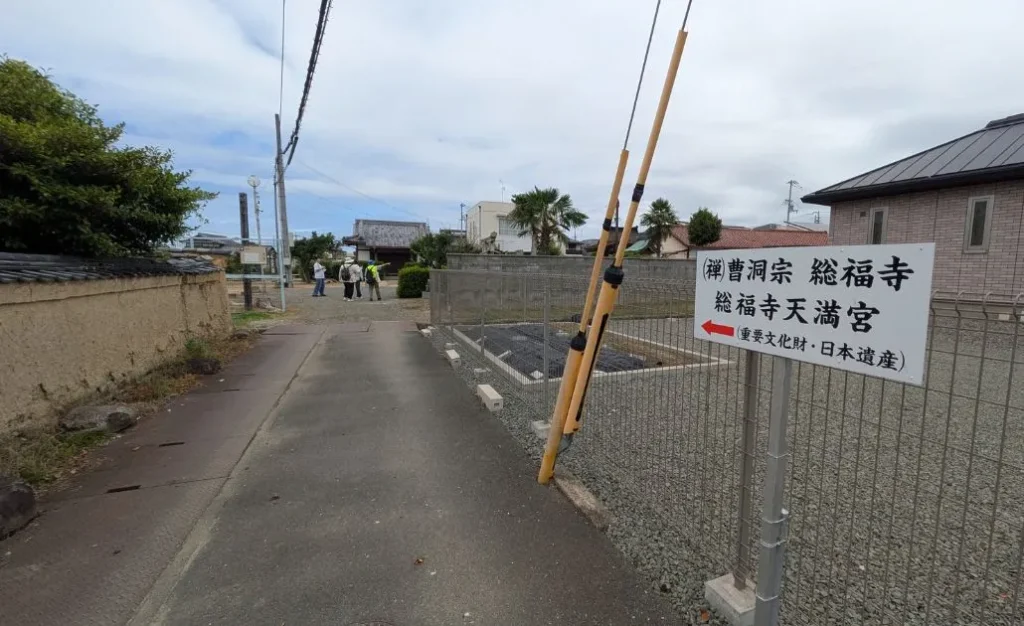
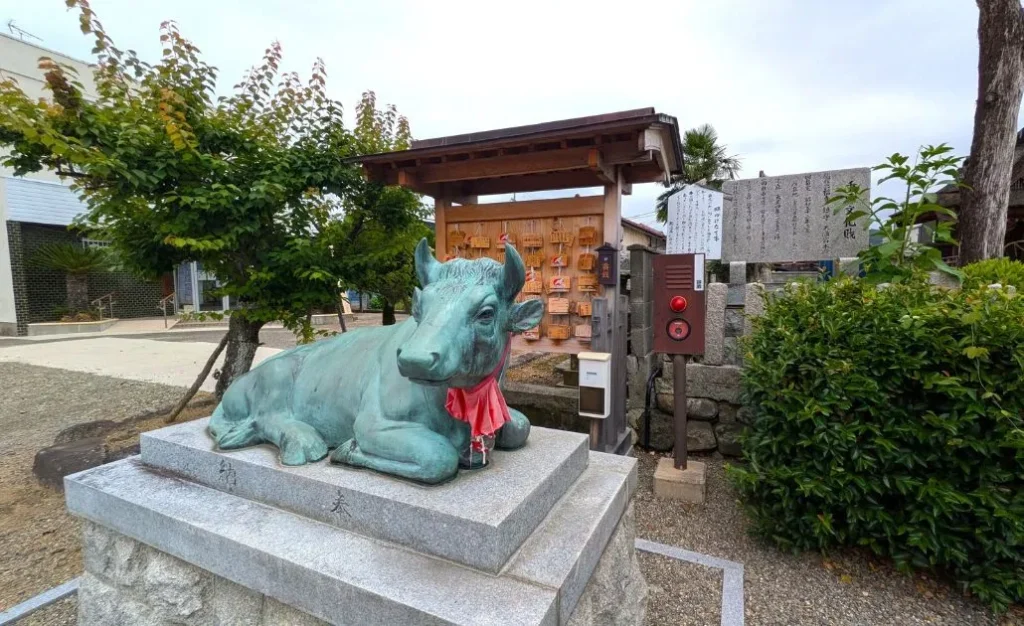
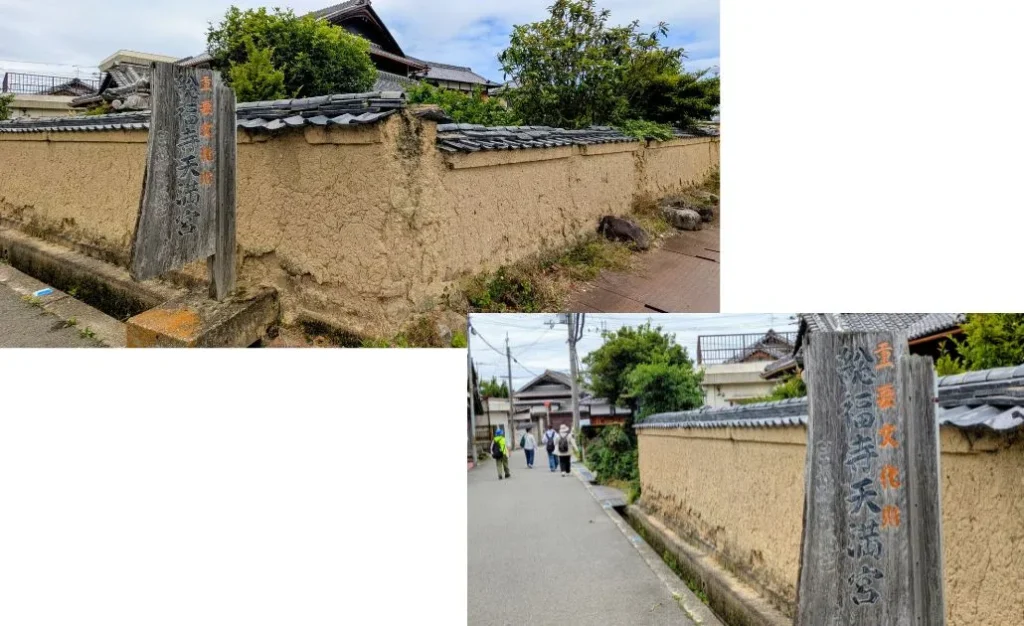
Sofukuji Temple | Tenmangu Shrine Main Hall (Important Cultural Property)
Sofukuji is a historic temple associated with the medieval Hinenosho estate. Within the grounds stands the main hall of Tenmangu Shrine, built during the Momoyama period and designated an Important Cultural Property of Japan.
Traditional earthen walls can still be seen nearby, adding to the historic atmosphere of the neighborhood.
※ Restrooms are available at Sofukuji Temple.
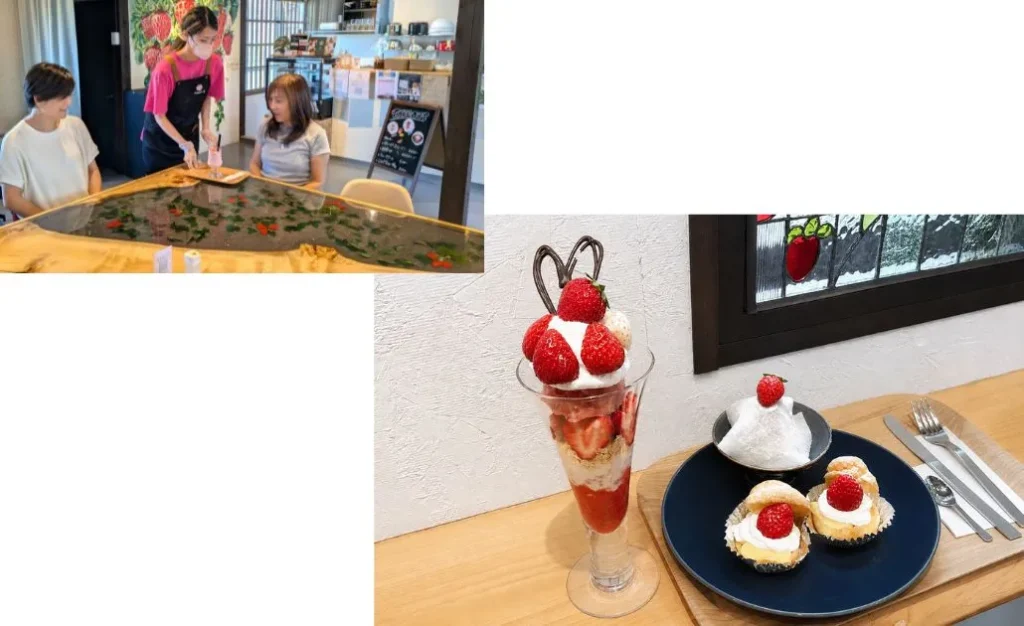
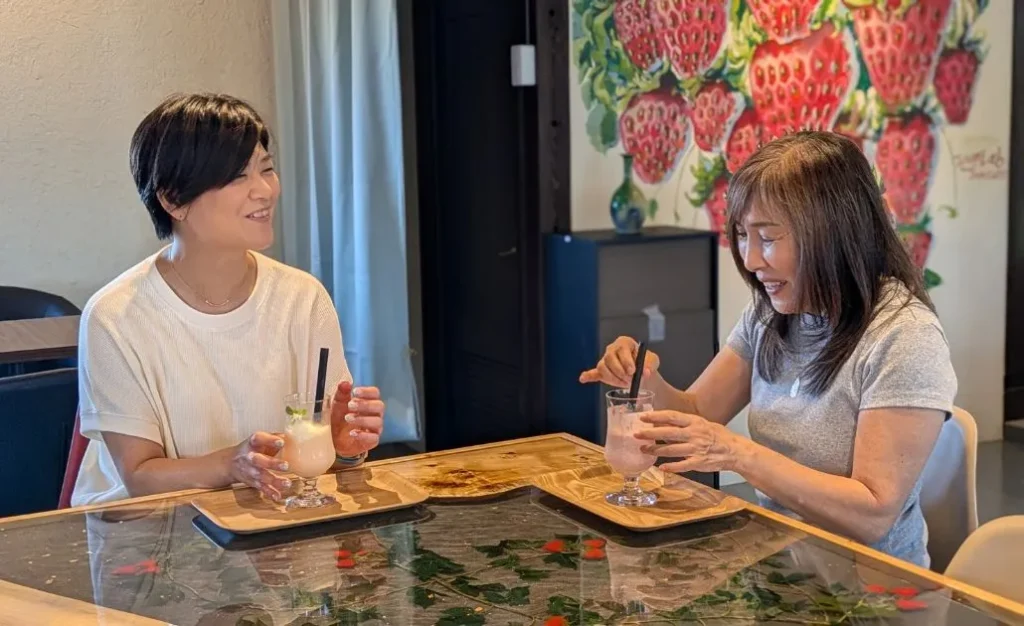
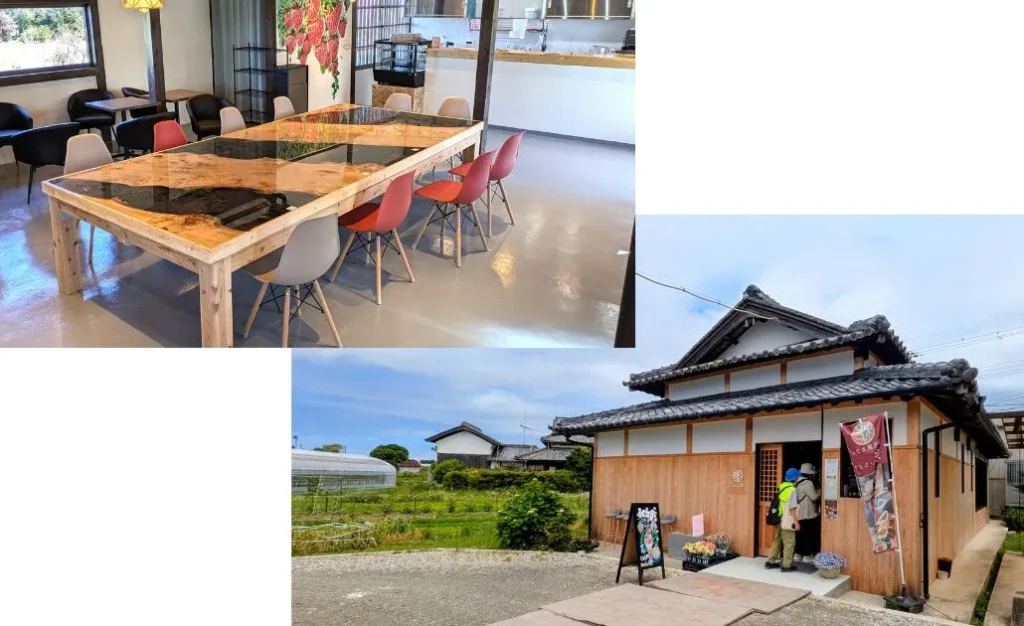
Take a Break at Irodori Café in a Traditional Japanese HouseRun by local strawberry farm IchigoLab_Izumisano, Irodori is a café set in a renovated traditional Japanese house.
Relax and take a break in its warm, nostalgic atmosphere.

DATA
IchigoLab_Izumisano (Irodori Café)
Address: 1369 Hineno, Izumisano, Osaka
TEL: 080-4703-4106
Hours: 9:00–16:00
※ A morning menu is also available until 12:00.
Closed: Mondays, Tuesdays, and Wednesdays
Approx. 2-minute walk
\ Route B Ends Here /
🚌 Kunoki Bus StopRoute B ends here. From this bus stop, you can return toward JR Hineno Station or Nankai Izumisano Station.
If you still have time, continue on to Route C. Walk through the peaceful countryside toward Junidani Pond, the end of the Yukawa Irrigation Canal.
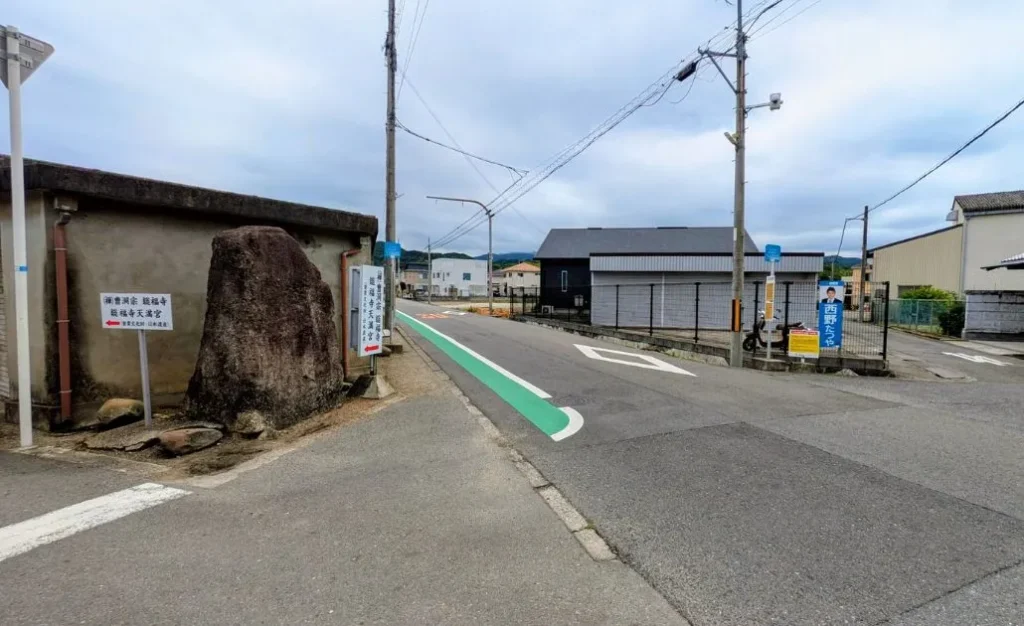
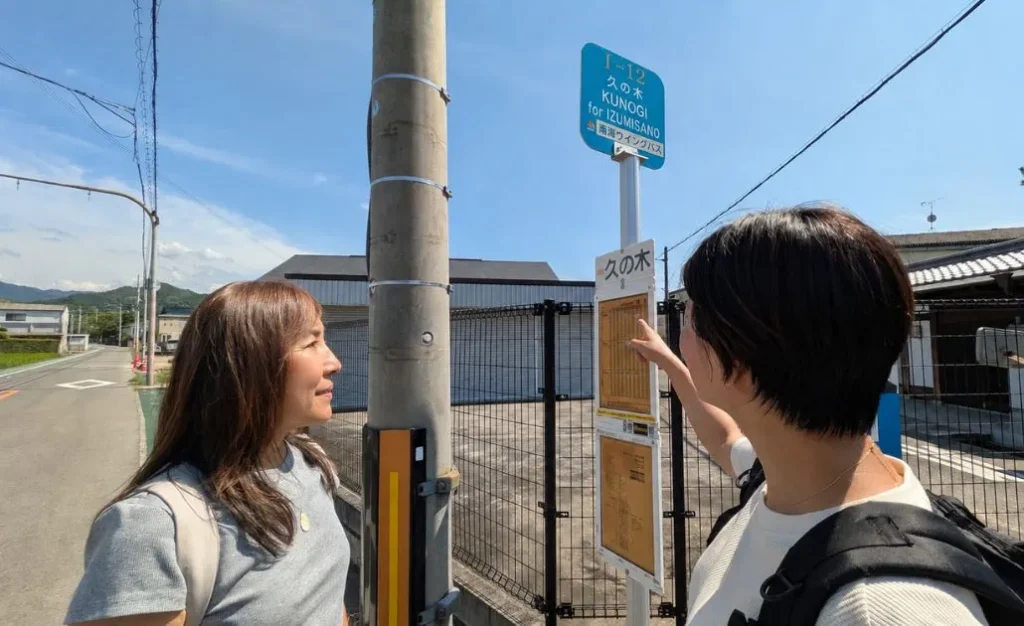
C | Continue to the End of the Yukawa Irrigation Canal
Approx. 4 km | Approx. 1 hour 20 minutes on foot
If you have enough time, continue on to the final section of the route.
After a break at Irodori Café, set off again.
Walk through residential neighborhoods and the peaceful countryside toward Junidani Pond, the end of the Yukawa Irrigation Canal.
※ Route C passes through residential areas and local roads, so walking with a local volunteer guide is recommended.
Rice-Field Path
Walk through peaceful countryside, with young green rice plants in early summer and golden rice fields in autumn. In the distance, you can see nearby mountains such as Ameyama and Tsuchimaruyama.
Approx. 10-minute walk
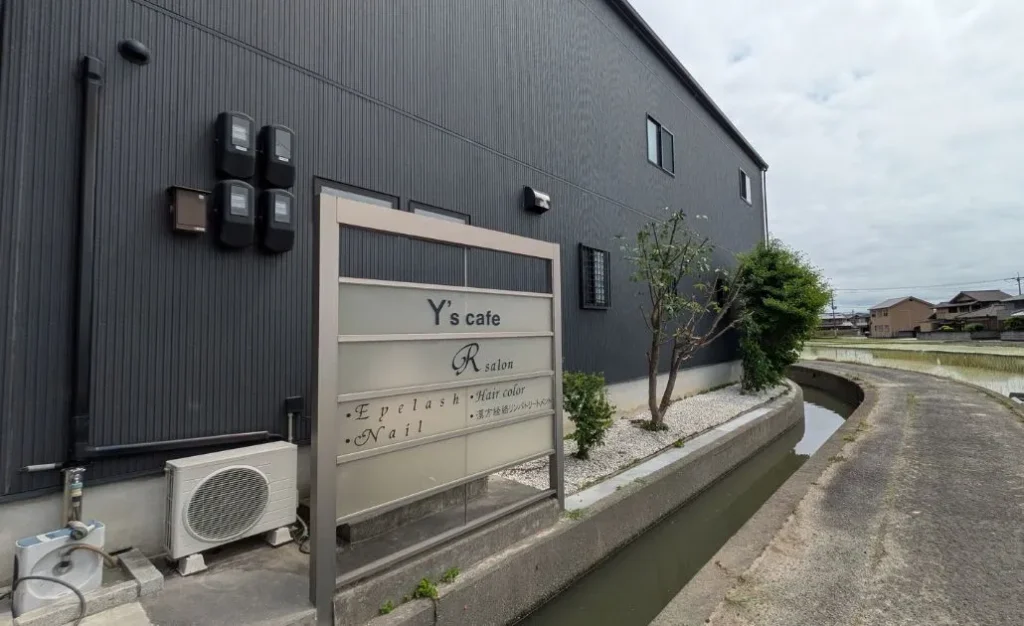
The Yukawa Irrigation Canal flows around Y’s Cafe, creating a unique setting.
👆 Local Highlight
If you have time, Y’s Cafe is a nice place to stop for lunch or a break along the route.
※ The entrance is located at the back of the building.
Approx. 10-minute walk
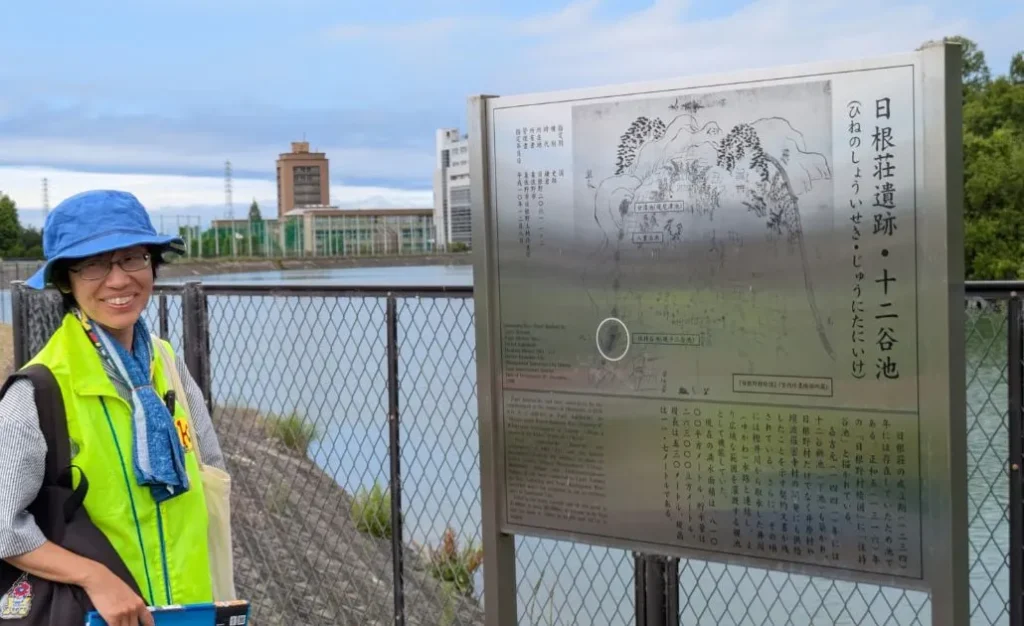
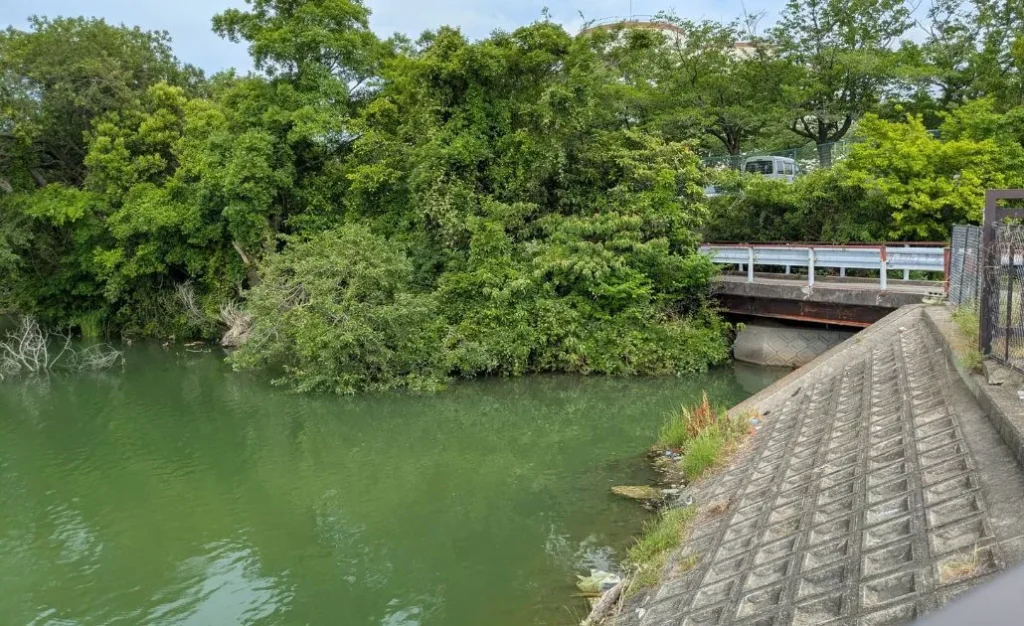
Junidani Pond | National Historic Site【Yukawa Irrigation Canal GOAL】
You have reached the end of the Yukawa Irrigation Canal.
Junidani Pond is the final destination of the water you have followed from Tsuchimaru. For around 800 years, this historic reservoir has supplied water to local fields and supported the surrounding community.
It remains an important source of agricultural water today.
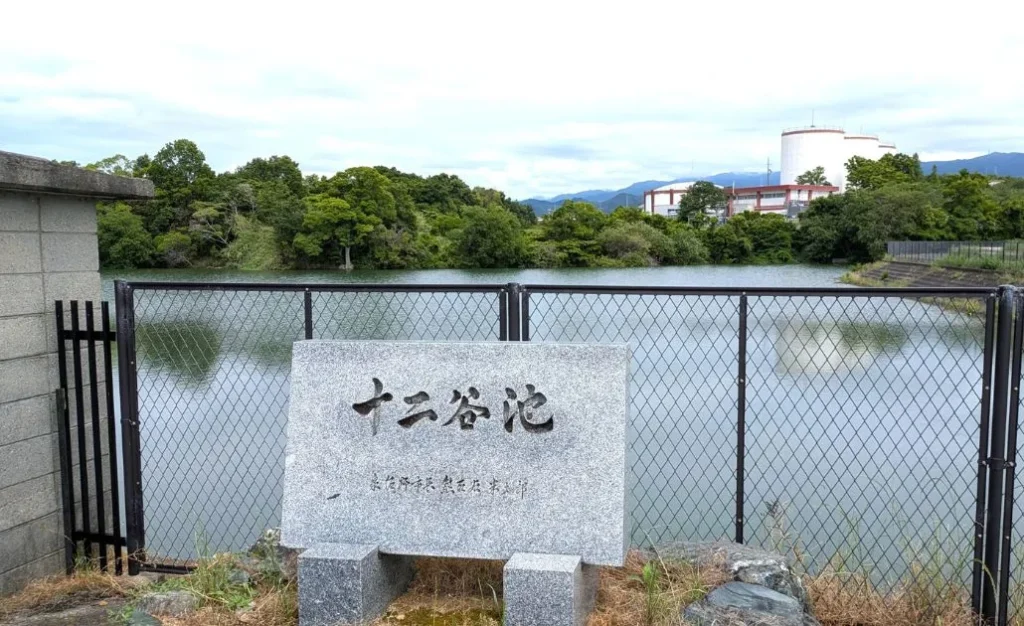
Approx. 20-minute walk from Junidani Pond to JR Hineno Station.
JR Hineno Station
To return to Nankai Izumisano Station, take a bus from Hineno Station.
If traveling by train, take the JR line to Rinku Town Station, then transfer to the Nankai Line to Izumisano Station.
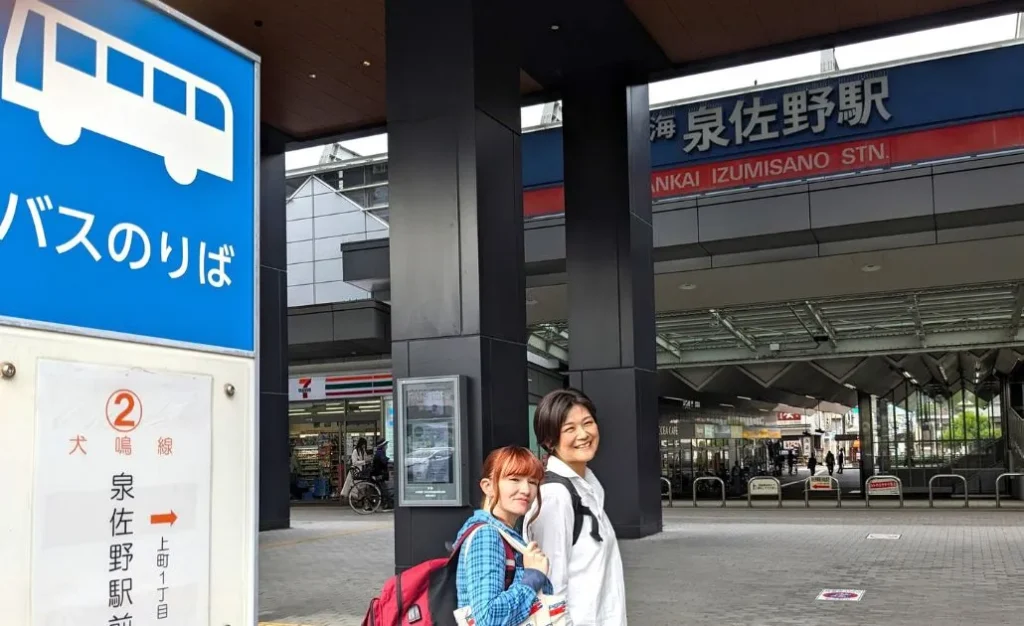
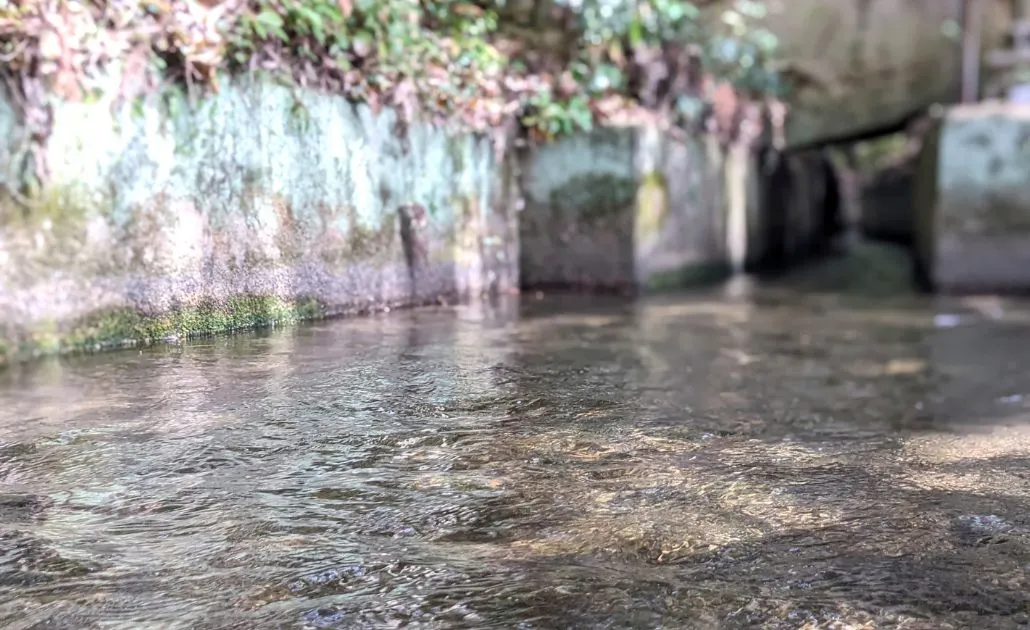
For around 800 years, the Yukawa Irrigation Canal has carried water through this land.
By following the water from its intake, you’ll encounter shrines, temples, local neighborhoods, and peaceful countryside—each revealing how water has shaped life in Izumisano over the centuries.
Walk at your own pace and choose the route that best fits your schedule. Experience this Heritage Irrigation Structure for yourself, one step at a time.
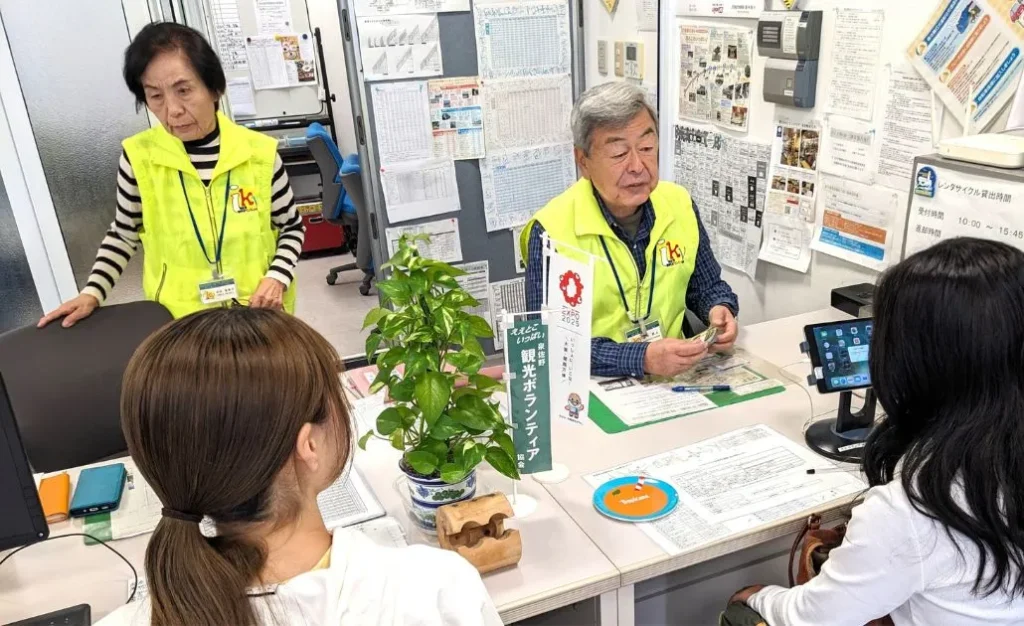
【Explore with a Local Guide】
👆Izumisano City Tourism Information Center(Operated by the Izumisano Tourism Volunteer Association)
This walking route was developed in collaboration with the Izumisano Tourism Volunteer Association.
Walking with a local guide offers deeper insight into the history of the Yukawa Irrigation Canal, local stories, and how the waterway has supported life in the community.
※ Guided tours are available in Japanese only.
※ Advance reservation required. Please arrange the meeting place and time when booking.
※ Please book at least one week in advance.
For guided tours in English or Chinese, a separate guide can be arranged. Additional fees apply.
📌 View Foreign-Language Guide Information
If you require an English interpreter-guide, arrangements can be made separately through the Izumisano Area Interpreter-Guide Association, and an additional fee will apply.
DATA
📌 Izumisano City Tourism Information Center
(Operated by the Izumisano Tourism Volunteer Association)
Address: 3-11-47 Uemachi, Izumisano, Osaka
(Just outside the East Exit of Nankai Izumisano Station, on the rotary side)
TEL: 072-458-3901(Japanese Only)
Hours: 10:00–16:00
Volunteer Guide Contribution Fee:
Up to 5 people: ¥1,000 per group
Up to 10 people: ¥2,000 per group
More than 10 people: ¥200 per person
※ Please book at least one week in advance.
📌 Izumisano Area Guide Association
■ Official Website https://guide-izumisano.jp/
■ Rates https://guide-izumisano.jp/l-tarif-jp/
Walk the 800-Year-Old Yukawa Irrigation Canal in Izumisano | Japan Heritage
Model Course | Walk along the 800-year-old Yukawa Irrigation Canal in Izumisano. Explore historic shrines, temples, peaceful countryside, and a traditional Japanese landscape still shaped by water today. |
|---|